A €600 Million Bid to Remake Malta's Medical Landscape
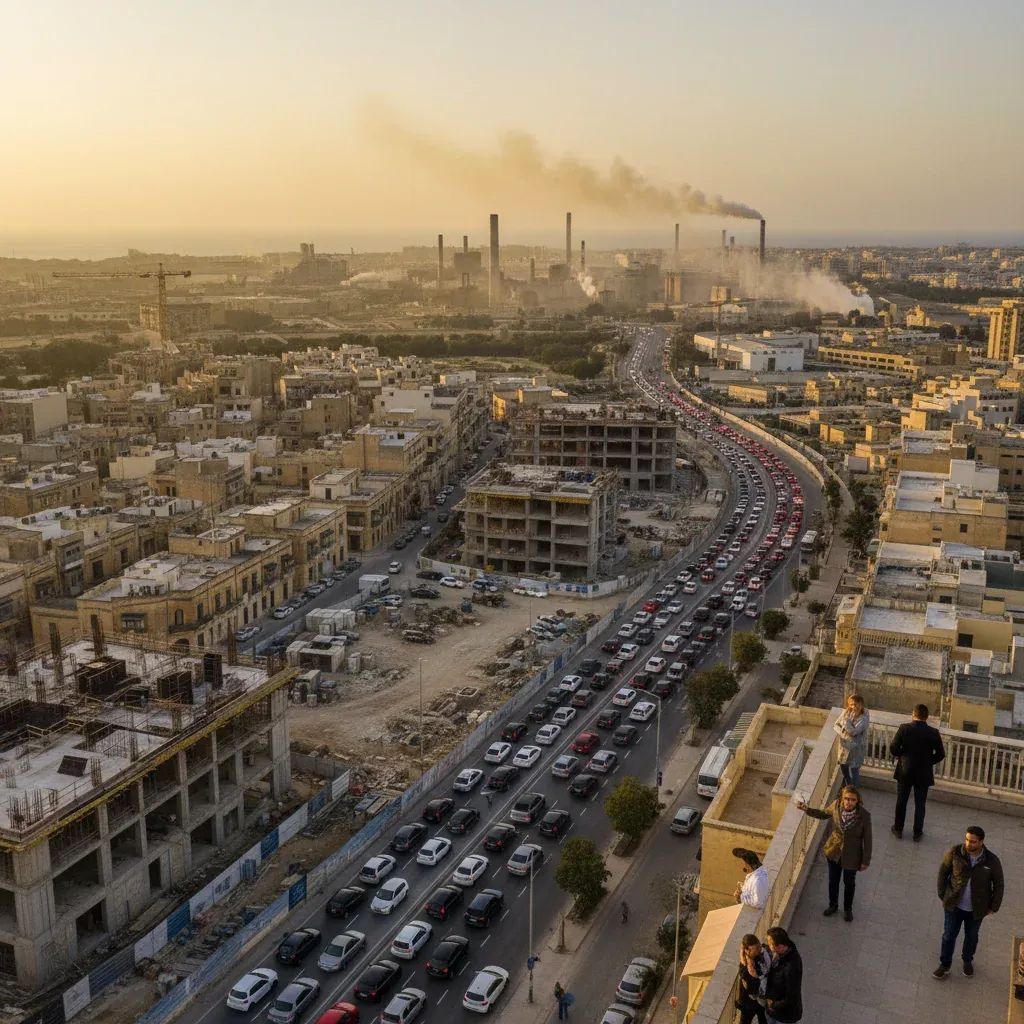
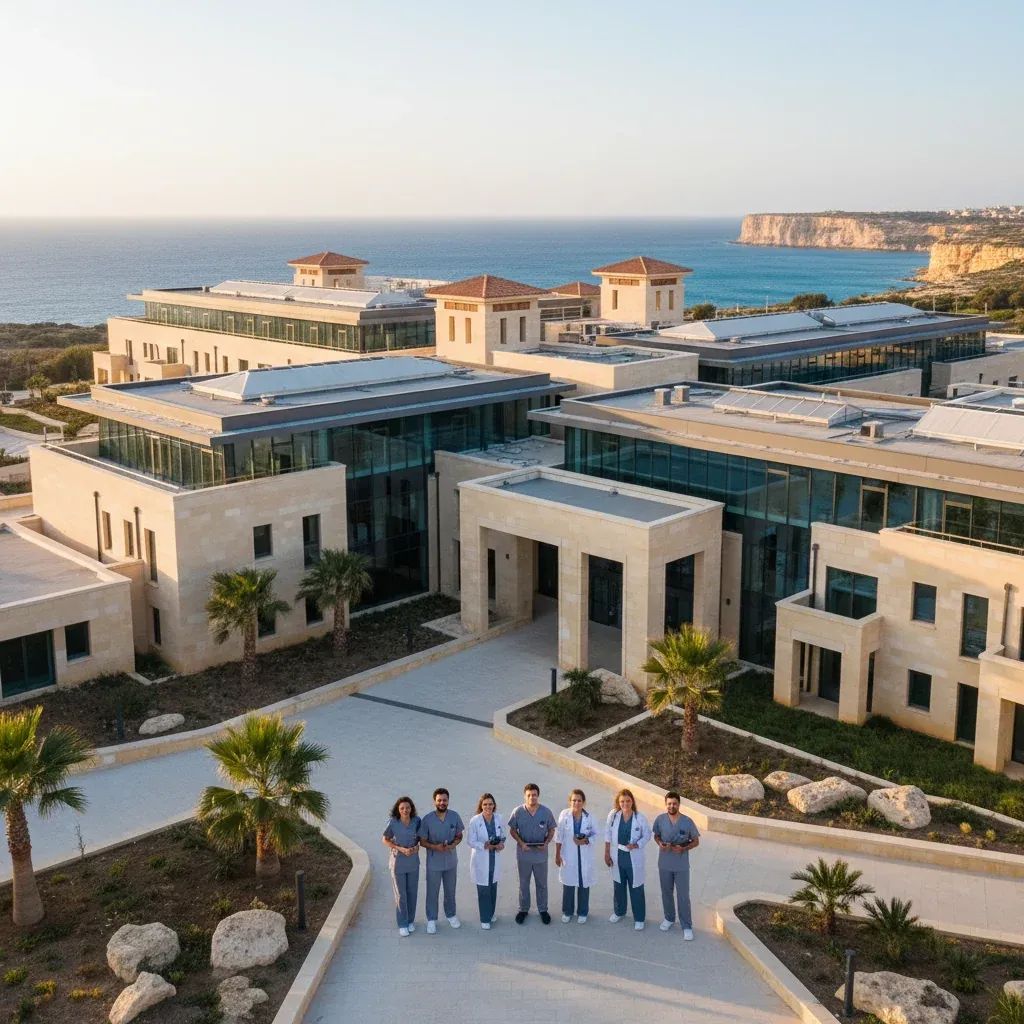
The Nationalist Party's vision for healthcare infrastructure marks one of the most ambitious construction plans the archipelago has seen in a generation. Opposition Leader Alex Borg laid bare the ambition on Thursday: three new hospitals across Malta and Gozo plus a dedicated wellness facility, all delivered within five years if the party wins government. The €600 million total commitment—comprising €350 million for a 400-bed hospital in Gozo, €160 million for a 250-bed northern facility, €80 million for southern expansion, and €20 million for a National Health Village focused on rehabilitation and prevention—signals a fundamental rejection of the current model, where overcrowding at Mater Dei Hospital routinely forces emergency redirects and where residents in the north and on Gozo face helicopter transfers for urgent care.
Why This Matters:
• Northern patients no longer wait for transfers: A 250-bed facility in northern Malta means local emergency care without the delays of travel to the capital—critical for trauma and acute cardiac cases.
• Gozo's lifeline improves: A 400-bed hospital eliminates dependence on air ambulances for routine admissions, potentially saving lives and operational costs during rough weather.
• Cancer drugs become universally free: All consultant-prescribed oncology medications move onto the government formulary, removing the current lottery where patients beg charities for better-performing treatments.
• Five-year deadline with no flexibility: The PN commits to full implementation by 2031 or faces political accountability on one of its flagship promises.
Breaking Malta's Geographic Health Divide
Malta's archipelago geography has imposed a hidden tax on healthcare. Residents in the north endure longer ambulance journeys to reach emergency theatres. Gozitans have historically relied on a 24/7 air ambulance service—a lifeline whose operational costs remain mysteriously classified by the Malta Health Ministry. The PN's counter-proposal directly addresses this fragmentation by placing acute care capacity closer to where people actually live.
The investment distribution tells the story. €350 million toward a 400-bed hospital in Gozo represents the largest single expenditure and signals a genuine commitment to island healthcare sovereignty. €160 million for a northern facility with 250 beds would serve the densely populated Mellieha, Mgarr, and surrounding communities. €80 million to transform the Paola Health Hub into a fully operational hospital converts an underutilized medical center into a southern anchor. According to Ray Gatt, a PN electoral candidate and surgeon, each new facility would carry its own emergency department, multiple surgical suites, and acute-care wards—sufficient to handle most cases without routing to Mater Dei.
This decentralization strategy sits at odds with international healthcare consolidation trends, which typically concentrate expensive specialist services at flagship hospitals. The PN's gamble assumes that primary acute care—stabilization, general surgery, routine orthopedics, and obstetrics—can operate effectively at satellite sites, reducing demand pressure on the capital's overtaxed facility. Only patients requiring intensive care, tertiary-level oncology, or specialized cardiac intervention would transfer inward.
Reckoning with Karin Grech: Rehabilitation at a Crossroads
Malta's rehabilitation sector faces an uncomfortable reality. Karin Grech Hospital, located in the urban Gwardamangia area with 250 beds, has become a bottleneck. Long waiting lists for post-operative recovery and stroke rehabilitation mean patients either deteriorate at home awaiting admission or seek private alternatives. The PN's proposal reorganizes this entirely.
Under the plan, the new "National Health Village" would absorb rehabilitation functions with 60 rehabilitation beds—a reduction against current Karin Grech capacity that represents a strategic shift in care delivery philosophy. When questioned about this apparent shortfall, Gatt argued that modern rehabilitation emphasizes shorter stays coupled with intensive community follow-up, not extended institutional occupancy. He also pointed to existing geriatric rehabilitation wards at St Vincent De Paule (Malta's primary state-run long-term care facility for elderly patients) and pledged additional bed expansion "if needed"—language that sidesteps hard commitments on capacity.
This represents a fundamental recalibration worth examining. International evidence increasingly supports the "step-down" model, where patients transition quickly from acute hospitalization to community-based outpatient therapy. However, Malta's primary health centers remain underequipped for this role. The PN's implicit assumption—that infrastructure will follow strategy—carries execution risk. Without simultaneous investment in community rehabilitation services, expanded primary care hours, and private physiotherapy partnerships, the 60-bed village could become a bottleneck rather than a solution.
The Mental Health Reset: From Institution to Integration
Mount Carmel Hospital, Malta's standalone psychiatric facility, occupies a unique position in the health landscape: it's simultaneously essential infrastructure and a symbol of outdated psychiatric practice. The PN plans its gradual closure, redistributing mental health services across new psychiatric wards in the proposed northern, southern, and Gozo hospitals, alongside community-based treatment hubs.
This aligns with contemporary international standards emphasizing de-institutionalization and integrated care. Patients with complex psychiatric conditions would move from a dedicated hospital campus into wards within general hospitals, ensuring co-location with medical and surgical services for patients managing comorbid conditions. Those unsuitable for community settings—individuals with severe, treatment-resistant conditions or acute safety concerns—would occupy these ward beds.
The transition involves timing challenges. The €120 million Mater Dei extension, awarded by direct order (a procurement method avoiding the standard tender process) in March 2026 amid tender disputes, includes psychiatric capacity but focuses on the capital. A distributed model across three new hospitals requires careful sequencing to avoid service gaps during the transition period. The PN has not detailed staffing assumptions for this shift, a notable gap given Malta's chronic shortage of psychiatrists and psychiatric nurses.
Oncology Care: Ending the "Beg for Charity" Trap
Stephen Spiteri, the PN's health spokesperson, touched a raw nerve in Maltese healthcare: cancer medication access. The current system forces oncologists to inform patients that while certain drugs are free under government formulary, newer therapies with superior survival data remain unfunded. Families then appeal to community chest funds (Malta's network of charitable organizations that patients often approach for medical expense assistance), navigate means-testing bureaucracy, or pay thousands out-of-pocket.
The PN pledges to make all consultant-prescribed cancer medications free—a policy Borg has framed as personally motivated, citing his father's cancer journey. Financially, this represents recurrent expenditure beyond the €600 million capital budget. The cost depends on prescription volume and drug mix but could easily reach €50-100 million annually at full run-rate. Such an expansion deserves scrutiny: Will it incentivize prescribing of expensive branded drugs over generics? Will other chronic disease categories (diabetes, cardiovascular, respiratory) demand parity? Despite these questions, the core premise—that financial hardship should not determine cancer treatment access—carries broad moral weight in Maltese society.
Staffing the Vision: Incentives and New Roles
Three additional hospitals generate massive staffing demand. The PN addresses this through multiple levers:
Staffing incentives include:
• First 100-day negotiations on healthcare worker compensation
• Five-year tax breaks for Maltese professionals abroad
• Removal of single-permit fees for foreign healthcare workers
• Healthcare student stipends equivalent to minimum wage
Beyond compensation, the party proposes a new "care navigator" role—essentially a patient advocate embedded in the health system who coordinates referrals, diagnostic scheduling, medication tracking, and appointment logistics. For elderly patients managing multiple chronic conditions across cardiology, nephrology, and orthopedics, this coordination reduces the cognitive burden of navigating a fragmented system. For the health system itself, it can reduce missed appointments and administrative duplication.
A parallel "just in time command centre" would centralize real-time bed availability, resource allocation, and patient flow across the network. Combined with a unified digital records platform and a digital "front door" for appointments, these systems address operational inefficiency rather than clinical quality—important infrastructure but not glamorous politically.
Youth Prevention: Strategic Investment or Smartphone Subsidy?
The "Fit for Life" program targets 15- to 25-year-olds with €300 grants for smartwatches, tracking physical activity redeemable for gym and sports vouchers. The logic: embed healthy behavior early, reducing chronic disease burden in mid-adulthood.
This sits at the interface between genuine prevention and consumer product marketing. Smartwatches provide legitimate activity tracking and can motivate sustained exercise. However, the €300 per person cost (multiplied across an entire age cohort) might deliver greater return if directed toward school sports facilities, subsidized gym memberships, or community walking campaigns. The policy reads as aspirational rather than evidence-driven. Still, within an overall €600 million infrastructure commitment, the reputational value of a "youth wellness" angle may justify the expense.
The Feasibility Question: Capital Costs, Operating Margins, and Political Timing
The PN has itemized capital expenditure but offered no independent feasibility study addressing operating deficits, debt service, or maintenance reserves. Hospital construction across Europe averages €400-750 per square meter depending on complexity. A 250-bed hospital typically occupies 40,000-50,000 square meters; at €600 per square meter, construction alone reaches €24-30 million before MEP systems, IT infrastructure, and contingency—figures the PN's €160 million allocation accommodates but barely.
Beyond brick and mortar lies operational reality. New hospitals require recruitment of physicians, nursing staff, and technicians—pools already depleted across Malta. Operating margins in public hospitals globally are razor-thin; small demand misforecasts or wage inflation can flip surpluses into deficits. The PN's five-year timeline for planning, tendering, construction, commissioning, and full staffing ramp is aggressive. Healthcare infrastructure projects routinely slip by 18-36 months; cost overruns of 10-25% are industry norms.
Yet feasibility skepticism misses the political calculus. Voters prioritize geographic equity and relief from overcrowding far above fiscal conservatism. The PN effectively bets that perceived commitment to healthcare modernization outweighs doubts about delivery timelines or budget discipline. With electoral timing approaching, the plan functions as a political differentiator regardless of engineering complexity.
A Watershed Moment for Maltese Healthcare
The PN's hospital network proposal represents a philosophical pivot: from centralization around Mater Dei to distributed regional care. Whether this model succeeds hinges on execution sophistication the party has not yet demonstrated—workforce recruitment at scale, community rehabilitation infrastructure development, psychiatric service integration, and digital systems implementation all simultaneously. The €600 million commitment is real, the urgency genuine, but the roadmap remains deliberately vague on the hardest problems.
For residents in the north and Gozo, this plan addresses decades of geographic disadvantage. For cancer patients, it offers genuine relief. For healthcare workers, wage negotiations beckon. For those awaiting rehabilitation admission, the outcome depends entirely on whether the PN follows through on staffing and community supports. The promise is substantial; the test will be performance.