Why This Matters
• Tourist arrivals surged to 1.67M in the opening five months of 2026, a 17.9% jump, but average spending per visitor retreated to €800 from €823 year-on-year.
• Infrastructure is under measurable strain: Water resources face summer pressure; public transport operates at sustained over-capacity; coastal waste treatment plants report overflow incidents.
• Gozo absorbed nearly 60% of May's visitors, intensifying resource pressure on the smaller island where infrastructure capacity was not originally designed for such volume.
The Visitor Boom Comes With a Fiscal Trade-Off
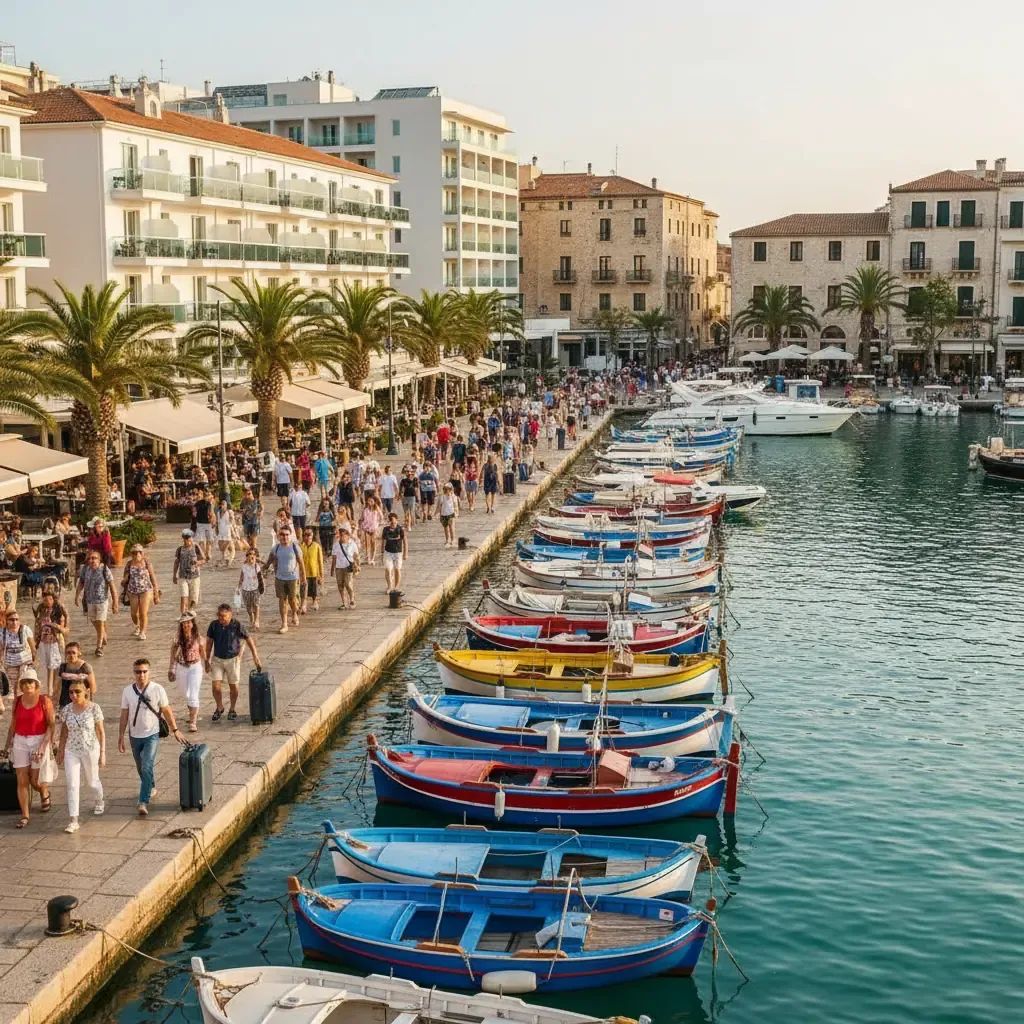
The Malta National Statistics Office released data Wednesday confirming that tourist arrivals are climbing rapidly—yet with declining average spending per visitor. Between January and May, the island archipelago attracted 1,673,602 travellers, up sharply from 1.42M in the same window last year. Overnight stays climbed 12% to 9.2 million bed-nights. Total money spent reached €1.34 billion, up 14.7%.
Yet here lies the central concern: spending per traveller has declined. Each visitor now spends €800 on average, down from €823 a year earlier. Adjusted for inflation, the decline is more pronounced. Real purchasing power per tourist dropped to roughly €617, trailing both 2025's €643 and the pre-pandemic 2019 benchmark of €663.
Several factors explain this divergence. Visitors are staying shorter: the average length of stay has shortened to 5.4 nights in the first four months (down from 5.7 in the same 2025 period), meaning tourists are spending less in aggregate. Additionally, a growing share of arrivals comes from budget-conscious demographics. Industry observers and policymakers now openly question whether Malta's approach—pursuing volume growth—remains sustainable when each additional visitor intensifies pressure on water supplies, waste systems, and transport infrastructure.
May 2026 exemplified this trend. That month alone saw 457,636 arrivals, a 22.3% uptick from May 2025, yet spending remained constrained. The average nightly expenditure sat at €162.1. Tourists stayed 5.7 nights on average, generating €420M in total spend—a 15.5% rise in nominal terms, but one that represents marginal real-term gains when accounting for inflation and per-visitor value.
Who's Arriving—And What They're Choosing
The 25-to-44 demographic now represents the core of incoming traffic, accounting for 37.4% of all arrivals in May. The 45-to-64 bracket follows at 34.2%. These cohorts tend toward shorter stays and budget-conscious travel patterns.
The nationality breakdown reveals shifting patterns. British, Italian, and Polish residents constitute 44.8% of May's arrivals. The United Kingdom remains the largest single source market, though expansion is accelerating from further afield. Non-EU markets—particularly the United States and China—are growing at 22.1%, outpacing EU traffic growth. These long-haul travellers represent a strategic focus for authorities seeking higher per-capita spending.
Holiday travel dominates, though business tourism has grown notably. The first quarter of 2026 recorded a 41.9% surge in business arrivals, reflecting Malta's expansion into the MICE sector—meetings, incentives, conferences, and exhibitions. This segment, however, concentrates during specific periods and does not materially ease summer infrastructure demand.
The Accommodation Calculus
Rented lodging now accounts for 88% of all guest-nights. The prevalence of Airbnb-style platforms has shifted visitor distribution away from consolidated hotel properties into scattered residential zones. This fragmentation complicates municipal resource management. Water, waste, and electricity consumption across thousands of independent mini-properties strains municipal systems more acutely than equivalent guest numbers in centralised hotels would.
Guest-house and smaller independent operators—scattered across Valletta, Sliema, St Julian's, and beyond—report strong occupancy rates. However, their distributed footprint on local utilities is more difficult to monitor and regulate than large, branded hospitality properties.
Gozo's Disproportionate Load
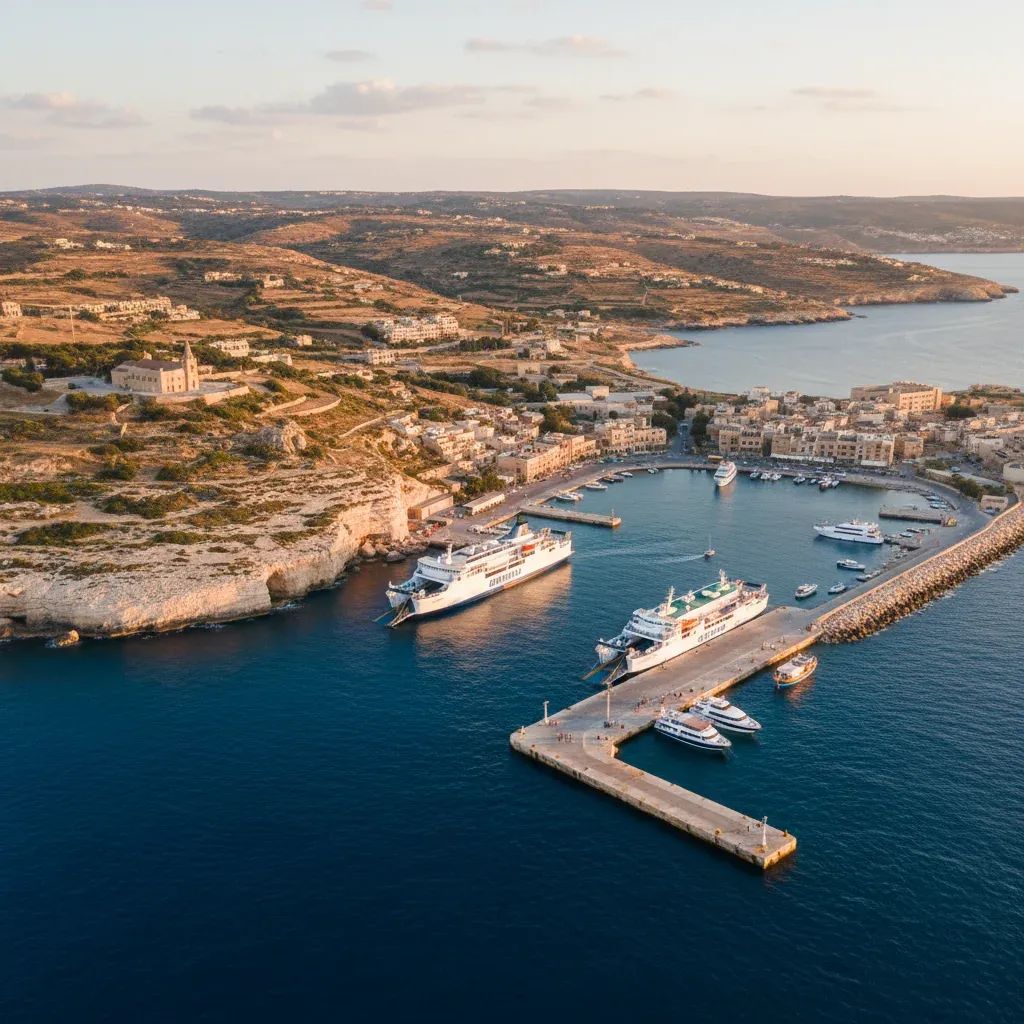
The sister island of Gozo and the uninhabited Comino welcomed 845,587 visitors during the five-month span—representing 50.5% of Malta's entire inbound total. In May alone, 268,229 people visited the smaller islands, comprising both overnight guests and same-day trippers.
This distinction matters for infrastructure planning. Same-day visitors—who ferry over, spend limited time at attractions like Dwejra and Ta' Ċenċ, and return by evening—consume resources identically to overnight guests but generate minimal accommodation revenue. They contribute to congestion at ferry terminals during peak hours and increase pressure on waste facilities and water supplies serving restaurants and public amenities.
Gozo's year-round population is approximately 31,000. During summer peaks, this figure swells by tens of thousands of daily visitors. The island's roads, waste collection systems, and water desalination capacity were engineered for a significantly smaller operational base. This infrastructure-visitor mismatch is now measurably straining local services.
Quarterly Breakdown: Where the Growth Concentrates
The first quarter (January–March) delivered 806,563 tourists, representing a 16.3% year-on-year increase. Overnight stays rose 11.9% to 4.45 million; spending per night climbed 2.7% to €131. Expenditure totalled €585 million.
By April, cumulative arrivals reached 1.22 million. Expenditure per capita had already declined to €756 from €770 in the corresponding 2025 period—an early indicator that full-year spending averages would underperform.
The May surge—22.3% growth—confirms seasonal volume acceleration but simultaneously demonstrates that marginal increases in visitor numbers are not translating into proportional revenue gains. Volume growth is increasingly decoupled from economic value.
What This Means for Residents
For people living in Malta, the sustained tourism influx creates concrete pressures across essential services.
Water stress represents the most visible challenge. Tourist consumption per capita roughly doubles that of resident households. Malta is classified as Europe's most water-stressed jurisdiction, with aquifer depletion outpacing natural recharge annually. The government has announced expanded desalination capacity initiatives, though completion timelines remain subject to planning and financing constraints. Officials have signalled that water management during summer 2026 will require careful monitoring and may necessitate enhanced conservation measures.
Waste collection faces measurable strain. Bin overflow incidents have increased in St Julian's, Sliema, and Valletta. Sewage treatment plants sited along the coast have reported occasional discharge events during peak-demand periods. Each overnight guest generates approximately 1.5 to 2 kilograms of solid waste daily per accommodation unit.
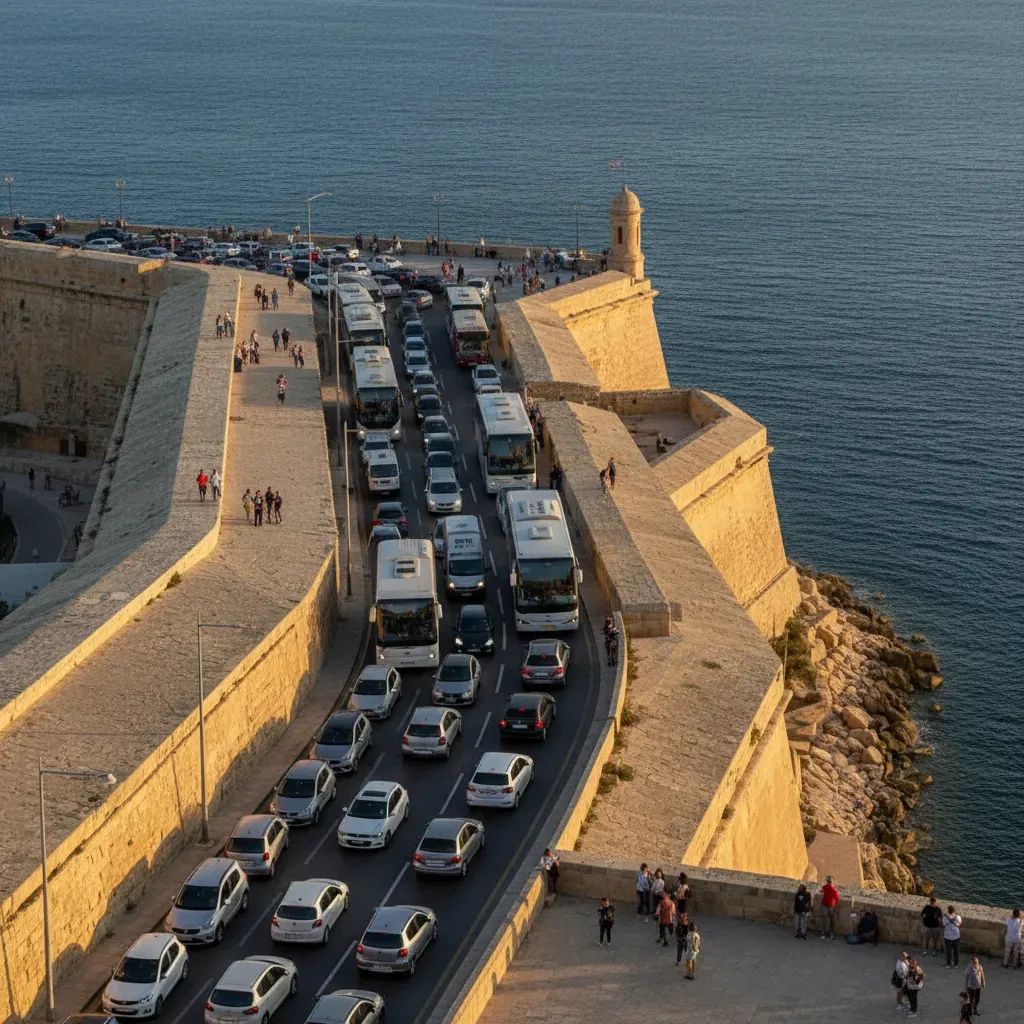
Public transport operates at sustained over-capacity. Buses serving the Valletta–Sliema–St Julian's corridor regularly reach maximum passenger capacity during peak commute periods. Residents have reported difficulty accessing morning services. The Airport Express upgrade—designed to separate tourist flows from resident commuter patterns—remains incomplete, with completion now projected for 2027. Congestion is expected to intensify through summer 2026.
Energy demand is accelerating. Air-conditioned hotels and electricity-intensive desalination plants drive peak-hour consumption increases. Although a second Italy–Malta electrical interconnector came online in 2026, the island remains fossil-fuel dependent for baseload generation. Infrastructure upgrades are under way to manage demand, but peak-season pressures test system capacity.
Immigration processing timelines have lengthened. The introduction of biometric data collection for non-EU travellers has extended airport immigration procedures. During peak summer months, queuing times are forecast to extend beyond 30 minutes, potentially affecting ground transport connections and resident perceptions of airport efficiency.
Government Response and Strategic Direction
The Malta Tourism Authority (MTA) and government officials have publicly acknowledged infrastructure capacity constraints. In April 2026, enhanced tourism regulations were introduced, emphasising service quality and environmental sustainability alongside visitor numbers. The MTA is directing EU cohesion funds toward infrastructure improvements, including water management, waste logistics optimisation, and hospitality workforce training.
The stated strategic approach prioritises attracting visitors with higher per-night expenditure, particularly from non-EU markets including North America and China, which currently grow at 22.1% annually. This strategy aims to decouple economic benefit from raw visitor volume, potentially easing resource pressure.
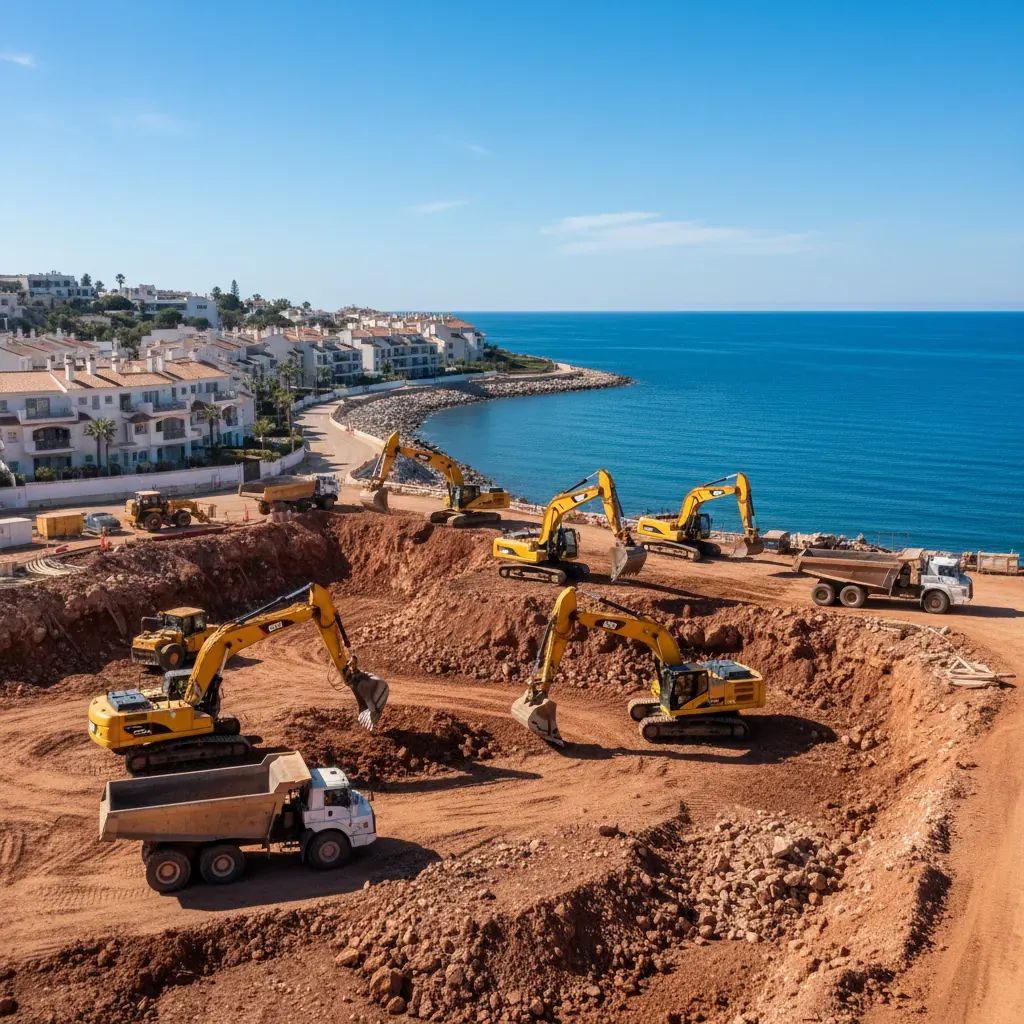
Concrete infrastructure initiatives include evaluating expanded desalination capacity, optimising waste collection routes, augmenting public transport during peak seasons, and phasing airport capacity enhancements. Most of these projects extend into 2027 and beyond. Consequently, summer 2026 will operate under current infrastructure constraints.
Summer 2026: The Critical Period
The traditional summer peak (June–August) will demonstrate whether current infrastructure can manage sustained visitor volume without material service degradation. Water consumption, transport congestion, and waste accumulation are all forecast to approach existing system capacity limits. Residents should anticipate potential increases in commute times, water conservation advisories, and possible service disruptions during peak periods.
The central question facing Malta's policymakers and residents is whether the government's strategic shift toward higher-value tourism combined with infrastructure modernisation can outpace volume growth. If per-capita visitor spending continues declining while visitor numbers climb, the economic-to-cost trade-off becomes mathematically challenging to sustain. Data from early 2026 indicates that authorities have a defined window to demonstrate that the tourism model can be recalibrated before resource constraints force policy changes. Summer will provide the clearest test of this trajectory.