
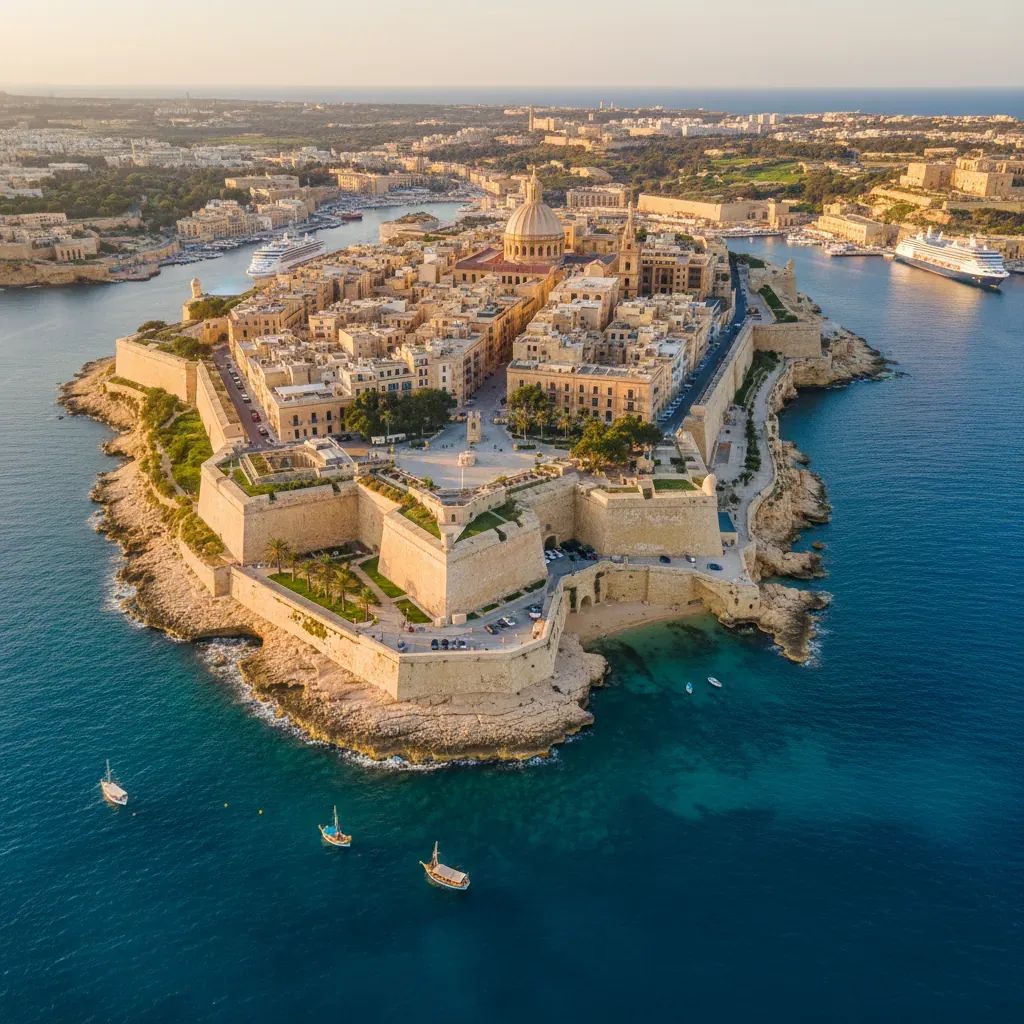
Malta's government is racing against a March 2026 deadline to finalize negotiations with the MIDI p.l.c. consortium, clearing the way to transform Manoel Island into a public park and ending 26 years of contested private development. Prime Minister Robert Abela confirmed that an agreement is imminent—expected within days or weeks—marking a dramatic reversal of policy after sustained public campaigns and legal pressure forced the government's hand.
Why This Matters
The March 2026 deadline represents a critical contractual threshold for MIDI to complete substantial development works. Missing it provides the government with legal grounds to reclaim the concession without triggering massive compensation claims from the developer.
Financial negotiations remain the primary stalling point. Earlier reports suggested a settlement around €70M, though exact figures have not been publicly confirmed by either party. The government has indicated that reclaiming the island would require significant taxpayer investment, while MIDI maintains its position on valuation of the concession.
The Timeline: Two Decades of Stalled Development
When MIDI acquired its 99-year emphyteutical concession in 2000, the original contract stipulated that substantial development work must be completed by March 2023. That deadline passed without the project progressing. The government subsequently extended the timeline to March 2026, but substantial development has not materialized. Dispute between the government and MIDI has hardened over the years, with both parties citing different reasons for the project's stalled status.
The government's willingness to invest in reclaiming the island reflects changed political calculus: public pressure now outweighs developer relationships in this particular contest.
What Manoel Island Will Become
Once negotiations conclude and the paperwork is signed, the island will transition from developer limbo into public use. The government has committed to transforming Manoel Island into a car-free public space with heritage preservation at its core.
Fort Manoel will serve as a cultural hub, hosting galleries, museums, and community events. The island's design will prioritize open green space and pedestrian access, creating a genuine public waterfront asset in a region struggling with traffic congestion and limited recreational space.
The masterplan has been shaped through community consultation with schools, NGOs, and residents from surrounding areas like Gzira and Sliema, reflecting their priorities for public access and cultural use rather than commercial development.
The Broader Precedent
The Manoel Island reversal signals something significant about how Malta negotiates between commercial interests and public good. For two decades, the island symbolized failed planning—a prime waterfront asset locked away behind legal contracts while surrounding neighborhoods densified.
By finalizing this agreement before the March 2026 deadline, both the government and MIDI can move forward without protracted legal battles. For residents of neighboring communities, the outcome represents reclaimed public space in a city that desperately needs accessible waterfront areas.
The transformation of Manoel Island from a contested development site into public parkland will reshape how locals and visitors experience this corner of Malta's coastline.


