Mdina Exhibition Uncovers Malta's Disappearing Folk Wisdom About Nature
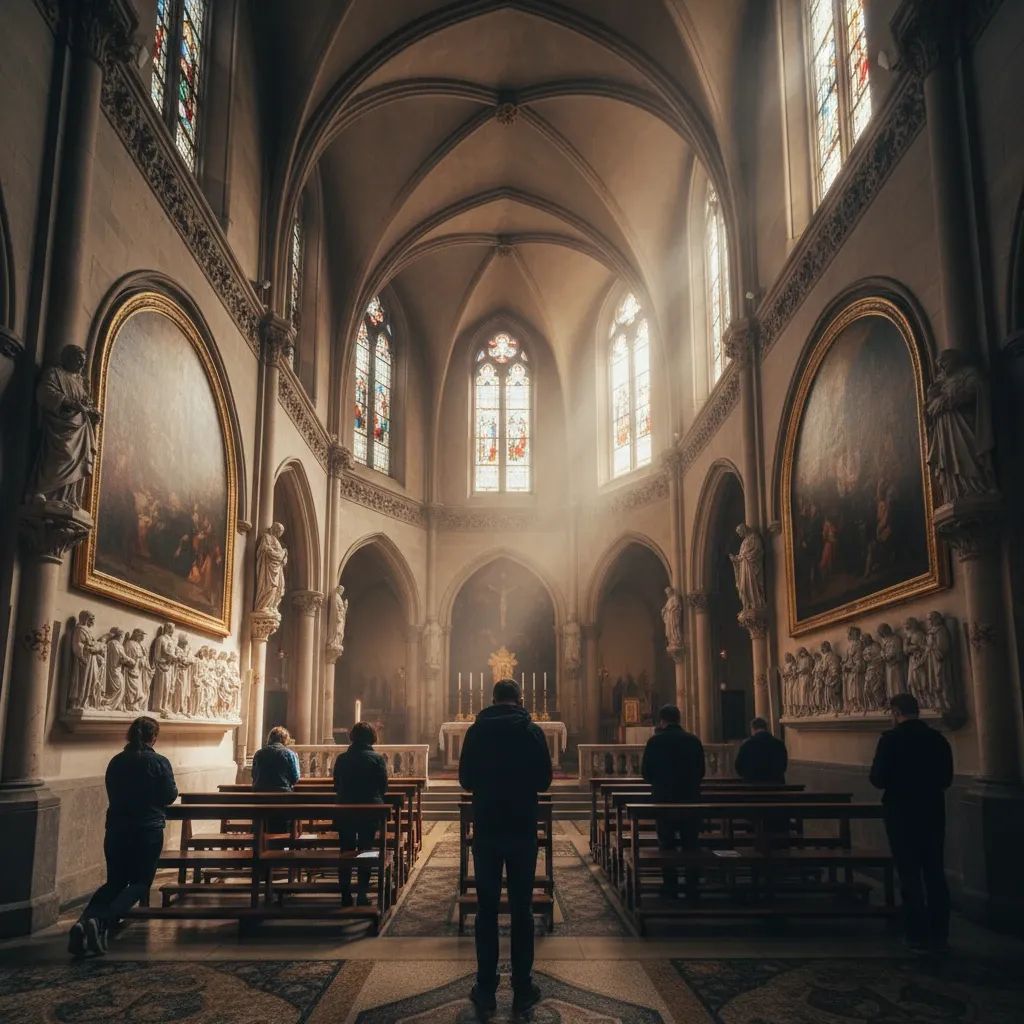
Heritage Malta has opened a new exhibition in Mdina documenting traditional ecological knowledge that sustained the archipelago for millennia before modern medicine and science arrived. Running from April 17 through June 30, the exhibition examines how folklore, plant knowledge, and animal traditions functioned as a working knowledge system rather than mere superstition. For anyone living here, recognizing this layer transforms casual walks through villages, market stops, and family conversations into opportunities to understand cultural heritage embedded in the landscape.
Exhibition Details at a Glance
• Location: Mdina (Heritage Malta manages this national cultural heritage agency site)
• Dates: April 17 – June 30
• Hours: Tuesday–Sunday, 9am–5pm (last entry 4:30pm)
• Admission: €5 adults, €3.50 concessions, children under 12 and Heritage Malta members free
• Accessibility: Fully accessible facilities throughout
• Contact & Booking: Heritage Malta website or call for group tour information
Why This Matters
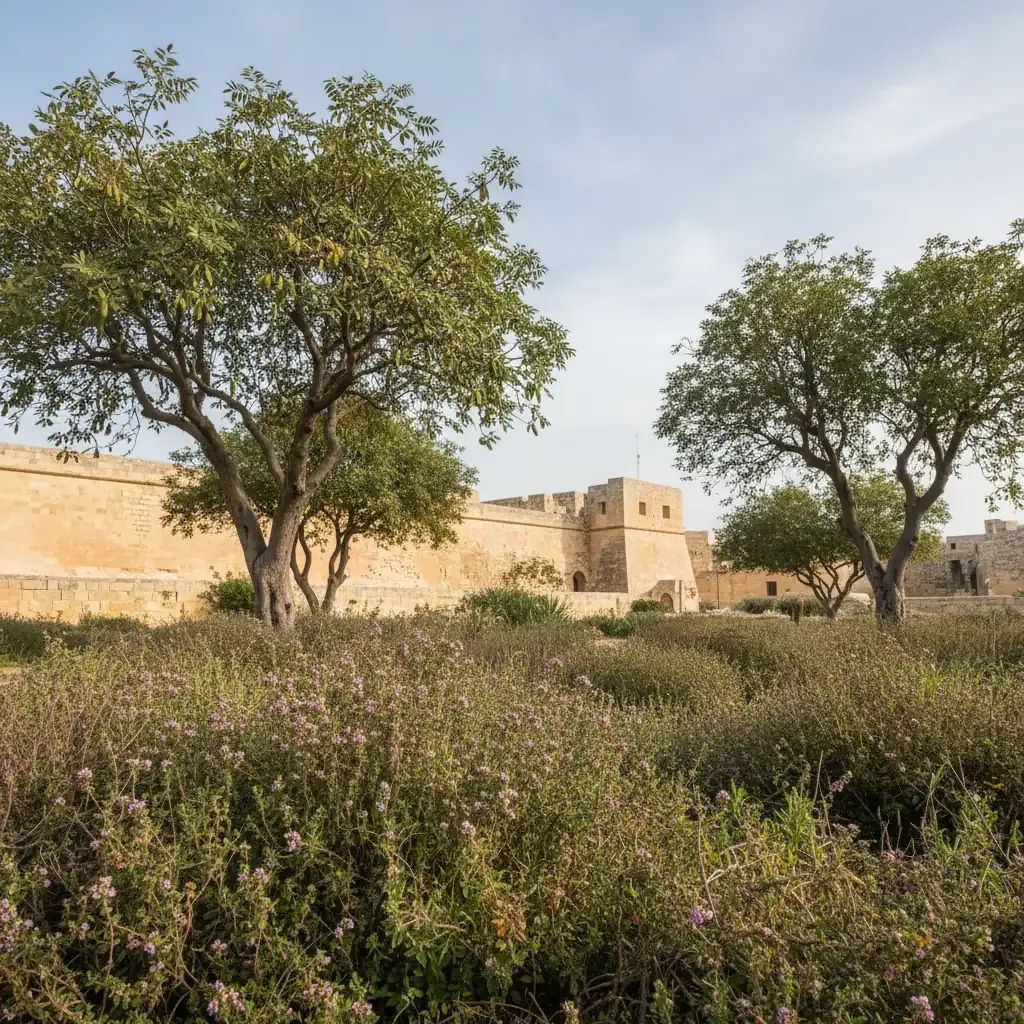
The elderly people who remember herbal remedies, animal superstitions, and planting wisdom are aging without passing expertise onward. This exhibition documents cultural knowledge at a critical moment—as habitat destruction threatens wild plants central to traditional practices and younger generations rely entirely on clinics and pharmacies. The spring timing is deliberate: plants featured in the exhibition flower during these months, and animals migrate, allowing visitors to observe living examples afterward in Buskett Gardens or nearby fields.
How Extinction Changes What Words Mean
Walk into any Maltese village and listen to older residents describe plants, weather, or seasonal timing. What sounds like quaint phrasing often encodes practical information accumulated over generations. But this vocabulary archive is incomplete—gaps exist where species vanished.
The jackdaw (ic-Cawla) disappeared from local breeding populations by 1956, hunted relentlessly until the last bird fell in Gozo. The flower once called Ħara taċ-Ċawl (literally, Jackdaw's Shit) survives in modern Maltese vocabulary as Ħalib it-Tajr (Birds' Milk). Naturalists softened the crude reference, borrowing from the flower's scientific name (Ornithogalum arabicus). The renaming was practical—less crude for polite conversation—but it also represented cultural forgetting. Young Maltese speakers today don't associate the flower with the jackdaw at all.
The exhibition treats such linguistic shifts as evidence of environmental change encoded in speech. When a species disappears, the stories and sayings attached to it fade, get simplified, become orphaned references that puzzle later generations. This has implications beyond nostalgia: an entire vocabulary of ecological knowledge—when to plant, which animals signal weather changes, where specific plants grow—gradually becomes incomprehensible.
Reading the Landscape as Your Ancestors Did
Centuries ago, Maltese people became expert readers of their terrain out of necessity. Fossil remains scattered in quarries inspired legends. The Cyclopean giants of folklore—massive one-eyed beings who supposedly hurled boulders to form the archipelago's rock formations—were explanations before geology existed. These narratives taught respect for geological power and danger.
The blood orange carries darker folklore. According to Gozitan legends, its crimson flesh originated in a cursed orchard where betrayal and violence stained the harvest. The story functioned as a cautionary tale about greed and trespass, encoded in agricultural routine. The Maqluba sinkhole near Qrendi was interpreted as divine punishment for an immoral village—a narrative that discouraged settlement in unstable terrain, a real geological risk masked in moral language.
Fossil knowledge and landscape mythology served practical purposes: they explained geological hazards, marked taboo zones, established behavioral norms. This wasn't primitive science; it was risk management dressed in spiritual vocabulary.
The Pharmacy That Grew at Your Doorstep
For generations, Maltese herbalists treated illnesses using plants that grew in the maquis and garrigue scrubland. The exhibition documents how this indigenous pharmacopeia functioned as a documented health system adapted to Mediterranean island conditions. A boiled reduction of wild thyme (Thymbra capitata)—used to make Id-Duwa tas-Suffejra (Jaundice Medicine)—was administered during wartime panic and shock. Soldiers, refugees, and civilians experiencing trauma received this herbal treatment. Modern psychology might call the condition acute stress; Maltese healers recognized it generations earlier and had a preparation ready.
The carob (ħarrub) appears linked to superhuman strength in traditional stories. Squill, a coastal plant, was used as an expectorant and diuretic. Mediterranean sea lavender held protective qualities. These weren't random choices—they reflected accumulated observation about which plants actually worked for specific conditions. A plant that relieved respiratory symptoms got remembered and named for its function. Over centuries, observation became inherited wisdom.
Younger generations rely on clinics and pharmacies, which is medically sensible, but it means the knowledge transmission chain breaks. Over-harvesting threatens wild populations of medicinal plants, meaning even if someone wanted to revive traditional practices, the botanical resources may not be available.
The olive tree illustrates this complexity. Introduced by Phoenicians around 800 BCE, it became ubiquitous. Its oil lit lamps, dressed wounds, and featured in religious rituals. Its wood was carved into protective talismans. The tree symbolized resilience—its ability to regenerate after fire or cutting mirrored survival strategies under successive occupations. That density of meaning, built over millennia, is what modern commerce doesn't replicate.
When Animals Shifted Between Helpful and Uncanny
Cats occupied ambiguous space in Maltese imagination. Tales cast them alternately as household protectors and omens or witches' familiars. This reflected a worldview where animals could shift roles depending on context—useful in one moment, dangerous in another. The nocturnal kawkaw (a slimy night-roaming creature) and Il-Belliegħa (a well-dwelling monster) reinforced behavioral norms through fear: don't wander after dark, don't lean too far over cistern edges, respect boundaries.
Legendary dragons associated with caves and cliffs possibly descended from Phoenician or Roman myths, but locally they symbolized the islands' geological volatility. They were geographical warnings in creature form.
The "Eye of Osiris" painted on traditional luzzu fishing boats represents a survival technology. Phoenicians introduced this practice, which persisted for millennia. The eye was meant to guard against Il-Luzzu, a mythical sea monster said to rise during storms. The belief motivated careful boat maintenance and respectful seamanship. Whether the monster was "real" mattered less than whether the belief produced safe practices.
Traditions Born From Scarcity, Transformed Into Community
Pigeon keeping (tat-toroq) began as a protein source during lean periods and evolved into a competitive hobby with its own etiquette and breeding expertise. Competitors developed sophisticated knowledge about genetics, temperature, feed timing, and bird behavior—all embedded in what looked like a leisure activity.
The fenkata (communal rabbit stew feast) follows a similar trajectory. Rabbit hunting was democratized after British rule ended the Knights of St. John's monopoly on the practice. What began as subsistence hunting became a social institution where food, storytelling, and shared experience fused. Young people learned when migratory birds arrived, which herbs flowered in which season, how to read weather patterns. They accumulated encyclopedic environmental knowledge, even if they never used scientific terminology.
These rituals preserved ecological literacy in disguised form—representing sophisticated adaptation to Mediterranean island conditions rather than simple superstition.
What Residents Should Recognize in Their Own Lives
For long-term Malta dwellers, this exhibition functions as cultural translation. That remedy your grandmother brewed likely has documented lineage stretching back centuries. The sayings your grandfather used about weather or planting encode observations refined over generations. Your family's cautionary tales about certain areas or seasons weren't arbitrary superstition; they preserved real ecological knowledge.
For newcomers and expats, the show serves as a cultural decoder. Why do certain plants appear in every village festa? Why do fishing boats look the way they do? Why do locals treat specific natural sites with particular reverence? Understanding this folklore layer enriches daily interactions—from farmers' market conversations to rural hikes—by revealing accumulated meaning embedded in the landscape.
The museum's location in Mdina adds another dimension. Malta's former capital is itself a landscape artifact containing stories within stories. Walking through the exhibition, then exploring nearby Buskett Gardens or the Dingli Cliffs, where several featured species grow, connects the displayed knowledge to the living environment.
Plan Your Visit
After experiencing the exhibition, step outside into Mdina's medieval streets or venture to the gardens and cliffs where featured plants and animals still thrive. The exhibition transforms these ordinary walks into opportunities to recognize what you've learned still exists in the landscape around you. For group bookings or guided tours, contact Heritage Malta directly through their website or phone line for availability and scheduling.