
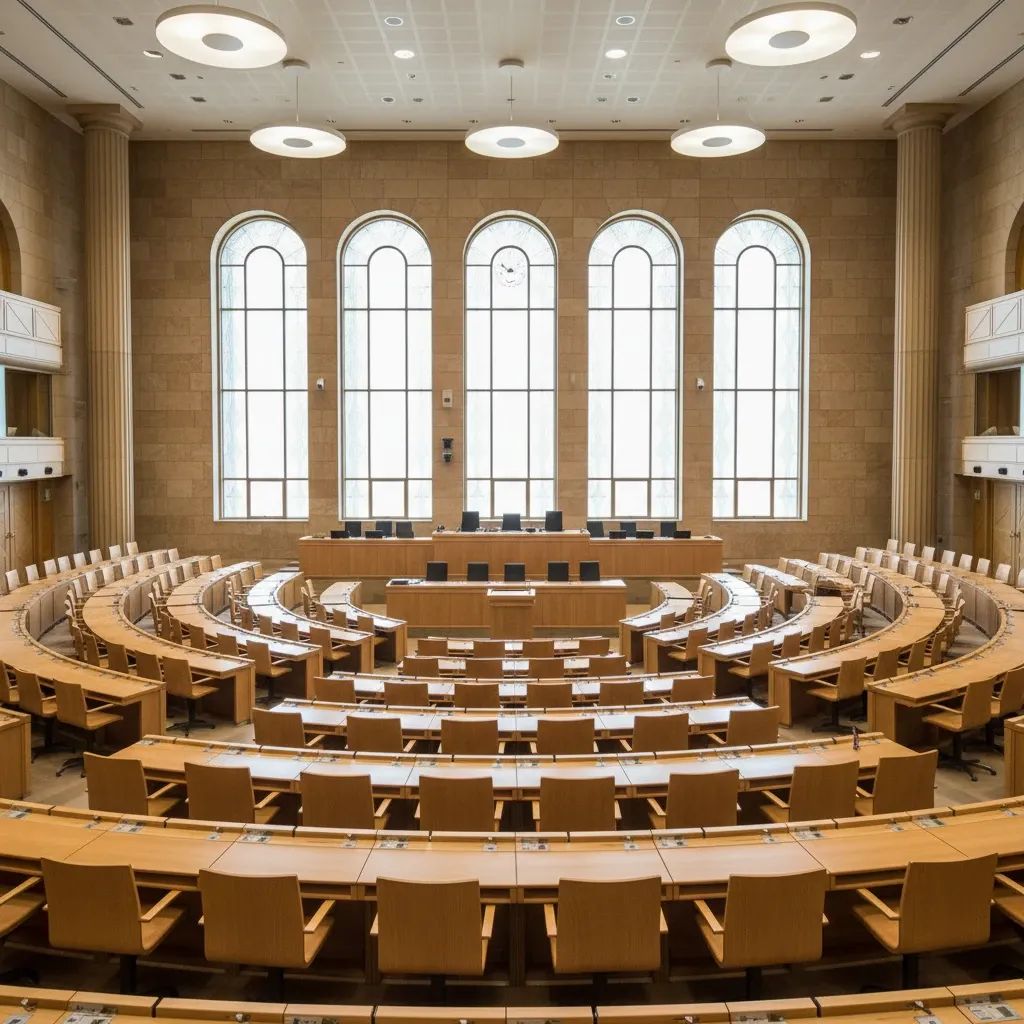
The Speaker of Malta's Parliament is surveying members on the potential introduction of childminding services during parliamentary sittings, a practical acknowledgment that the legislative schedule and caregiving responsibilities often collide. The push comes after Adrian Delia, a member of parliament, called for structured support to help MPs balance the demands of representation with parenting—an issue that has quietly frustrated working legislators for years but rarely surfaced in official discourse.
The Current Gap for Malta's MPs
Malta's parliament operates on a calendar that can stretch into evening hours with little advance notice. For MPs with children under school age—or those managing care responsibilities for older children—this unpredictability creates a logistical bind. Unlike private-sector employees who can arrange fixed daycare hours, MPs must often choose between attending critical votes and being present for their families.
Currently, there is no formal childcare provision during late-night votes or unpredictable sitting hours. This creates particular challenges for working parents who lack access to flexible, affordable care arrangements that can accommodate the parliament's erratic schedule.
Why This Matters for Malta
Women MPs face disproportionate pressure. A 2022 survey of European parliamentarians found that women MPs were twice as likely as male colleagues to cite childcare conflicts as a barrier to legislative participation. Malta's parliament has seen growing female representation in recent years, with many women entering politics during their prime caregiving years. Without formal support, the burden falls disproportionately on them.
The proposal also aligns with Malta's broader policy environment. The government has committed to expanding early years funding and improving access to affordable childcare nationwide. A parliamentary childcare service would model best practice for employers in other sectors and signal that political service is compatible with modern family life.
The Survey and Next Steps
The Speaker's survey will attempt to quantify demand among sitting MPs. The survey is expected to conclude in the coming weeks, after which the parliamentary administration will assess feasibility and cost. Results will determine whether the proposal advances from consultation to budget allocation and implementation planning.
What Other Parliaments Offer
Malta would not be pioneering this concept. The UK Parliament's nursery operates at 1 Parliament Street, rated "Outstanding" by Ofsted, serving children from birth to five years old. The Scottish Parliament offers a free crèche for children aged six weeks to five years, available for up to three or four hours daily. New Zealand's parliament includes a crèche, playground, and family facilities. The Canadian House of Commons operates a daycare for children over 18 months. Research consistently shows that comprehensive family policies in legislative settings increase retention rates among women MPs and support greater gender diversity in leadership.
What MPs and Families Stand to Gain
For Malta's MPs with young children, an on-site childminding service would eliminate the choice between legislative duty and parental presence. It would allow them to attend late votes without arranging emergency backup care, participate in committee hearings without worrying about school pick-ups, and engage fully in debates without the mental load of coordinating logistics.
For Malta's political system, the benefits extend further. A more family-friendly parliament is likely to attract a more diverse candidate pool, particularly among women and younger professionals. It signals that political service is compatible with modern family life rather than requiring personal sacrifice that only some demographics can afford.
Timeline and Implementation
The proposal remains in its early stages. Once the Speaker's survey closes, the parliamentary administration will assess feasibility, capacity needs, and cost implications. Implementation details—such as whether the service operates only during sitting days or year-round, the age groups served, and funding models—will depend on demand figures and parliamentary budget considerations.
If demand is strong, Malta could join a growing list of democracies that have decided representation requires infrastructure—not just rhetoric—to support the people who serve.


