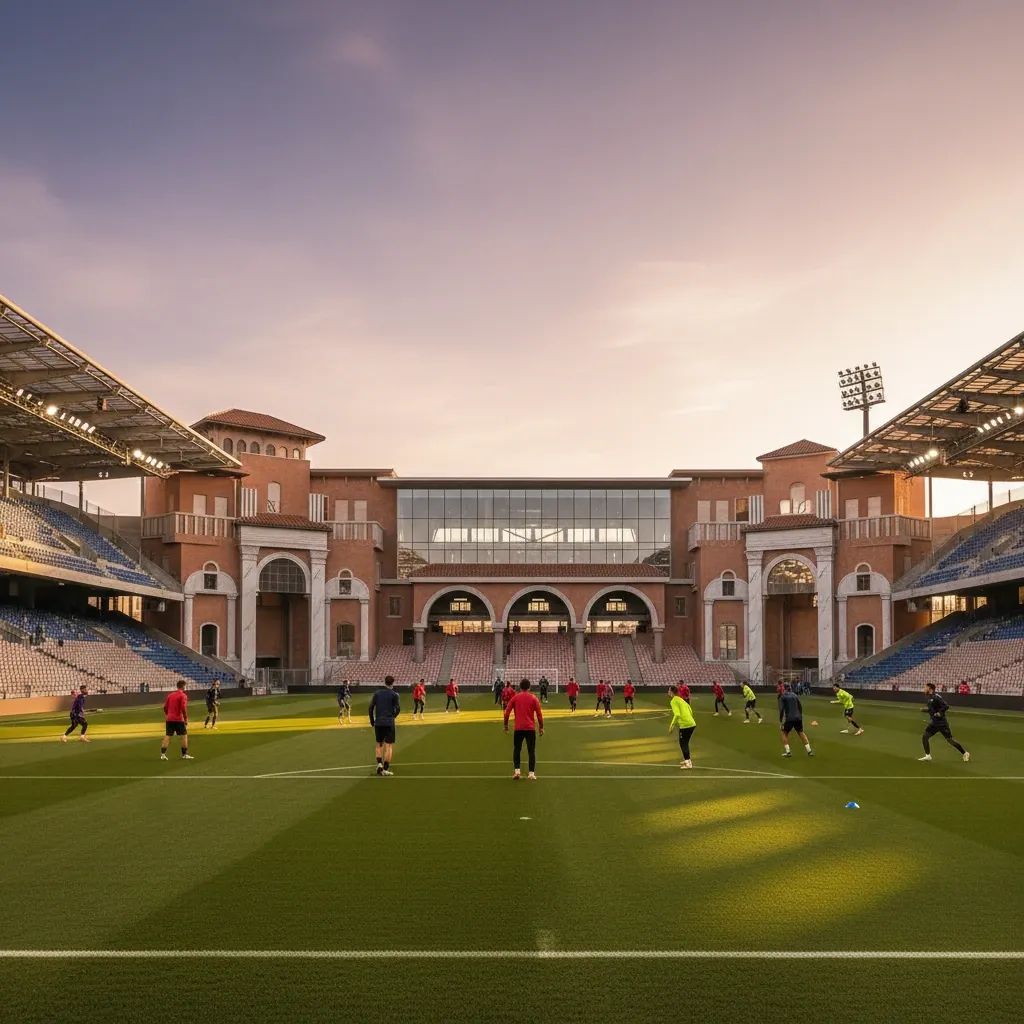
The Malta Parliament has granted approval for a controversial land transfer that will hand a €75M–€100M public site in Pembroke to Valletta FC, despite vocal opposition from over 2,000 residents who warn the football campus will irreversibly damage one of the locality's last remaining green corridors—located immediately adjacent to a Natura 2000 protected area.
Why This Matters
• Land giveaway: Public land valued up to €100M is being transferred to a football club with unanimous backing from both the Labour Party and the Nationalist Party.
• Environmental red line: The site borders a legally protected Natura 2000 zone, raising concerns about habitat disturbance, light pollution, and biodiversity loss.
• Traffic crunch: Pembroke residents already face congestion from recent developments; the campus is expected to worsen traffic, noise, and parking pressure.
• Political consensus: For the first time in years, Malta's two largest parties have united—leaving smaller parties and residents to accuse them of abandoning public consultation.
Bipartisan Backing Sparks Accusations of Betrayal
On April 18, Opposition Leader Alex Borg announced the Nationalist Party would vote in favour of the government motion, citing the project as an "investment in young people, sport, and the community." Prime Minister Robert Abela had tabled the proposal in February, framing it as a conscious decision to prioritize sports infrastructure over commercial development that could have generated higher financial returns.
The parliamentary committee approved the transfer unanimously, a rare display of cross-party cooperation that Momentum, a smaller political party, has condemned as a "betrayal of Pembroke residents." Momentum argues that both major parties disregarded the concerns of the locality and proposes relocating the campus to the former Marsa Power Station site, which it claims offers better infrastructure connectivity and proximity to Valletta without burdening an already over-developed area.
Valletta FC President Claudio Grech welcomed the bipartisan support, emphasizing that the club has operated for decades without its own facilities and describing the campus as a project of "national importance." He highlighted that 27,000 families support the initiative, which aims to deliver Malta's first dedicated futsal facility, youth development programs, and over 4,500 square meters of open space for public use. Part of the site is also earmarked for Swieqi United.
What This Means for Pembroke Residents
For those living in Pembroke, the approved transfer represents a significant shift in how their locality will look and function. The campus will include a full-size football pitch, a five-a-side pitch, administrative offices, an academy, and futsal courts. While the government promises parking and green zones, residents remain unconvinced.
Traffic and infrastructure: Pembroke has absorbed multiple large-scale developments in recent years, and locals report that roads are already strained. The addition of training sessions, matches, and community events is expected to exacerbate congestion, particularly on match days and weekends.
Environmental impact: The site is described by residents as "beautiful virgin land" and one of the few remaining open spaces in the area. Its proximity to a Natura 2000 site has triggered warnings from environmental groups that increased human activity, artificial lighting, and noise will disturb protected ecosystems and erode biodiversity.
Quality of life: Residents anticipate elevated noise levels from matches and training, compounded by light pollution from floodlit pitches. Many feel their quality of life has already been compromised by successive developments and worry the football campus will accelerate the transformation of Pembroke into an extension of Paceville, Malta's nightlife hub.
The Consultation Gap
A parliamentary petition opposing the transfer gathered over 2,000 signatures by mid-April, yet residents report feeling excluded from meaningful consultation. Activist groups and NGOs have criticized the lack of a comprehensive Environmental and Social Impact Assessment before the land was allocated, raising questions about transparency and accountability in the handling of high-value public assets.
Local council representatives have also faced scrutiny over their stance, with some residents accusing them of failing to advocate forcefully on behalf of the community. Momentum has been the most vocal political actor opposing the project, arguing that Pembroke should not serve as a "dumping ground" for large-scale initiatives when viable alternatives exist elsewhere.
The Government's Justification
Prime Minister Abela's administration has defended the decision by emphasizing the social and sporting benefits the campus will deliver. The government contends that prioritizing a sports project over commercial development reflects a commitment to healthy living and youth engagement, particularly in a country where open-air sports facilities are limited.
Officials also point to the inclusion of over 4,500 square meters of open space, which they say will be accessible to the Pembroke community, along with dedicated parking to mitigate congestion. The project is framed as a regional sports hub that will serve thousands of athletes, schools, women's football programs, and community groups, not just Valletta FC.
Alternative Sites and the Marsa Debate
Critics argue that the former Marsa Power Station site presents a more logical alternative. Located closer to Valletta and already integrated with existing infrastructure, the Marsa site could accommodate a modern sports campus without imposing additional strain on Pembroke's environment and residents. Momentum has championed this proposal, contending that it would address Valletta FC's facility needs while preserving Pembroke's remaining green corridors.
However, the government has not publicly considered relocating the project, and both major parties appear committed to the Pembroke site. The political consensus suggests that barring a significant legal or procedural challenge, the transfer will proceed as planned.
What Happens Next
With parliamentary approval secured, the next phase involves finalizing design plans, conducting any required environmental assessments, and beginning the land transfer process. Valletta FC has not disclosed a construction timeline, but the club is expected to move quickly given the bipartisan political backing.
Residents opposed to the project are exploring legal avenues, including challenges based on environmental law and the proximity to the Natura 2000 zone. NGOs specializing in environmental advocacy are expected to scrutinize the permitting process closely, particularly around compliance with EU directives on habitat protection.
For now, the debate underscores a broader tension in Maltese politics: the balance between development, sports infrastructure, and the preservation of limited open space. Whether the football campus delivers the social benefits promised by government or accelerates the over-development feared by residents will only become clear once construction begins and the facility opens its doors.