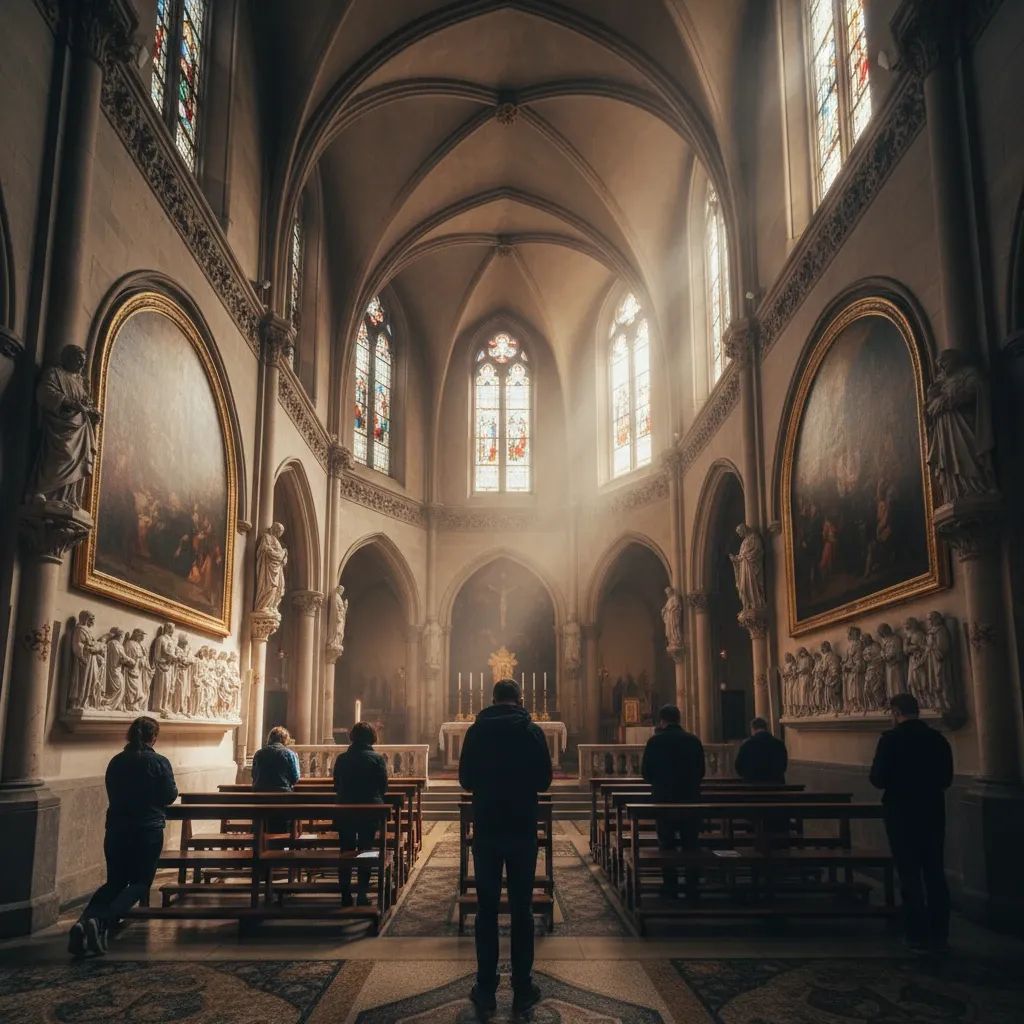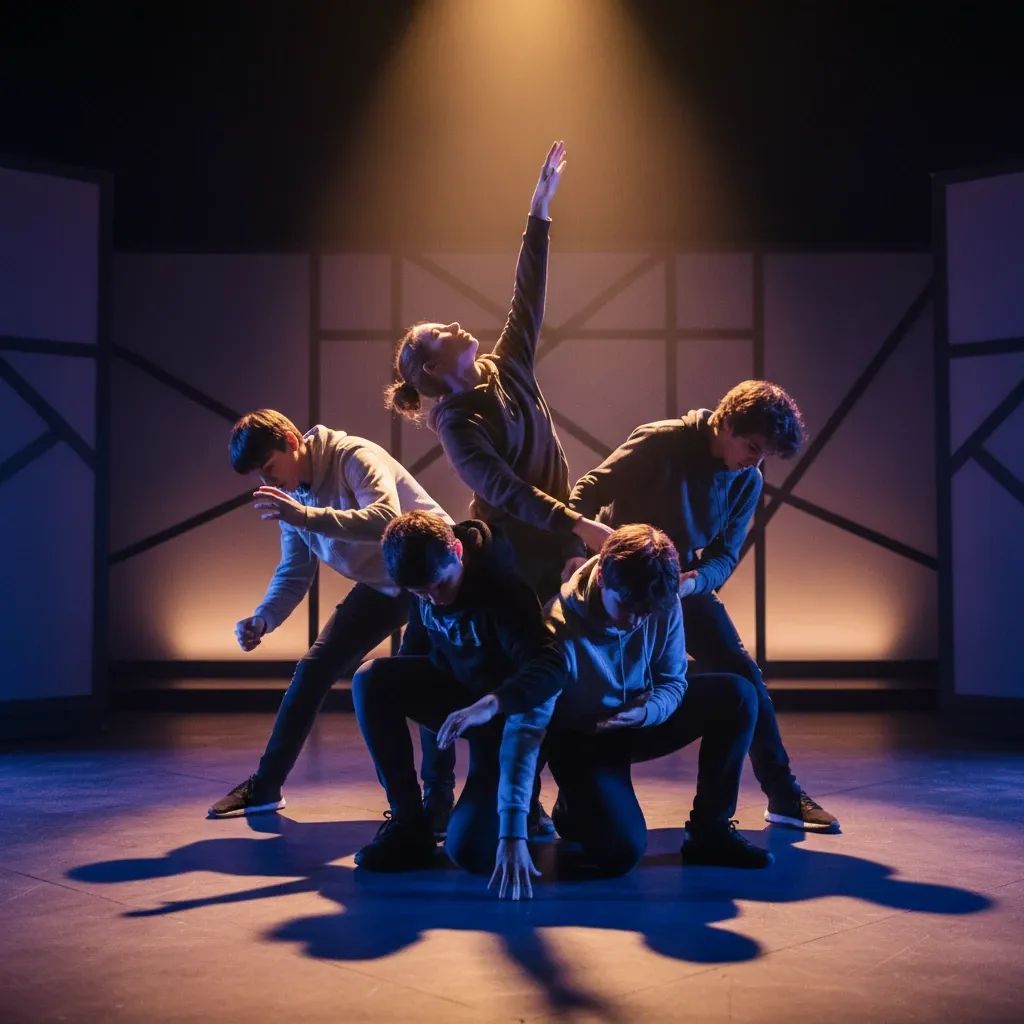
Students at St Benedict College Secondary School in Kirkop are staging an emotionally charged drama that tackles the mental health crisis gripping Malta's teenagers head-on. "Page 16," scheduled for May 7 at 7 pm, offers an unflinching look at identity struggles, bullying, and family breakdown through the eyes of Martina, a fictional 16-year-old navigating the turbulent waters of modern adolescence.
Event Details:
• Date & Time: May 7, 7 pm
• Location: St Benedict College Secondary School Theatre, Kirkop
• Duration: Approximately 90 minutes plus forum discussion
• Admission: By donation (all proceeds support Richmond Foundation)
• Followed by: Post-show forum led by broadcaster Peppi Azzopardi
Why This Matters:
The production is entirely conceived and executed by teenagers, offering authentic peer perspectives on issues like addiction, emotional isolation, and identity struggles. Teachers provided guidance, but students drove the creative process—writing dialogue, composing original music, and designing movement sequences. An accompanying music video featuring student-composed songs will launch alongside the theatrical performance.
According to recent surveys, approximately 79% of girls and 61% of boys aged 15 report feeling pressured by schoolwork in Malta. The theatrical format provides teenagers with a non-clinical safe space for processing difficult emotions while strengthening emotional intelligence and resilience.
A Multidisciplinary Mirror to Adolescent Reality
Presented by Benedittu Productions, the performance blends recorded voice, mime, choreography, and symbolic movement to explore adolescent experience. Rather than linear storytelling, the production uses physical theatre techniques to represent the internal chaos teenagers often feel but struggle to articulate.
The broader context matters: Malta's education sector shows stagnating quality indicators and rising absenteeism, while mental health pressures on young people intensify. The national Personal, Social and Career Development (PSCD) curriculum now incorporates creative expression—drawing, journaling, music, and role-play—recognizing that students benefit from exploring identity through imaginative channels alongside traditional instruction.
The Social Media Amplification Effect
Malta registers one of the highest rates of intensive social media use among 15-year-olds in Europe. Platforms cultivate what psychologists term "comparison culture," triggering inadequacy, diminished self-esteem, and anxiety. Cyberbullying, online conflict, and exposure to harmful content further complicate the adolescent experience. The pursuit of external validation through likes and followers creates a precarious metric of personal worth, while excessive screen time correlates with sleep disruption and weakened concentration.
Theatre as Peer Education Tool
Research consistently demonstrates that student-led theatre builds emotional intelligence, social skills, confidence, and empathy. By portraying different characters and experiencing diverse narratives, students view the world through lenses beyond their own. For LGBTQI+ youth and young people from diverse ethnic backgrounds, theatre offers valuable space to gain confidence in personal identity and foster belonging.
Support and Participation
Those attending should be prepared for frank depictions of mental health struggles, family dysfunction, and adolescent distress, though symbolic rather than graphic representation is employed. The post-show forum creates space for community dialogue about issues the production raises.
To support youth mental health initiatives beyond attending, contact the Richmond Foundation directly for information on volunteer opportunities, professional training programs, or ongoing donations. The foundation operates Malta's primary suicide prevention helpline and provides counseling, psychotherapy, and community mental health services across the island.