A young Scottish tourist remains in a medically induced coma at Mater Dei Hospital following a three-storey fall from a building in Mellieħa on 24 May 2024, prompting his family to launch an emergency fundraiser that has already surpassed £10,400 as they face mounting medical costs and an uncertain timeline for recovery.
Zak McGowan, 21, from Paisley, was on the final night of a holiday with friends when the incident occurred. He sustained catastrophic injuries including severe head trauma with brain swelling, a fractured spine, a shattered left shoulder, a dislocated knee, and multiple breaks to his right arm and hand. Medical staff at Mater Dei have warned his mother, Carrie-Ann McKenzie, that her son "will be a different boy when he wakes up" due to the neurological impact of the fall.
Why This Matters
• Medical Timeline: Doctors plan to attempt rousing McGowan from sedation around 10 June 2024, pending spinal surgery and reduction of brain swelling.
• Financial Burden: The family faces extended accommodation and daily living expenses in Malta while maintaining vigil, with no clear return date.
• Unclear Circumstances: The exact cause of the fall remains under investigation by Magistrate Monica Borg Galea, with the sequence of events still unclear.
• Emergency Response: A passing paramedic provided immediate care, with ambulance arrival within three minutes and blood transfusion administered within 30 minutes.
Extent of Injuries and Recovery Outlook
The severity of McGowan's trauma has required physicians to keep him heavily sedated to stabilize his volatile condition. The brain swelling represents the most critical concern, and doctors cannot fully assess potential permanent brain damage or proceed with surgeries on other injuries until it subsides.
His mother, father John McGowan, and grandfather Johnny flew to Malta immediately after the incident and have been maintaining a constant bedside presence. Medical professionals have indicated the recovery period will be lengthy and unpredictable, with the family preparing for what could be several weeks or longer in Malta.
The spinal fracture requires surgical intervention before doctors can safely reduce sedation. The combination of neurological and orthopedic injuries means McGowan faces multiple procedures and an extended rehabilitation process, even after he regains consciousness.
Fundraising Response and Financial Pressure
Friends and family established a GoFundMe campaign with an initial target of £12,000 to cover escalating costs. The fundraiser has already collected over £10,400, reflecting widespread support from the Paisley community and beyond.
The funds are earmarked for ongoing medical treatment bills and the family's daily expenses while residing in Malta during McGowan's hospitalization and recovery. For foreign nationals requiring prolonged hospitalization, costs can escalate significantly, particularly when families must relocate temporarily to remain close to a critically injured relative.
The McKenzie and McGowan families face accommodation costs, meals, transportation, and other living expenses in an unfamiliar country, with no certainty about when they might be able to return to Scotland. The fundraiser provides essential financial support during what is already an emotionally overwhelming period.
Investigation into Circumstances
The exact sequence of events leading to the fall remains unclear. Magistrate Monica Borg Galea is conducting a formal inquiry into the incident, standard procedure for serious accidents involving tourists in Malta. This investigation will examine the physical condition of the property, whether safety standards were met, and the circumstances immediately preceding the fall.
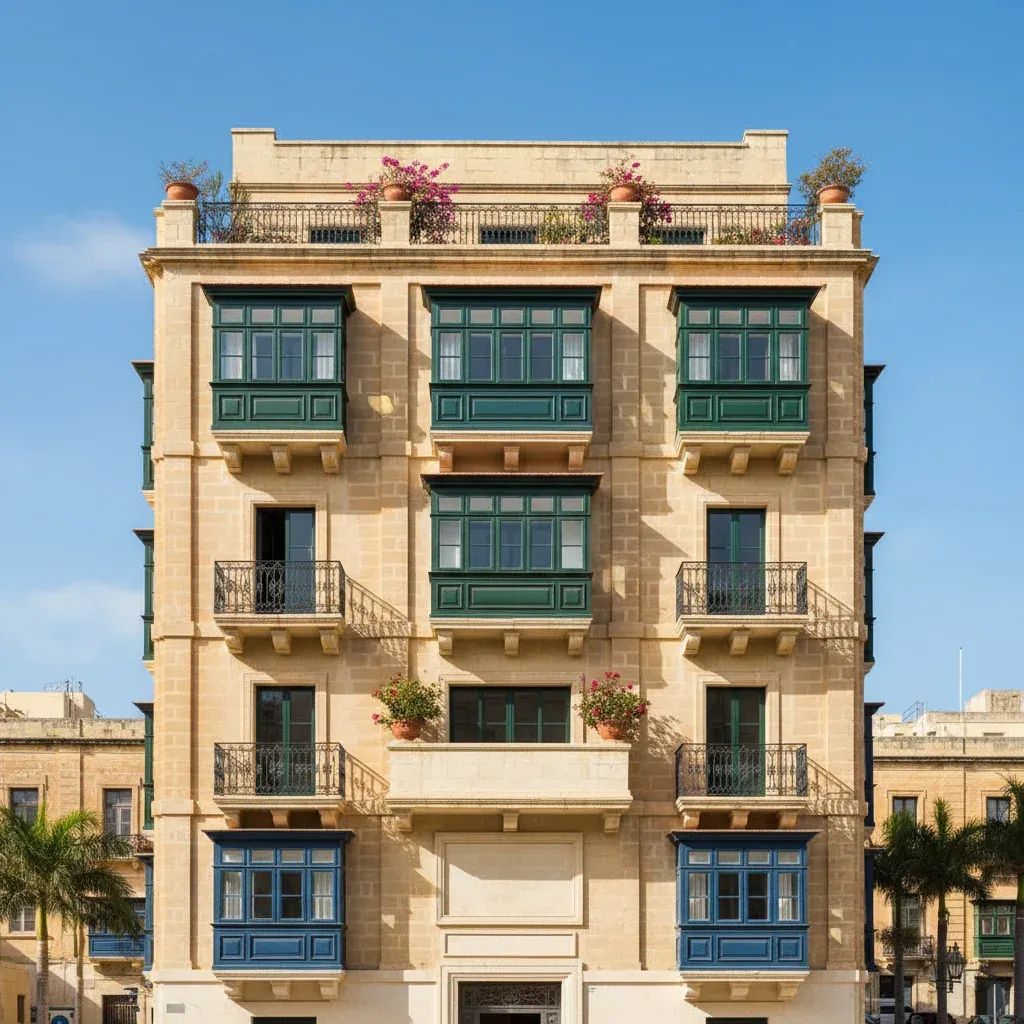
McGowan reportedly fell from a building in Mellieħa, a popular resort area in northern Malta known for its beaches and tourist accommodations. The investigation will determine whether the fall was accidental and what role, if any, property conditions played in the incident.
Emergency Medical Response
One factor that may have prevented an even worse outcome was the fortuitous presence of a paramedic who happened to be passing the scene at the time of the fall. This individual provided immediate stabilization before an ambulance arrived within three minutes—a response time that meets international emergency service benchmarks.
Within 30 minutes, medical personnel had administered a blood transfusion, critical for a patient suffering from traumatic injuries with likely internal bleeding. The rapid response likely stabilized McGowan enough to survive transport and initial treatment.
Malta's emergency medical services are generally well-regarded, particularly in tourist areas where infrastructure is concentrated. Mater Dei Hospital, the island's main public facility, handles the majority of serious trauma cases and maintains specialized units for neurological and orthopedic emergencies.
Long Road Ahead
Even if McGowan's sedation is successfully reduced around mid-June, the family faces months or potentially years of rehabilitation. Head trauma of the severity described often results in cognitive changes, personality shifts, and physical limitations that require intensive therapy.
The warning from medical staff that he "will be a different boy" reflects the reality of severe traumatic brain injuries, which can alter memory, motor function, emotional regulation, and other fundamental aspects of a person's functioning.
His multiple orthopedic injuries—the spinal fracture, shattered shoulder, dislocated knee, and broken arm and hand—will each require their own recovery timelines, potentially including additional surgeries, physical therapy, and occupational rehabilitation.
The family's immediate focus remains on getting McGowan through the critical acute phase, then addressing the long-term rehabilitation needs that will follow. The fundraiser continues to accept donations as the financial demands extend far beyond the initial estimate.