
A Nightclub Confrontation Ends With Suspended Prison Time and Hard Questions About Escalation
The Malta courts have sentenced two men from Siġġiewi for an Easter 2026 incident that spiraled from a personal disagreement into criminal violence at one of the island's most celebrated nightlife venues. The outcome—a suspended sentence for one brother and probation for the other—reflects judicial attempts to balance punishment with the messier reality of how quickly social friction can turn dangerous in crowded environments. Both Melvin Montesin, 36, and Roderick Montesin, 38, now operate under restraining orders that legally prohibit contact with their three victims.
Why This Matters:
• When everyday tools become weapons: The use of a construction grinder as an intimidation device raises practical questions about venue security and how quickly ordinary situations can cross into criminal territory
• Previous bail conditions were breached: Melvin faced charges while already under court-imposed restrictions from earlier proceedings—a pattern suggesting monitoring limitations
• High-profile venues aren't immune: This represents the second serious assault conviction at Gianpula in consecutive years, prompting conversations among safety advocates about crowd management and security standards
The Anatomy of an Evening Gone Wrong
Easter Sunday, April 5, 2026, started as a celebration at Gianpula, a trendy clubbing destination popular among both locals and international visitors. Two sisters and one of their boyfriends were enjoying themselves when Melvin Montesin, also present that evening, became the focus of an uncomfortable moment. One sister approached him directly with a straightforward demand—leave her sibling alone. The boundary was clear. His response was to argue.
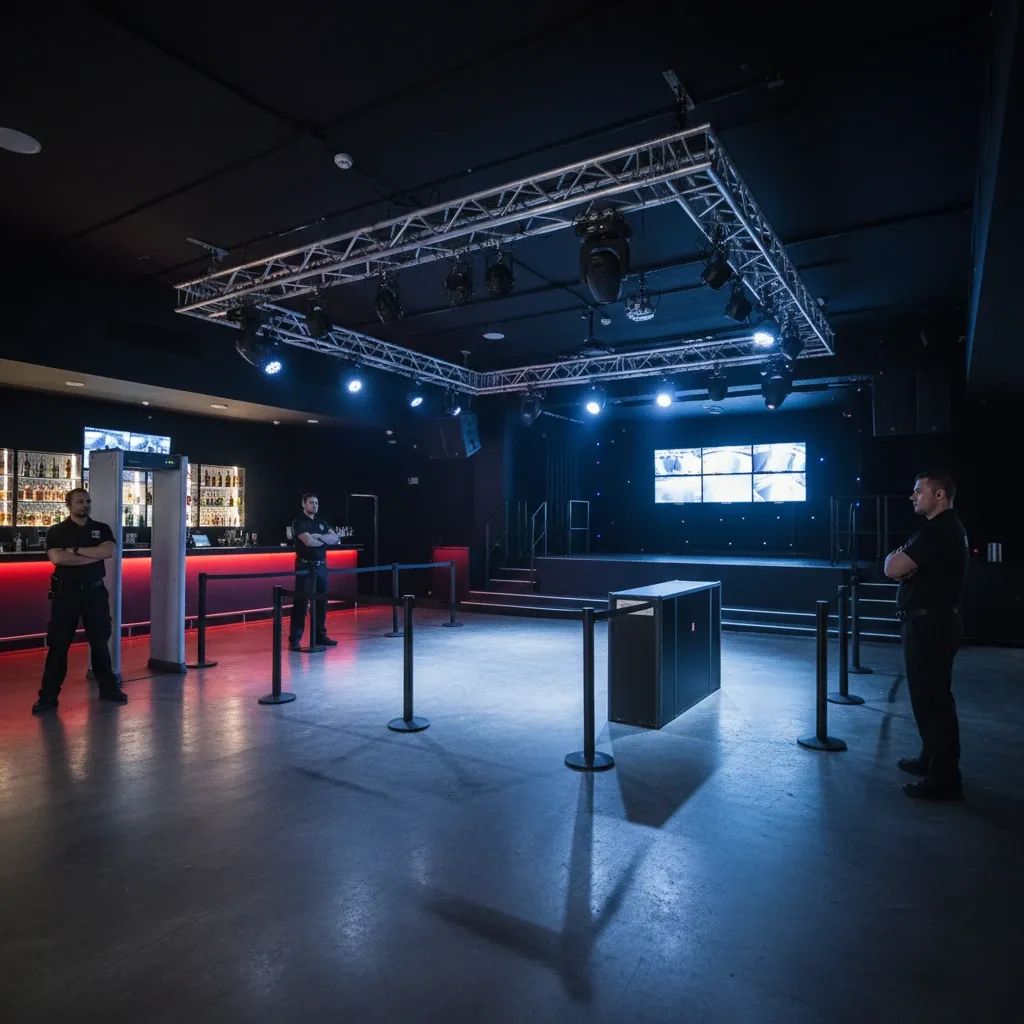
Venue security made the call to defuse the tension by escorting the individuals involved outside. What happened next transformed a regrettable disagreement into criminal conduct. Still agitated, Melvin allegedly seized a construction grinder—a grinding tool typically used for metalwork—and brandished it in a deliberate manner designed to threaten. Police records confirm the tool was not used to strike anyone, but the psychological message was unmistakable: this man was prepared to cause physical harm.
The Malta Police arrived to find the brothers had already departed. One of the sisters reported a minor injury. The boyfriend reported being struck. All three victims stated they felt genuinely threatened and subjected to verbal abuse. What might have remained an embarrassing altercation had transformed into assault with intimidation.
An arrest warrant was issued the next day. Officers located both men on Monday. By Tuesday morning, they faced Magistrate Kevan Azzopardi in court. Melvin carried the more substantial indictment: charges of slightly wounding one victim, injuring the boyfriend, causing reasonable fear of violence, making threats and insults, and—notably—breaching two separate sets of bail conditions. One of those earlier conditions had been imposed in February 2026, just weeks before the Easter incident.
Why Their Sentences Diverged So Dramatically
Both men entered guilty pleas immediately, a choice that streamlines court proceedings and typically results in more lenient sentencing than conviction after a contested trial. Yet the bench clearly distinguished between their roles.
Police Inspector Roderick Attard's submissions painted Roderick Montesin as peripheral to the incident. Witnesses barely mentioned him. Initial accounts suggested he'd attempted to calm his brother rather than escalate matters. During the exterior confrontation, he threw some punches at the boyfriend—the prosecution acknowledged he was probably intoxicated—but he didn't initiate the incident and didn't handle the grinder. His criminal record included prior drug-related convictions, but didn't outweigh the prosecution's assessment that his involvement was secondary.
The prosecution itself requested probation, and the court agreed: a two-year probation period with accompanying supervision requirements.
Melvin's case followed an entirely different trajectory. Inspector Attard emphasized to the bench that this incident was caused by the accused. Melvin grabbed the tool. Melvin escalated the external confrontation. He targeted the victims with threats and insults. Defense counsel requested a three-year probation order, but the magistrate rejected that approach. Melvin received 13 months imprisonment, suspended for three years, meaning he avoids actual incarceration provided he remains free of further criminal convictions during that probation window. He was simultaneously fined €500 and ordered to forfeit €2,000 accumulated from bail deposits in his other pending cases. A treatment order was imposed, signaling the court's view that he requires behavioral intervention. Both brothers are now legally prohibited from contacting their three victims, with violation itself constituting a criminal offense.
Gianpula's Recurring Problem
Gianpula occupies a contradictory position in Malta's entertainment landscape. The venue is popular internationally and attracts significant clientele seeking upscale nightlife. Yet it has simultaneously become a location for serious violent incidents at a frequency that outpaces comparable establishments.
A parallel incident occurred in 2025 when three French nationals were convicted of grievously injuring a man at the same location. All three received 18-month sentences suspended for three years, with protection orders issued for the victim.
These aren't typical drunken brawls between acquaintances. Both prosecutions involved weapons or heightened aggression. Both resulted in serious convictions. Both occasions saw victims protected through court orders. Safety advocates have begun asking whether venue management, security protocols, and crowd management practices are calibrated appropriately for the volume and type of clientele Gianpula attracts. Venue operators typically control access, manage alcohol service, and coordinate security response—all factors that influence whether disputes remain verbal or escalate to violence.
What the Sentence Signals
Suspended sentences and probation orders represent the Maltese bench's philosophy: balance punishment with rehabilitation opportunities, particularly when mitigating factors exist or involvement registers as peripheral. Yet the court clearly signaled alarm about Melvin's pattern of breaching bail conditions. The €2,000 forfeiture and treatment order represent judicial acknowledgment that rehabilitation attempts have practical limits when an individual demonstrates persistent disregard for court-imposed restrictions.
For residents accustomed to Malta's generally secure environment—the island ranks among the European Union's safest countries by multiple metrics—cases like this carry disproportionate psychological weight. They occur in spaces marketed and internationally promoted as entertainment destinations. They involve tools most people associate with construction, not criminal violence. They demonstrate that even in relatively secure communities, rapid escalation remains possible when alcohol, prior interpersonal conflict, and individuals with poor impulse control intersect.
The three victims obtained their legal shield through restraining orders. Whether that formal legal protection translates to genuine peace of mind inside venues like Gianpula depends on broader questions about how nightlife operators, security personnel, venue patrons, and law enforcement collectively manage risk in spaces intended for celebration rather than confrontation.


