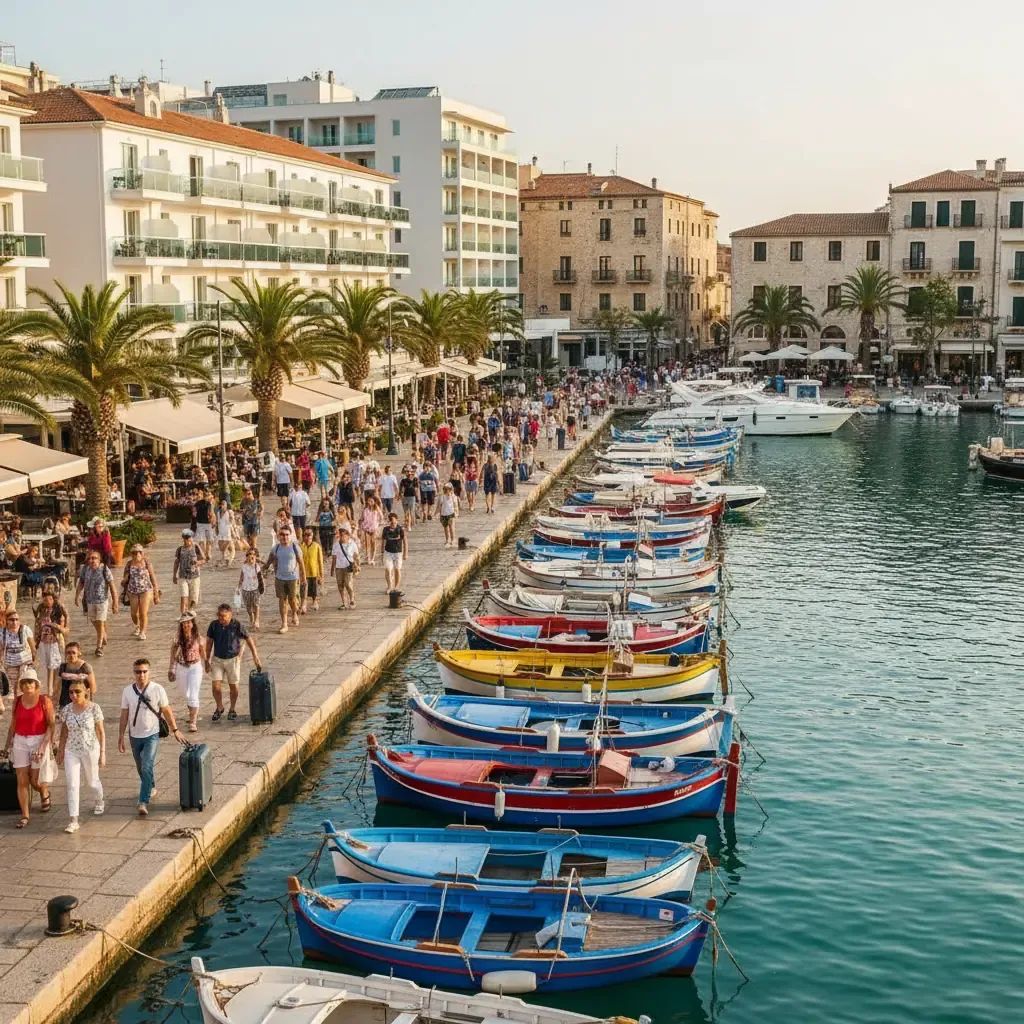
The Maltese government is pivoting away from sheer visitor volume, targeting tourists who stay longer and spend more, as Prime Minister Robert Abela outlined the island's evolving tourism philosophy. The emphasis falls squarely on quality over quantity, with private capital flooding into upscale hospitality projects viewed as a critical endorsement of Malta's economic direction.
Why This Matters:
• Tourism yield is the new metric: Malta earned an average of €971 per tourist in 2025, but early 2026 figures show a slight dip to €800 per visitor for January-May—raising questions about whether growth in arrivals translates to actual spending power.
• Major luxury projects are opening: The €320M Hard Rock Hotel in St Julian's debuts summer 2026, followed by Six Senses Comino in 2027, signaling a push toward high-end infrastructure.
• New regulations tighten standards: From July 2026, the eco-contribution triples to €1.50 per night, and a tax credit scheme incentivizes accommodation providers to upgrade facilities.
Why Malta Is Chasing Premium Visitors
The rationale is straightforward: more tourists do not necessarily mean more prosperity. While arrivals surged in the first half of 2026, industry bodies like the Malta Chamber of Commerce warned that real spending per head has declined, undermining the purpose of record visitor numbers. The government's answer is to recalibrate the entire tourism apparatus around higher-value travelers—those who book boutique suites, dine at curated restaurants, and engage with Malta's UNESCO heritage sites rather than simply occupy budget beds.
This aligns with the Malta Tourism Strategy 2021-2030 and the broader Malta Vision 2050, both of which prioritize sustainable growth over mass-market saturation. The goal is to balance resident welfare with maximizing visitor economic impact, ensuring that tourism enriches rather than overwhelms daily life.
How Malta Stacks Up Against Mediterranean Rivals
Malta's €971 average spend per tourist in 2025 places it mid-tier among Mediterranean destinations. Spain led with €1,392 per visitor, while Italy recorded €930, and Greece trailed at €602 for the January-October 2025 period. Cyprus, a closer peer, logged €822 per trip.
Early 2026 data suggests diverging trends: Spain and Greece saw increases in per-tourist spending during the first half of the year, while both Malta and Cyprus experienced drops. Malta's average slipped to €800 for January-May 2026, a 2.8% decline year-on-year, though spending per night rose 2.4% to €146, indicating shorter but more intensive stays.
The comparison underscores the challenge: attracting visitors who compress their trips but spend more per day requires a destination offering concentrated premium experiences—five-star wellness resorts, Michelin-caliber dining, and culturally immersive activities that justify higher nightly rates.
Private Capital Floods Into Luxury Hospitality
Private investors are betting heavily on Malta's upscale pivot, with a wave of projects scheduled for delivery in 2026 and 2027.
The €320M Hard Rock Hotel in St Julian's, expected to open in summer 2026, represents one of the largest private tourism investments in recent years. The 397-room property will feature extensive wellness facilities and a shopping complex, positioning itself as a flagship destination across Europe, Africa, and the Middle East.
On Comino, the ultra-luxury Six Senses brand is scheduled to debut in 2027 with 71 low-rise suites and 19 standalone retreats, each equipped with private decks and pools. The project emphasizes wellness tourism and farm-to-table dining, targeting travelers willing to pay premium rates for seclusion and service.
Meanwhile, Corinthia Oasis Malta in Għajn Tuffieħa is redeveloping the former Hal Ferh Resort with a €35M investment, creating 162 luxury rooms and 25 serviced villas. Completion is slated for 2026.
Boutique Hotels Reshape Valletta and Beyond
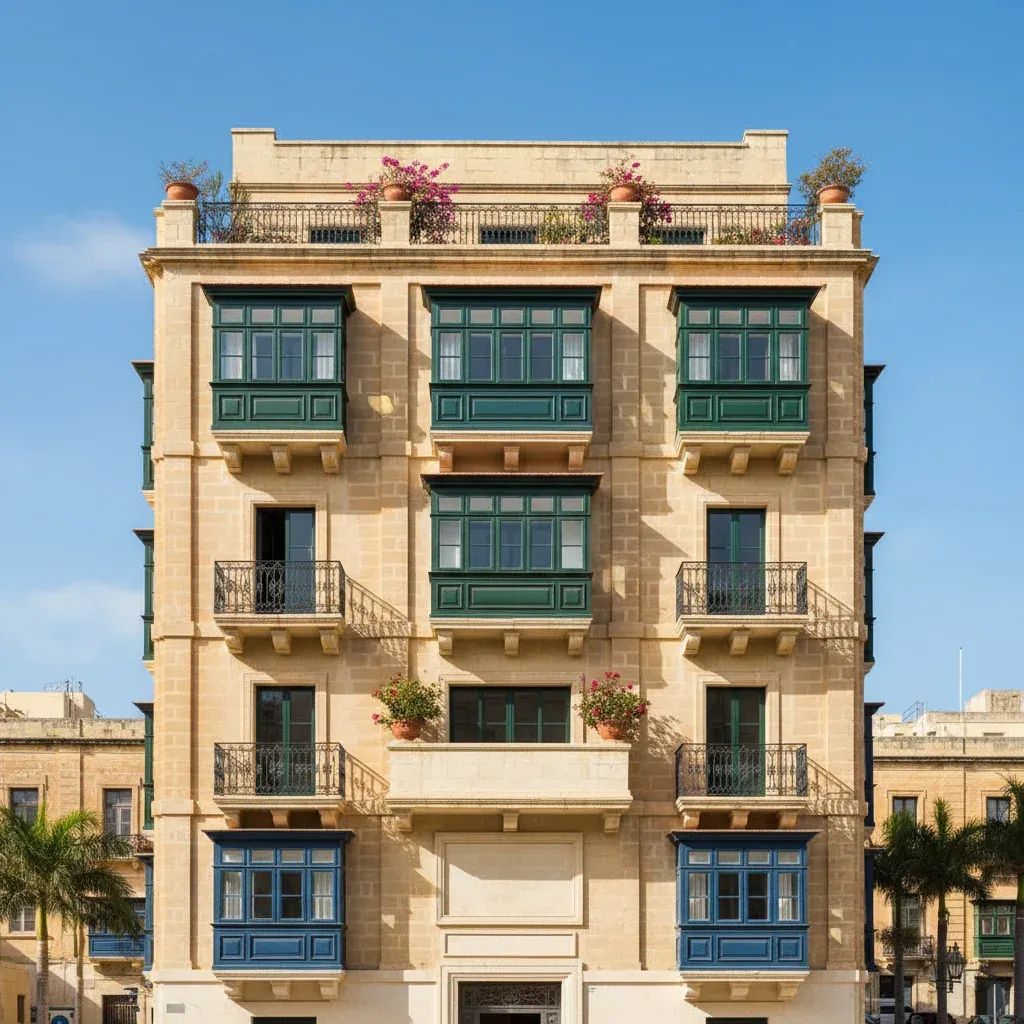
Boutique hospitality is thriving in parallel. Ruby Hotels is opening its first Maltese property in Valletta in early 2026, featuring 88 rooms. The Romègas Hotel, housed in a meticulously restored 500-year-old palazzo, launched in Q1 2026 with 23 individually designed rooms.
In Sliema, Minor Hotels is debuting the NH Collection Sliema, a new-build with 268 guestrooms, a rooftop bar, and a spa, set to open by year-end 2026.
Attard saw the inauguration of Hotel Casa Bonavita in August 2026, a 17-room boutique hotel in an 18th-century townhouse, backed by over €8M in local investment. The project exemplifies the strategy of preserving Maltese architectural character while delivering luxury amenities.
What This Means for Residents and the Local Economy
The shift toward high-value tourism has direct implications for Malta's residents. On one hand, premium visitors theoretically generate more revenue per capita, supporting higher wages in hospitality and retail. On the other, the influx of luxury developments raises concerns about affordability, gentrification, and pressure on public infrastructure.
The tripling of the eco-contribution to €1.50 per night from July 2026 is designed to funnel resources directly to local councils managing tourism's impact—funding waste collection, street cleaning, and public space maintenance in high-traffic areas.
A new tax credit scheme launching July 2026 incentivizes accommodation providers to renovate and upgrade, potentially raising service standards across the board. Meanwhile, a €30M restaurant investment fund offers grants up to €300,000 for product enhancement, employee training, and renovations, aiming to elevate the dining scene.
The Institute of Tourism Studies has launched its Strategic Plan 2026–2030 to develop a skilled workforce capable of supporting the sector's quality ambitions, aligning with Malta Vision 2050's emphasis on education and competitiveness.
The Mediterranean-Wide Trend Toward Premium Tourism
Malta's strategy mirrors a broader Mediterranean pivot. Greece introduced a Special Spatial Framework to overhaul tourism development, imposing construction limits and Airbnb restrictions in Mykonos and Santorini. Italy is implementing entry fees and visitor caps in Venice and Pompeii to curb overcrowding.
The ultra-luxury segment is projected to grow 36% in 2026 and 2027, driven by demand for personalized, authentic experiences. Newly revived properties like COMO Le Beauvallon in Saint-Tropez and Aman Rosa Alpina in Italy's Dolomites exemplify this shift.
The EU's forthcoming Tourism Strategy 2026 emphasizes sustainability, resilience, and inclusivity, with projects like NaTour4CChange focusing on reconnecting tourism with nature in environmentally sensitive Mediterranean territories. The Cross Network Alliance has issued policy recommendations to advance sustainable cooperation, feeding into the EU's strategic framework.
The Risks of Relying on Premium Positioning
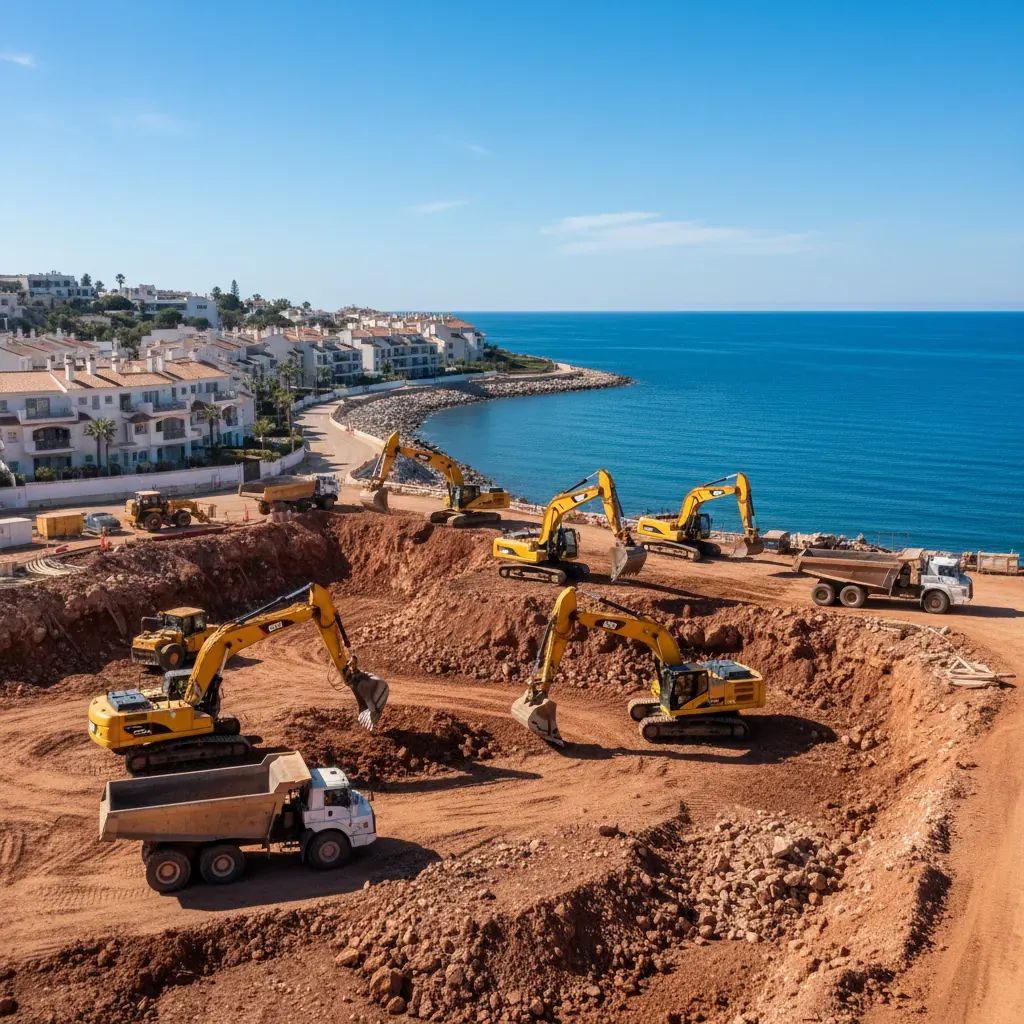
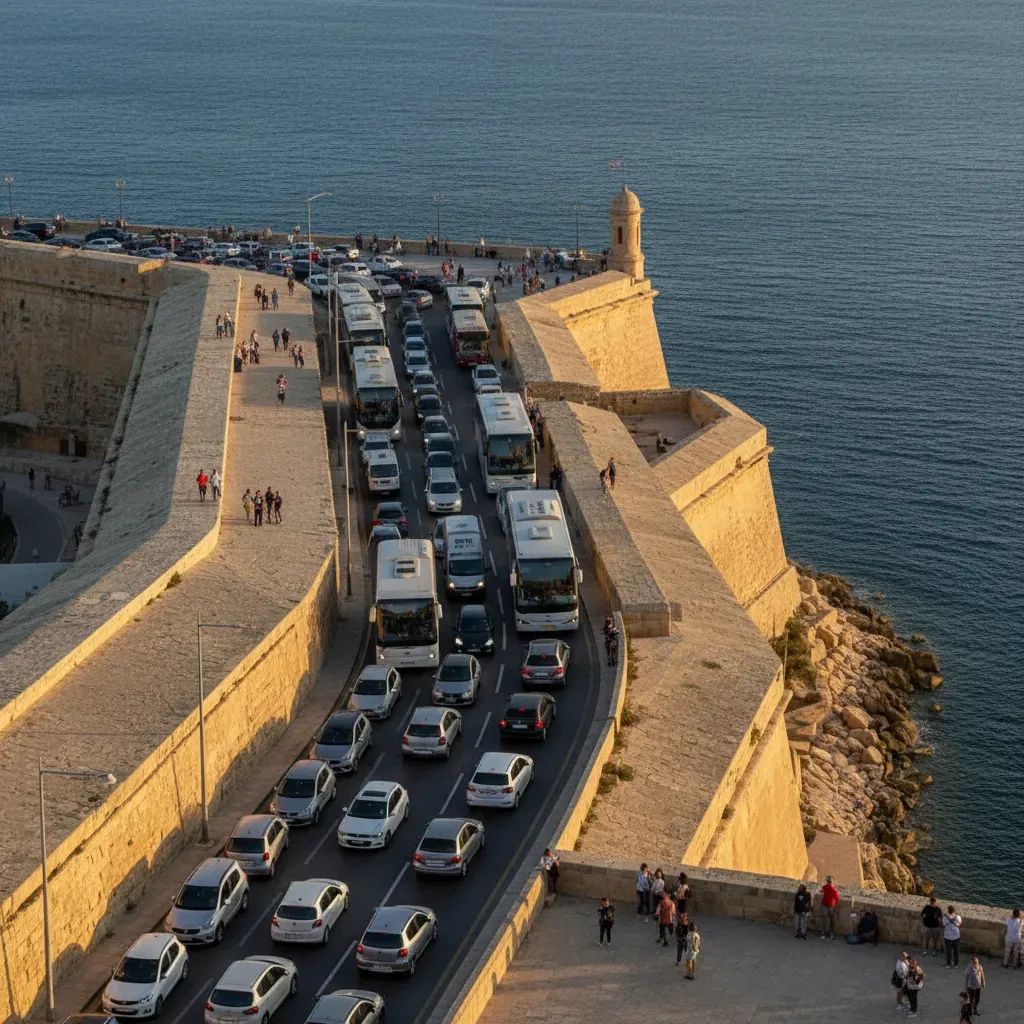
The strategy is not without risk. Attracting high-value tourists requires more than luxury hotels—it demands a high-quality destination overall. That means cleaner streets, reduced construction noise, well-preserved heritage, and efficient public transport. If Malta's infrastructure lags behind its hospitality ambitions, the premium positioning becomes unsustainable.
Industry stakeholders warn that without tangible improvements in traffic congestion, waste management, and urban planning, even the most opulent resorts cannot offset a degraded visitor experience. The government's investment in projects like the Bugibba Square Regeneration and Blue Lagoon Rehabilitation aims to address these gaps, but execution and timing remain critical.
Additionally, the decline in average spending per tourist in early 2026 suggests that simply building five-star hotels does not automatically command higher-value visitors. Malta must also diversify its marketing beyond Europe to long-haul destinations, targeting mature, affluent travelers willing to pay for cultural immersion rather than beach-focused package deals.
What Happens Next
The Malta Tourism Authority is realigning its marketing and sponsorship budgets to focus on value-added events and experiences that highlight Malta and Gozo's distinct culture, particularly during off-peak seasons. The aim is to smooth demand across the calendar, reducing strain during summer peaks while extending the economic benefits of tourism year-round.
New regulations are being introduced to elevate standards across all types of tourist accommodations, including hotels and short-term rentals, ensuring that quality improvements reach the entire lodging ecosystem, not just flagship properties.
The Malta Development Bank offers financing for eligible tourism businesses seeking to refurbish, expand, digitalize, and improve sustainability, while the MTA's EU Funding Unit leverages European Regional Development Fund and Cohesion Fund resources to finance infrastructure improvements and promote sustainable tourism.
The ultimate test will be whether Malta can successfully attract the travelers it seeks—those who stay longer, spend more, and engage deeply with the island's cultural and natural assets—while maintaining the balance between economic vitality and the quality of life for residents. The blueprint is clear; the execution will determine whether Malta's premium pivot delivers or disappoints.