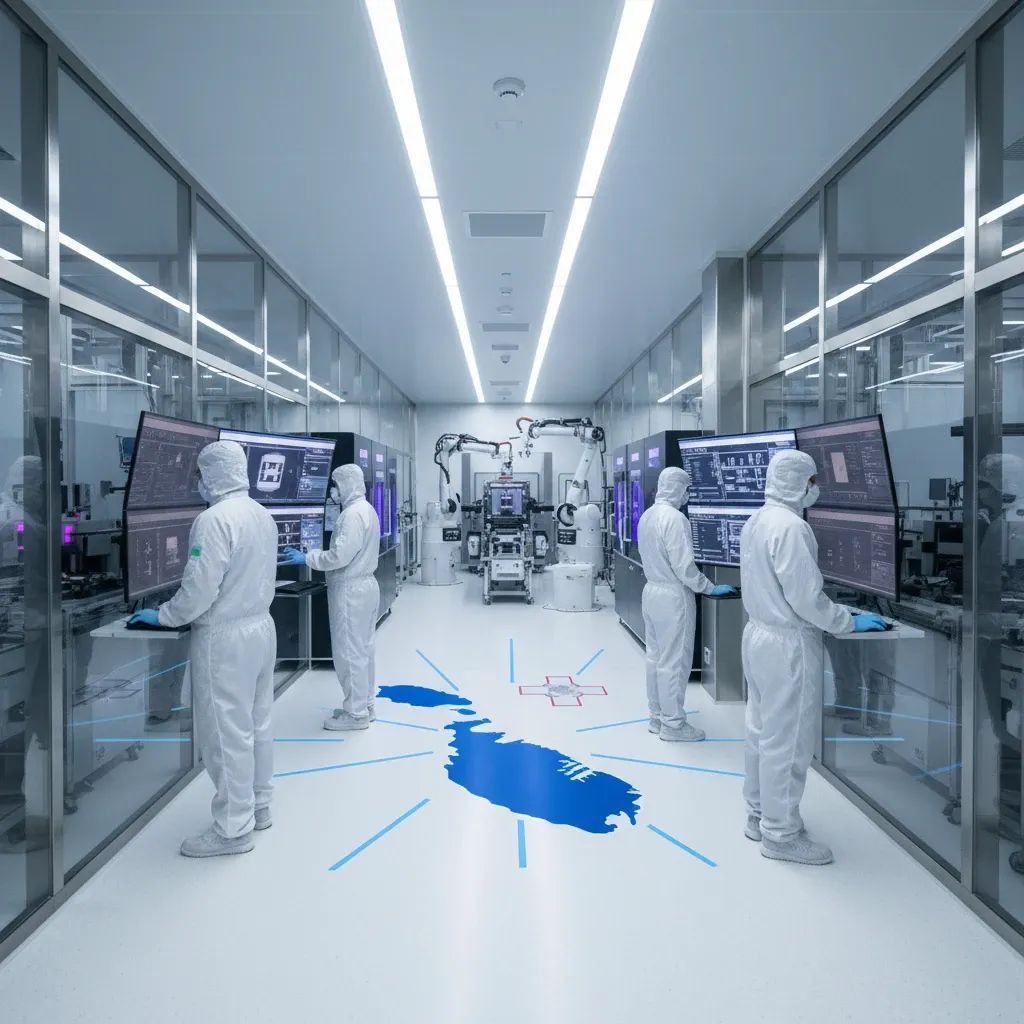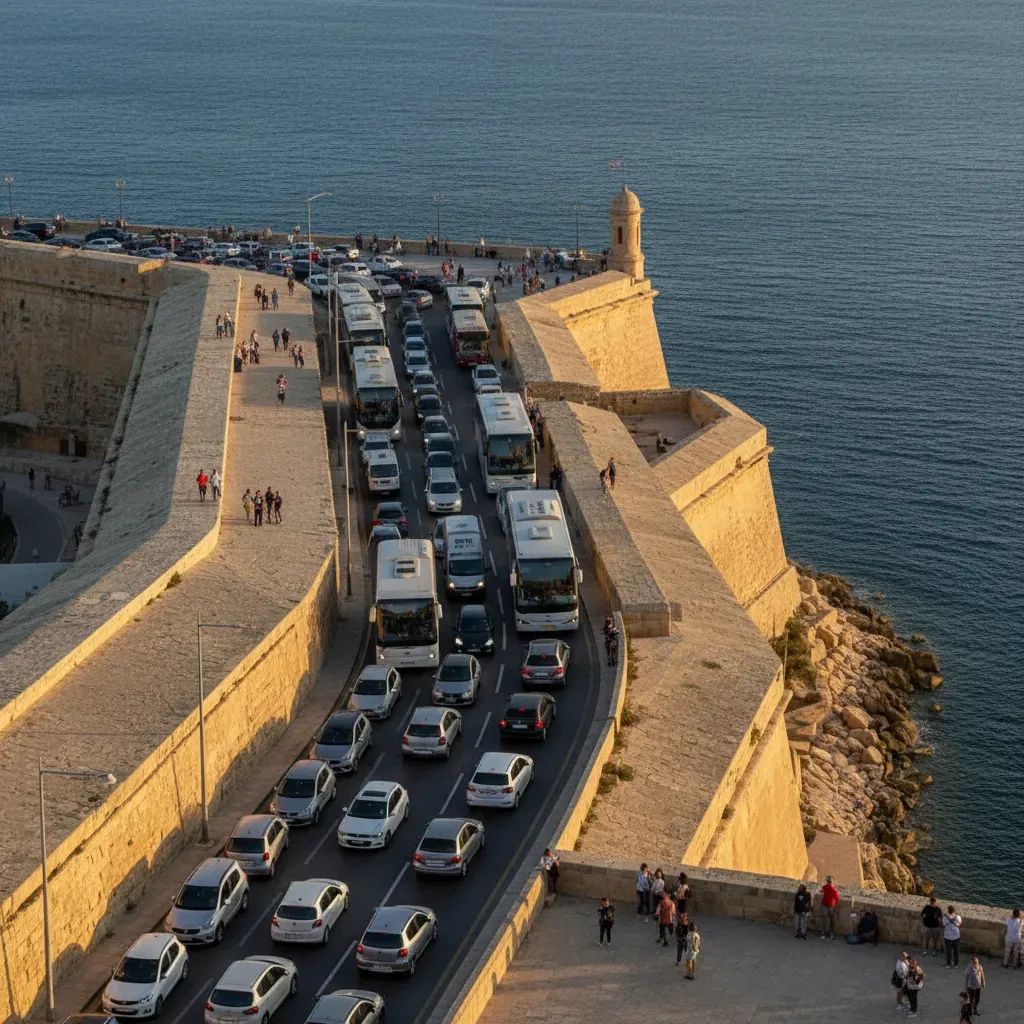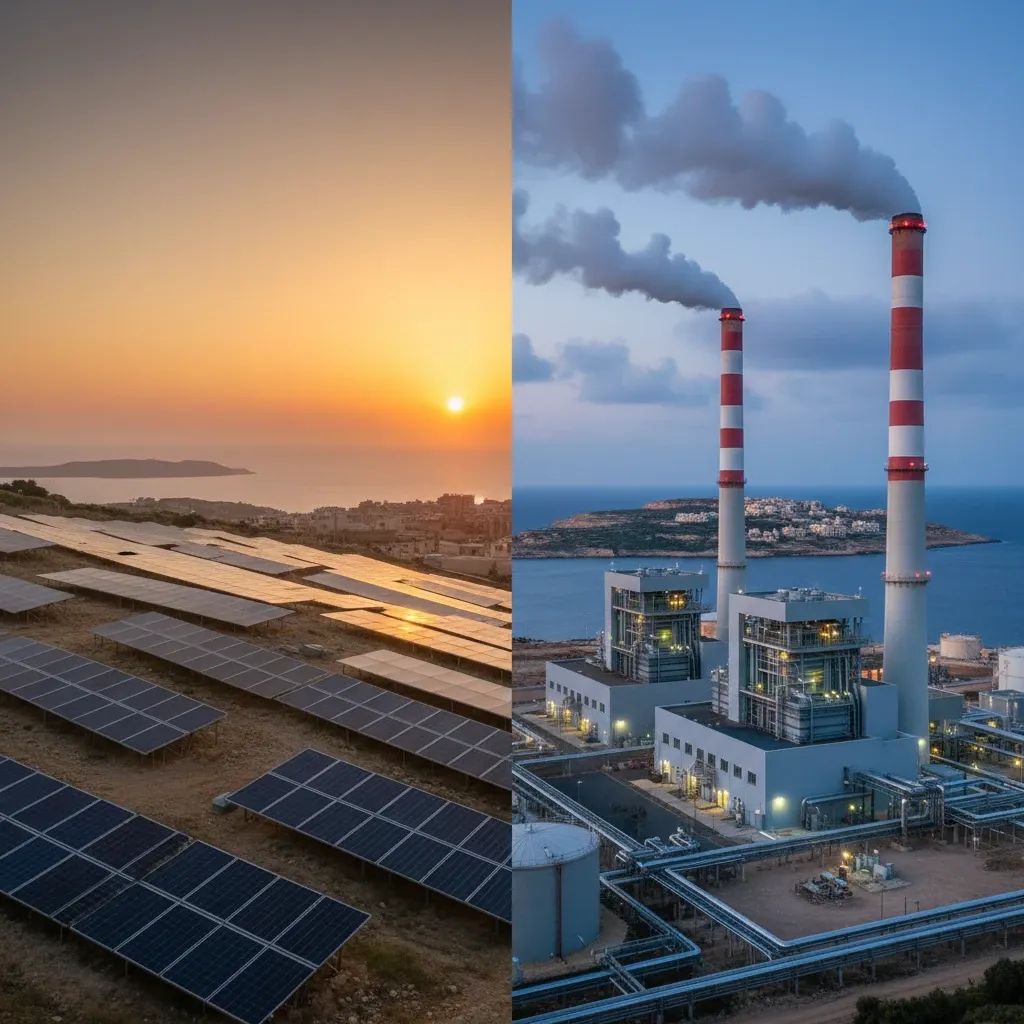
The Malta Government has assembled a €250M financial reserve to shield the island from energy price shocks, but whether this "war chest" can withstand prolonged geopolitical turmoil remains an open question for households and businesses alike.
Why This Matters
• Price protection expires fast: The buffer could absorb a one-month supply disruption, but a three-month crisis combined with winter demand might drain it completely.
• LNG contract deadline looms: Malta's 10-year gas supply agreement with Azerbaijan's SOCAR Trading expires on August 13, 2026, with no replacement publicly confirmed.
• Fuel prices frozen since 2020: Petrol has held at €1.34 per litre and diesel at €1.21 for six consecutive years, sustained entirely by state intervention.
• Total subsidy capacity reaches €400M: The new buffer adds to the €150M Malta already spends annually on energy subsidies.
A Fiscal Shield, Not a Physical Stockpile
Malta's €250M reserve functions as fiscal headroom rather than barrels in storage. The mechanism allows Finance Minister Clyde Caruana to absorb sudden spikes in international oil and gas markets without breaching the European Union's 3% deficit ceiling. Malta projects a 2.8% deficit by 2026, one year ahead of the bloc's 2027 target, and the buffer is critical to maintaining that margin.
This strategy differs sharply from neighbouring Mediterranean states. Egypt, Algeria, and Israel have ramped up domestic liquefied natural gas (LNG) production and offshore exploration to become energy exporters, while Malta—importing 98.3% of its energy—relies on financial instruments and hedging contracts to stabilize consumer prices. The island's energy mix in 2023 comprised 88.1% oil and petroleum products, 9.9% gas, and just 2% renewables, leaving it acutely vulnerable to supply chain disruptions.
The August Deadline and Supply Uncertainty
Malta's primary power station at Delimara runs on LNG delivered under a decade-long contract tied to the Electrogas project. That agreement concludes in mid-August, and Energy Minister Miriam Dalli stated in March that negotiations for a replacement were underway. Prime Minister Robert Abela has publicly assured continuity, citing "robust contingency plans" and hedging agreements, but the Nationalist Party (PN) has pressed for transparency on the replacement contract.
Most of Malta's LNG originates from the Atlantic basin, reducing exposure to Middle Eastern chokepoints like the Strait of Hormuz. However, the island's electricity supply is also tied to imports from Italy, a country that depends heavily on gas for power generation. Any disruption in mainland Europe reverberates directly through Malta's interconnector, which draws a substantial share of the grid's supply from Sicily.
A second interconnector—a €300M investment—is expected by the end of 2026, strengthening grid resilience. A parallel nine-year national plan launched in January aims to modernize distribution infrastructure, including a new 132kV link between Malta and Gozo and expanded distribution centres.
What This Means for Residents
For households, the €250M buffer translates to predictable fuel costs at the pump and stable electricity tariffs, provided geopolitical tensions do not escalate beyond a short-term shock. Government officials have briefed social partners on contingency measures that include "stockpiling of fuels and infrastructure" and "growing storage," though specific reserve volumes remain undisclosed.
The vulnerability lies in duration. A one-month closure of critical shipping routes would likely be manageable through existing hedging contracts and the buffer. A three-month disruption coinciding with a cold winter in 2026-27, however, could exhaust the reserve and force difficult choices: either raise consumer prices or breach the EU deficit limit. Lower-income households would feel the impact first, as energy costs claim a disproportionate share of their budgets.
Businesses reliant on predictable energy pricing—particularly in manufacturing, logistics, and hospitality—face operational uncertainty if the buffer proves insufficient. The six-year freeze on fuel prices has provided unusual stability in a region where volatility is the norm, but that consistency depends entirely on the state's ability to absorb costs.
Renewable Investment and Long-Term Strategy
Parallel to the buffer, Malta's National Energy and Climate Plan (NECP) for 2021-2030 targets 25% renewable energy by 2030, up from 17% in 2024. The government launched a €15.3M renewable energy package for 2026, allocating €4.1M for solar panel systems and €11.2M for battery storage across households and businesses. Grants, feed-in tariffs, and long-term contracts are designed to incentivize private investment in solar and storage capacity.
Offshore wind represents the most ambitious component of Malta's diversification plan. The first project could generate 300 MW, a significant contribution given the island's modest electricity demand. Utility-scale battery energy storage systems are also under development to integrate intermittent renewable generation and maintain grid stability.
Yet the transition faces headwinds. Malta's limited landmass constrains onshore solar deployment, and offshore wind projects require sustained capital, grid infrastructure upgrades, and regulatory approvals that can stretch timelines. In the interim, the island remains tethered to imported fossil fuels and the geopolitical forces that govern their supply.
Storm Damage and Infrastructure Fragility
In January, "Storm Harry" inflicted severe damage on a major blending and storage facility in Malta, disrupting bunker fuel availability for maritime clients. While smaller depots maintained limited deliveries, the incident underscored the fragility of energy infrastructure on an island with constrained redundancy. The Prime Minister subsequently indicated long-term plans for expanded fuel storage, though implementation timelines and capacity details have not been disclosed.
Regional Context and Strategic Divergence
Malta's fiscal buffer strategy contrasts with the resource-driven approaches of Egypt, Algeria, and Israel, which are positioning themselves as energy hubs for Europe. Those countries have intensified offshore exploration and LNG export capacity, leveraging their natural gas reserves to secure both domestic supply and export revenue. The Eastern Mediterranean holds significant hydrocarbon potential, but realizing it requires political stability, cross-border cooperation, and capital—conditions that have historically proven elusive.
For Malta, the absence of domestic reserves dictates a different calculus. The €250M buffer and annual subsidies function as consumer price stabilization tools, preventing panic, hoarding, and inflationary spirals in the event of sudden shocks. Critics argue that this approach, while effective in the short term, postpones the structural reforms needed for long-term resilience: accelerated renewable deployment, energy efficiency mandates, and diversification of supply routes beyond single contracts.
Hedging Contracts and Market Volatility
Malta's government has used hedging contracts to lock in future energy prices, insulating the budget from short-term spikes. These financial instruments provide a cushion when spot prices surge, but they also carry costs and require careful management. If global energy markets remain volatile—driven by Russia-Ukraine tensions, Middle Eastern instability, or disruptions in key shipping lanes—the combination of hedging contracts and the €250M buffer may prove inadequate for extended crises.
The island's reliance on imported energy means external shocks translate directly into fiscal pressure. Unlike jurisdictions with strategic petroleum reserves measured in months of consumption, Malta's buffer is denominated in euros rather than barrels, offering fiscal flexibility but not physical supply security.
The Sustainability Question
The debate over Malta's energy subsidies centres on sustainability. Six years of frozen fuel prices have insulated consumers from global market forces, but the €150M annual subsidy—now supplemented by the €250M buffer—represents a significant and recurring fiscal commitment. If energy prices remain elevated or climb further, maintaining current consumer prices could strain public finances or divert resources from other priorities such as healthcare, education, or infrastructure.
Accelerating the renewable transition would reduce Malta's exposure to fossil fuel volatility, but the island's renewable energy share remains among the lowest in the EU. The €15.3M renewable package for 2026, while a step forward, pales in comparison to the annual subsidy bill. Scaling up solar, wind, and storage capacity requires not only capital but also grid upgrades, land allocation, and regulatory streamlining—challenges that take years to resolve.
Preparing for the Next Shock
Malta's €250M energy buffer offers a layer of protection, but its durability depends on factors beyond government control: the duration and severity of geopolitical crises, global energy market dynamics, and the speed at which the island can diversify its energy mix. For residents and businesses, the immediate outlook is one of price stability, but the longer-term trajectory hinges on whether Malta can transition from fiscal buffering to structural resilience.
The expiration of the SOCAR contract in August will serve as a test of the government's contingency planning. A seamless transition to a new supplier would validate official assurances; any disruption would expose the risks inherent in Malta's concentrated supply model. In the meantime, the €250M reserve remains a fragile shield—sufficient for short shocks, uncertain in the face of prolonged turbulence.