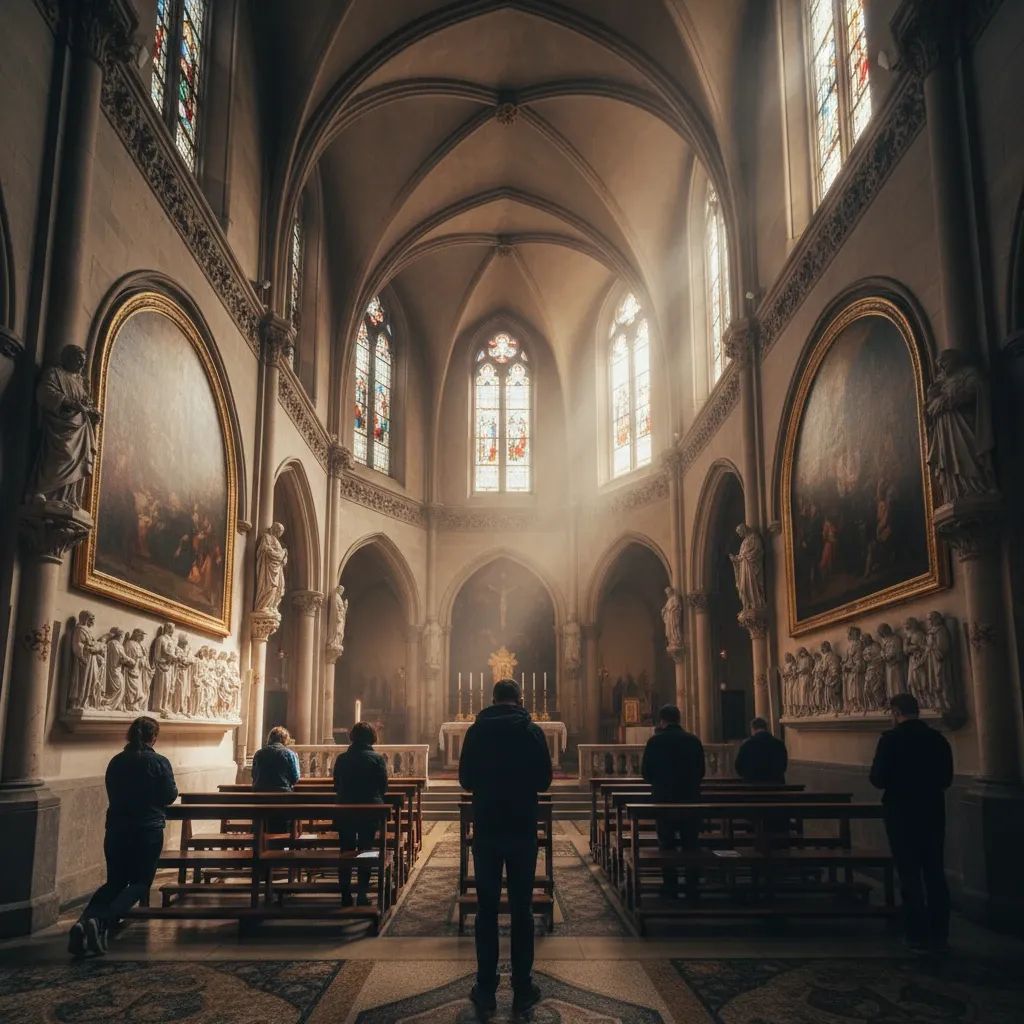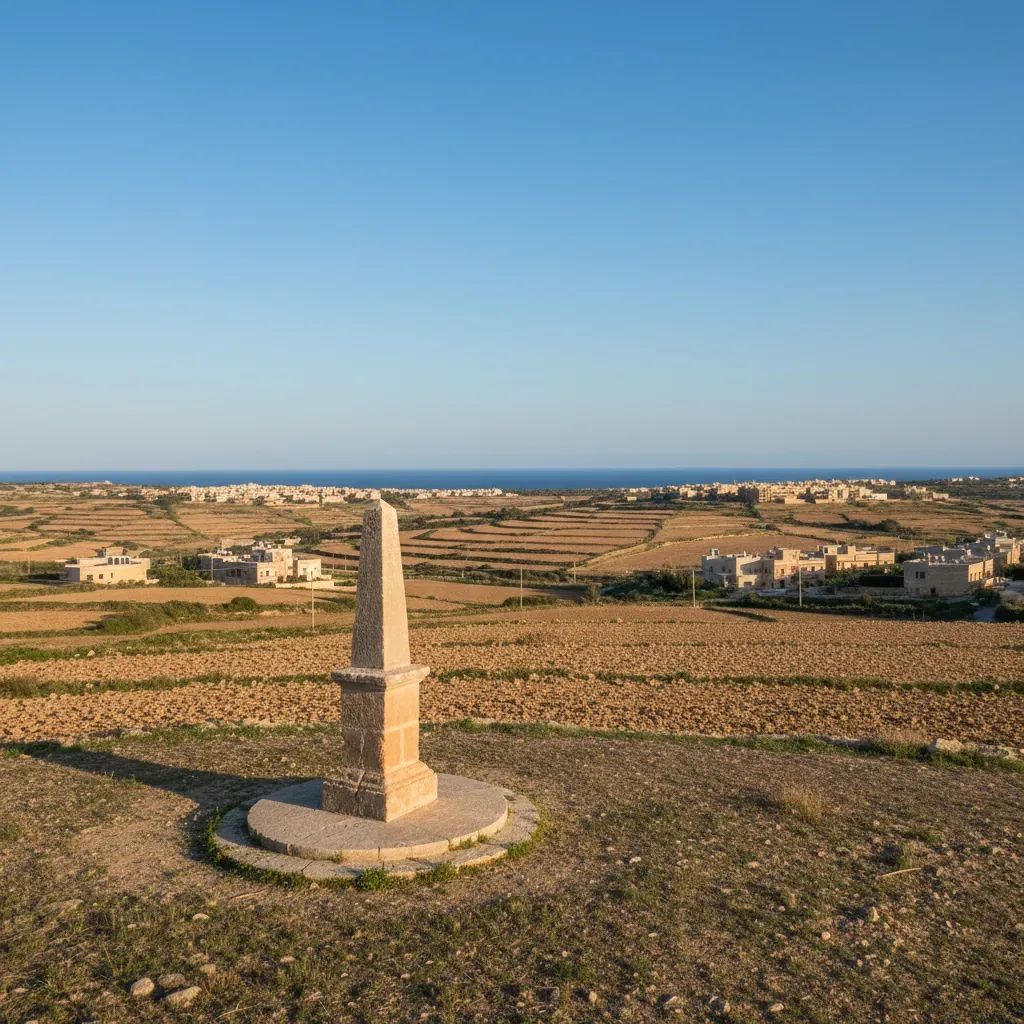
Din l-Art Ħelwa, Malta's equivalent of the National Trust, is the island's leading heritage conservation organization. Founded in 1965, it manages historic sites and challenges development projects that threaten Malta's architectural character. In March 2026, Simone Mizzi received a lifetime achievement award—a recognition that underscores how individual leadership, institutional systems, and sustained advocacy combine to protect what remains of the island's architectural heritage and natural spaces.
Why This Matters to Your Neighbourhood
• Your neighbourhood's density depends on this organization's interventions: When Din l-Art Ħelwa (meaning "This Fair Land," from Malta's national anthem) successfully objects to a planning application, your local infrastructure avoids strain, property values stabilize, and traffic patterns remain navigable. In recent years, the organization's objections have prevented overdevelopment in historic town centres across Malta.
• Conservation strength lies in institutional systems, not just individual leaders: Mizzi's honour marks a deliberate institutional milestone as Patrick Calleja steers the organization—a shift that demonstrates Din l-Art Ħelwa's effectiveness depends on embedded systems that survive leadership transitions.
• Volunteer-powered heritage faces demographic cliff: Roughly 150 unpaid staff manage heritage sites and public access—a model increasingly incompatible with Malta's rising cost of living and youth employment patterns.
The Caruana Curran Doctrine: Law Meets Activism
Malta's most prolific conservation organization did not emerge from government mandate or European funding protocols. Judge Maurice Caruana Curran founded Din l-Art Ħelwa on July 9, 1965—a deliberate moment when independent Malta's first post-colonial decade was experiencing unregulated building booms that razed Baroque townscapes and threatened Mediterranean ecosystems.
Working from the judiciary by day and heritage networks by evening, Caruana Curran engineered a dual-track approach: legal precision rooted in his judicial expertise combined with grassroots public pressure through media campaigns and policy advocacy. The organization's name—derived from Malta's national anthem—signalled from inception that this was a nationalist civic project rather than elitist preservation society.
The strategy worked in ways development advocates did not anticipate. Din l-Art Ħelwa challenged demolition orders, exposed planning violations, and forced developers into restoration negotiations they initially resisted. The Delimara Lighthouse, Wignacourt Tower, Saint Agatha's Tower in Mellieħa, and Msida Bastion Historic Garden became proof that heritage restoration could coexist with property economics and market incentives. International recognition arrived in 2005 when the European Union and Europa Nostra awarded Caruana Curran a Cultural Heritage prize specifically for dedicated conservation services. He channelled the award money directly into lighthouse restoration—a demonstration of his philosophy that recognition should translate into tangible site preservation rather than institutional prestige.
Caruana Curran stepped down from active presidency in 2002 but maintained operational influence as Founder President. His institutional DNA became embedded: legal rigour, media sophistication, coalition-building across political divides, and uncompromising opposition to developments deemed harmful regardless of political party in government. When he eventually passed from active involvement, the organization did not collapse—it inherited his methodology and built upon it.
Mizzi's Stewardship: Navigating Malta's Economic Transformation
When Simone Mizzi assumed executive leadership in 2011, she inherited guardianship over a dozen historically significant properties and an organization already accustomed to confronting government authorities. Her tenure coincided precisely with Malta's economic restructuring: foreign gaming companies opened regional operations, expatriate migration accelerated dramatically, construction activity reached record pace, and planning enforcement struggled to keep pace with application volumes.
The 2010s tested organizational resilience. The 2017 collapse of the Azure Window—a limestone formation featured in international films and tourism marketing—symbolized how erosion and benign neglect could destroy irreplaceable natural monuments despite conservation advocacy. Construction continued at record pace. By 2019, even the Malta government acknowledged the Planning Authority required fundamental overhaul, a tacit admission that established regulatory systems had failed.
Mizzi navigated this turbulence through strategic advocacy intensification. Under her stewardship, Din l-Art Ħelwa expanded objections to planning applications, filed systematic appeals to the Environment and Planning Review Tribunal, and published detailed critiques of zoning decisions. She remained operationally embedded even as formal titles shifted. In July 2015, media reports referred to her as "outgoing president," yet she continued driving organizational strategy. By March 2019, she transitioned to Secretary General when architect Alex Torpiano assumed the presidency—a deliberate restructuring that maintained her institutional continuity while distributing leadership responsibilities across multiple shoulders.
Torpiano led until March 2024, when Patrick Calleja took the executive presidency. The lifetime achievement award presented in 2026 acknowledges Mizzi's role in maintaining organizational momentum through a decade when political instability, economic disruption (including COVID-related construction shutdowns), and regulatory dysfunction threatened to marginalize heritage advocacy entirely.
Measuring Conservation: What Victory Actually Costs and Delivers
For residents navigating Malta's increasingly dense landscape—whether native Maltese, European retirees, or professionals recruited by the economy—Din l-Art Ħelwa's interventions deliver concrete, measurable outcomes beyond aesthetics. When the organization successfully challenges a high-rise proposal near a historic town centre, you avoid cascading infrastructure strain (water systems, sewage capacity), traffic congestion, and the property value depression (typically 5–15% locally) that accompanies abrupt density increases.
The restored and managed properties operate as genuine public goods. The Red Tower, Għallis Tower, and Msida Bastion Historic Garden would likely exist as gated private developments or demolished sites without Din l-Art Ħelwa's custodianship. For families without resources to travel, these spaces represent rare access to coastal heritage outside commercial real estate. Approximately 150 volunteer staff maintain this access—a logistical commitment that underpins the organization's public mission but faces mounting structural pressure as younger Maltese pursue employment in higher-paying sectors.
The Architectural Heritage Awards programme—in its 19th iteration as of December 2025—functions as market incentive rather than government mandate. Property owners undertaking heritage restoration pursue recognition, which enhances property marketability, influences bank lending criteria for renovation loans, and signals municipal authorities that expedited permitting is warranted. The December 2025 awards recognised the MICAS project as best overall (sweeping Major Regeneration, Restoration and Conservation categories), while Valentino Architects and Chris Briffa Architects each won the Prix d'Honneur for distinct rehabilitation projects. The jury's decision to split that award demonstrated exceptional submission quality—a competitive signal that heritage restoration increasingly attracts skilled architectural investment.
The Judge Maurice Caruana Curran Award—the top prize bearing Simone Mizzi's father's name—carries symbolic weight that filters into developer decision-making. When competing projects learn that comparable developments received Din l-Art Ħelwa recognition, they negotiate heritage-friendly compromises rather than face public opposition and regulatory delay.
Where Heritage Meets Climate: An Expanded Mission
Din l-Art Ħelwa has recently broadened its mandate beyond built structures to confront climate adaptation, biodiversity loss, and marine pollution—a strategic pivot reflecting how heritage conservation cannot succeed in isolation on a small island facing resource scarcity and environmental pressure.
A newly constituted core group within the organization now lobbies government ministries, private enterprises, and grassroots networks on environmental policy. This expanded work aligns with international partners including Europa Nostra and the International National Trusts Organisation (INTO), positioning Din l-Art Ħelwa as a key voice in debates over Malta's climate adaptation strategy and the proposed marine spatial planning framework.
For residents, this expansion matters directly. Coastal towers face new threats from rising sea levels and heat stress. Archaeological sites experience damage from changing precipitation patterns. Ecosystem collapse undermines the biodiversity these heritage sites were constructed within. By integrating environmental advocacy into heritage work, Din l-Art Ħelwa is essentially arguing that 17th-century architecture and 21st-century climate resilience require identical institutional attention and regulatory enforcement.
The Volunteer Model's Fragility and Getting Involved
Despite wielding measurable institutional influence, Din l-Art Ħelwa operates on constrained finances sustained through donations, fundraising events, and modest admission revenues from managed sites. This dependency on volunteer labour and modest fundraising has created a structural vulnerability. Malta's cost of living has risen sharply, younger cohorts prioritize employment in gaming, finance, and digital services, and pandemic-related disruptions fractured established fundraising cycles.
For expats considering getting involved in Maltese civil society, Din l-Art Ħelwa offers diverse opportunities—from site stewardship and event coordination to policy advocacy and technical heritage expertise. Many international residents have found that volunteering with the organization provides both meaningful community engagement and deeper understanding of Malta's architectural and cultural landscape.
The lifetime achievement award to Simone Mizzi serves partly as institutional reminder: organizational durability depends on generational succession and cultivation of new advocates committed to unpaid civic labour. Patrick Calleja now steers the organization forward, inheriting both the Caruana Curran legacy and the practical challenge of whether Malta's next generation will sustain volunteer-driven conservation or whether heritage preservation becomes a commercial service divorced from civic responsibility and public access.
The question facing Din l-Art Ħelwa—and Malta more broadly—is whether this model can persist in an economy where affordable housing shortages and employment pressures make volunteering increasingly incompatible with economic survival.