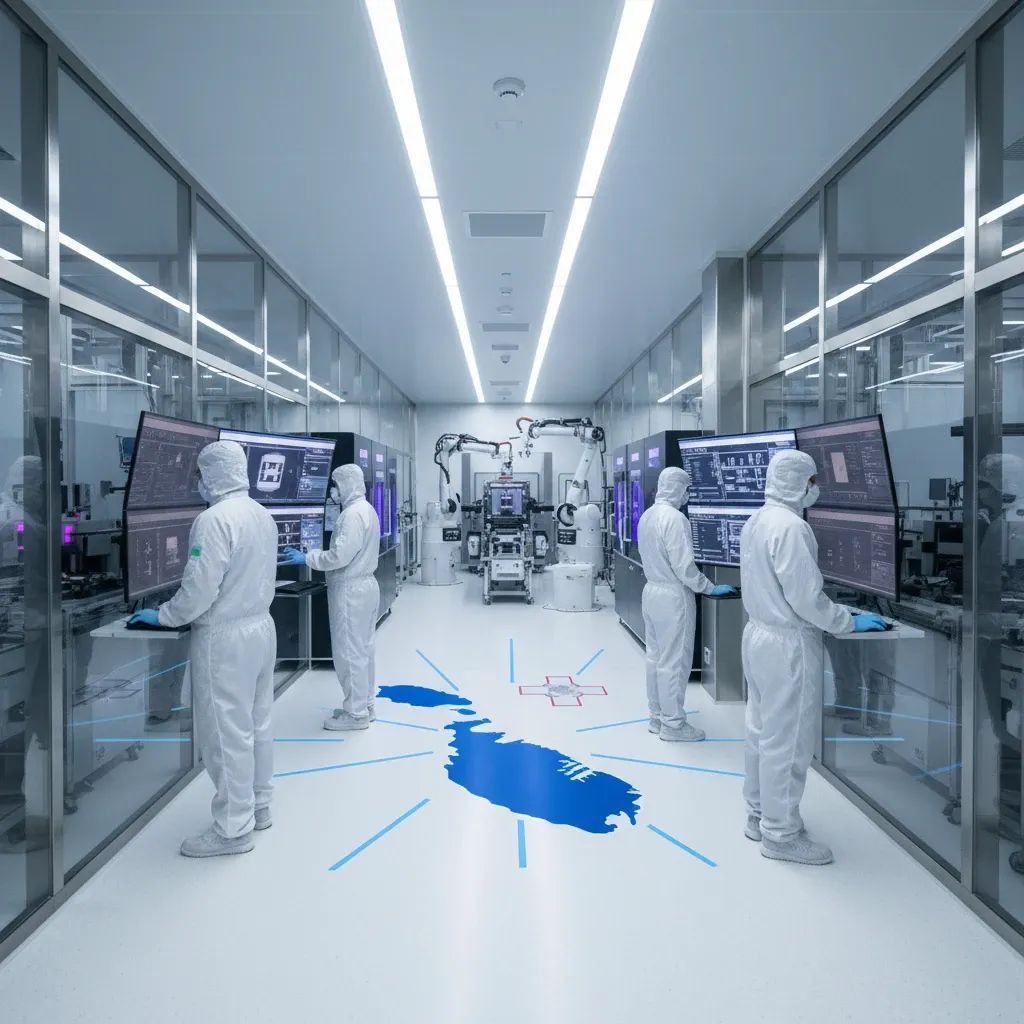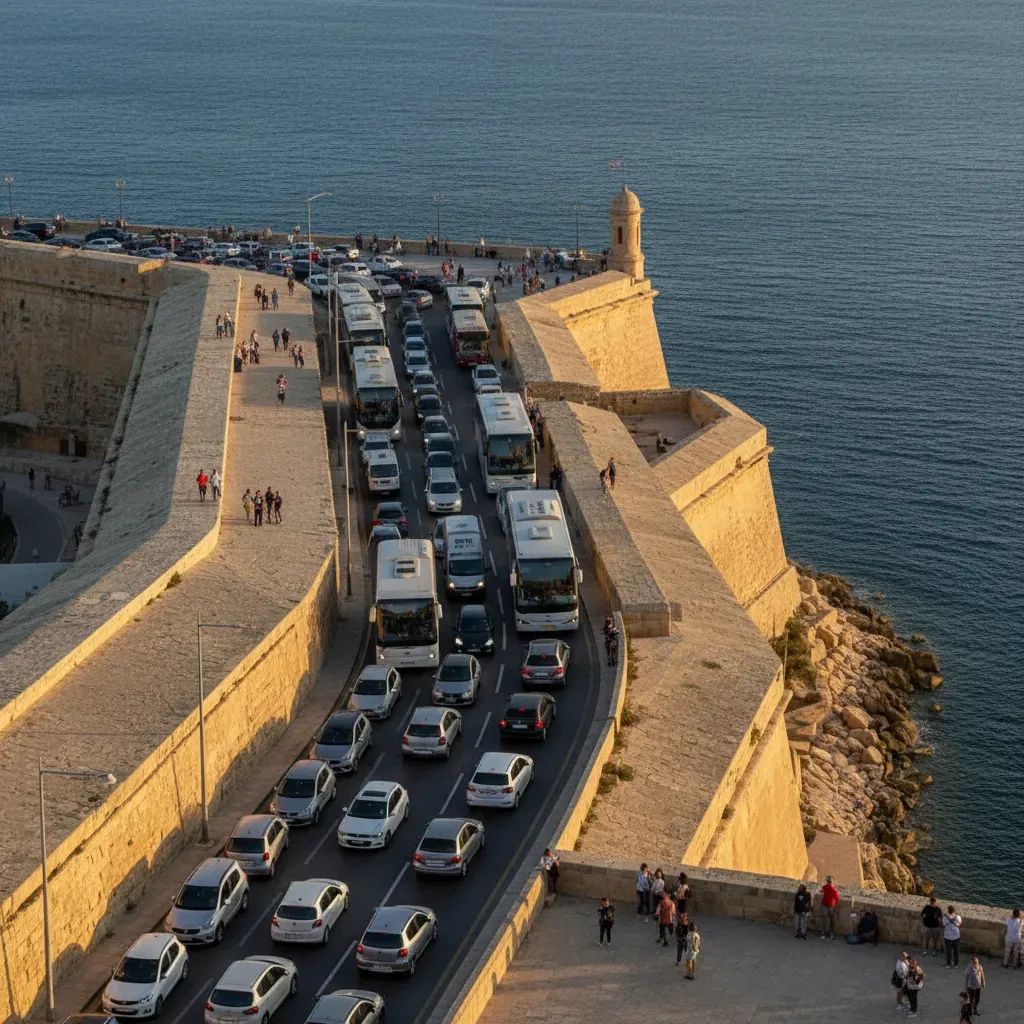
The Malta economy faces mounting pressure from the escalating Iran conflict, a distant war that is reshaping global energy markets, shipping routes, and trade flows in ways that directly affect households, businesses, and government budgets on the Mediterranean island.
Why This Matters:
• Energy subsidies from the Malta government could reach €100 M in 2026 to offset surging oil and gas prices caused by Strait of Hormuz disruptions.
• Shipping delays and rerouted vessels add 10-14 days to transit times, pushing up import costs for an economy where 80% of food arrives by sea.
• Tourism revenues face risk from regional security concerns, even though Malta remains stable and far from combat zones.
• Malta Freeport container volumes could decline if Red Sea and Persian Gulf shipping chaos persists through the year.
Energy Bills Hit Government and Consumers
The Malta Ministry of Energy has committed between €80 M and €100 M this year to subsidize household and business electricity bills, shielding residents from the full impact of Brent crude prices that have surged past $120 per barrel since the February escalation between the United States, Israel, and Iran. While petrol prices are hedged until end-2026 (locked in through financial contracts that fix future prices), diesel remains exposed to market swings, and the government's hedging agreements with international banks are under strain.
Malta imports 45% of its energy from oil and 40% from natural gas, making it one of Europe's most vulnerable economies to Middle East supply shocks. The Strait of Hormuz, through which 20-25% of global seaborne oil and 15-20% of liquefied natural gas normally transit, saw daily vessel traffic collapse by 94% in March—from 120-140 ships per day to fewer than six, according to maritime data. Tanker traffic dropped 70%, with more than 150 vessels anchoring offshore rather than risk passage through the contested waterway.
The European Central Bank has warned that prolonged conflict could trigger stagflation (a combination of stagnant economic growth and rising inflation) across energy-dependent economies like Italy and Germany, pushing them into technical recession by end-2026 (defined as two consecutive quarters of negative economic growth). For Malta, which relies on the Italy interconnector for electricity imports, any slowdown in the euro area translates into weaker demand for tourism and business services.
Supply Chain Chaos Drives Up Import Costs
Malta's import-to-GDP ratio stands at 139.4% (meaning the value of imports each year is nearly 1.4 times the island's annual economic output), one of the highest in the European Union, and the island depends on maritime logistics for nearly all consumer goods. With vessels now forced to reroute around the Cape of Good Hope, adding 10 to 14 days to voyages from Asia and the Gulf, freight rates have spiked. Major carriers have imposed conflict surcharges on top of fuel charges, and those costs are filtering through to supermarket shelves and retail prices.
Disruption extends beyond oil. The Strait of Hormuz is also a key transit point for jet fuel, diesel, ammonia, helium, sulfur, and aluminum. Tungsten prices surged over 140% in March, and aluminum increased 8%, according to commodity market reports. Fertilizer shipments—about one-third of which pass through the Strait—are now delayed or rerouted, raising concerns about agricultural input costs and food security in a country where domestic farming accounts for a tiny fraction of consumption.
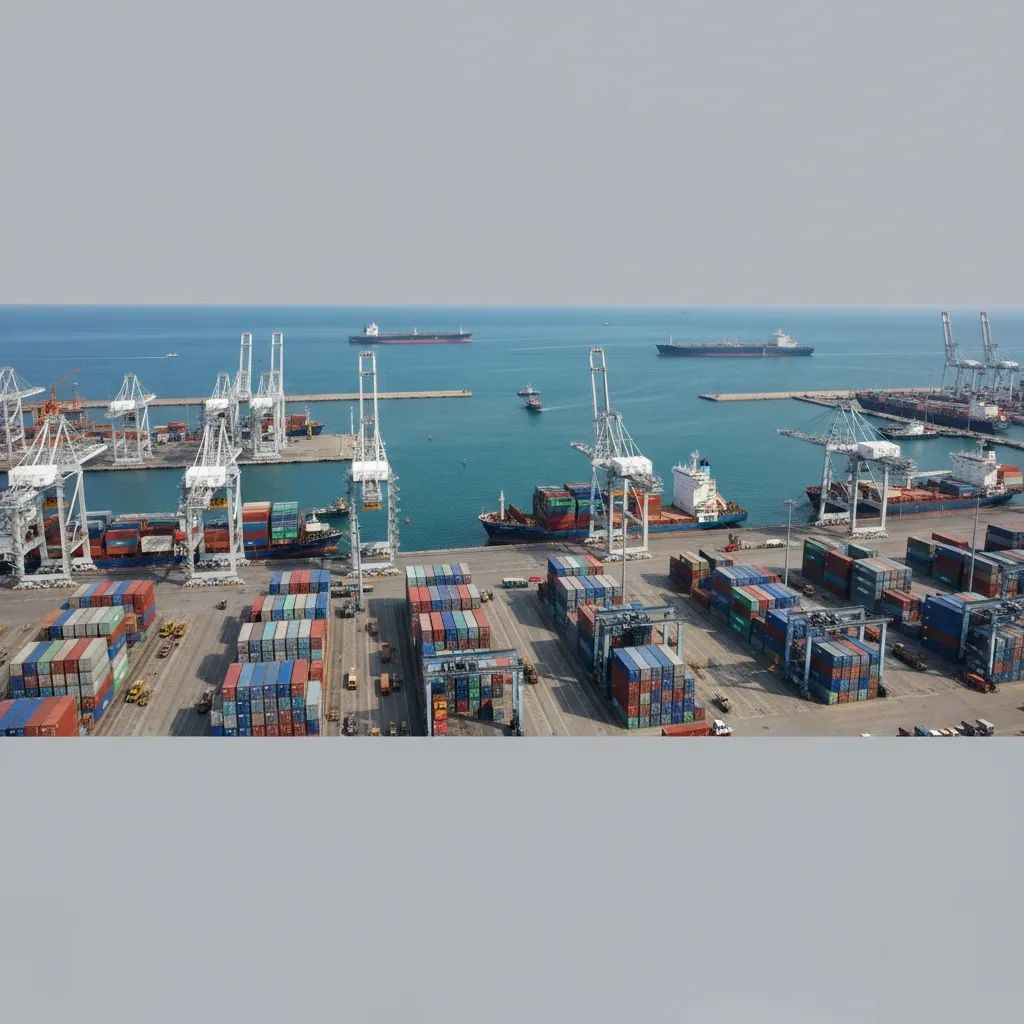
The Malta Freeport, one of the Mediterranean's busiest transshipment hubs, is caught in the middle. While the government has promoted the port as a "safe, neutral logistics corridor", container volumes could decline if global trade flows remain disrupted. Shipping companies are weighing whether to continue using Mediterranean hubs or consolidate cargo at Northern European ports to avoid the uncertainty of Red Sea and Suez Canal routing.
What This Means for Households and Residents
For households, the immediate impact is higher prices. According to International Monetary Fund estimates, global inflation could hit 7.7% this year, close to the 2022 peak. Even with government subsidies capping electricity price increases, utility bills remain significantly higher than 2024 levels, and the cost of imported goods—from electronics to clothing—is climbing as retailers pass on freight and commodity surcharges.
For an average Maltese household consuming around 300-400 kWh per month, electricity subsidies prevent bills from potentially doubling, keeping most household bills within the €80-120 monthly range rather than the €150-180 they might otherwise reach without government support. However, many residents will still see increases of 15-25% compared to late 2025 rates.
Diesel drivers face particular exposure. Unlike petrol, diesel prices are not fully hedged, and road haulage companies have already begun raising delivery fees to offset fuel costs. This ripple effect touches everything from construction materials to grocery logistics. A typical diesel vehicle refueling weekly may see monthly fuel costs rise by €15-30 compared to previous months.
The fiscal burden is considerable. The Malta Budget for 2026 targets a declining deficit and fiscal prudence, but energy subsidies and higher borrowing costs—driven by global debt concerns—complicate that goal. Data from the IMF suggests that higher energy and food prices could push global debt to 100% of GDP by 2029, a level last seen after World War II. For a small, open economy like Malta, any tightening of credit conditions or rise in sovereign borrowing costs could limit public investment in infrastructure, healthcare, and education.
Tourism Sector Walks a Tightrope
Tourism is a cornerstone of the Malta economy, contributing substantially to GDP and employment. The island recorded record visitor spending in 2025 and launched new direct flights to New York in 2026 to diversify its source markets. Yet the sector is inherently sensitive to regional security perceptions.
While Malta remains stable and far from combat zones, broader Mediterranean security concerns can deter international travelers. Travel advisories, dampened confidence, and the cancellation of business conferences—particularly those involving Gulf region participants—pose downside risks. The industry is already pivoting from a "volume over value" model toward quality and sustainability, aiming to mitigate strain on infrastructure, rising property prices, and labor shortages.
Malta's tourism authorities are betting that displaced demand from conflict-affected destinations will benefit the island, but that calculus depends on how long the Iran crisis lasts and whether it escalates further.
Strategic Positioning and Long-Term Resilience
Malta's location between Europe, North Africa, and the Middle East presents both opportunities and challenges. The island's ports and connectivity are valuable during stable times, but geopolitical fragmentation tests those advantages. The government's economic security framework for 2026 includes strategies to strengthen logistics infrastructure and diversify trading partners beyond the European single market, with a focus on Sub-Saharan Africa, Asia, and Oceania.
Energy diversification is also a priority. The planned installation of a second electricity interconnector with Italy by 2026 aims to enhance resilience and reduce dependence on fossil fuels. Malta is also exploring renewable energy projects and strengthened storage plans to maintain stable supply during external shocks.
The conclusion of a major free trade agreement between the EU and India in January 2026 offers potential upside, boosting market access for financial services, maritime transport, telecommunications, and professional services—sectors where Malta has built expertise.
Global Recession Risks Loom
The IMF estimates that global economic growth could slump to 2.5% if the conflict persists for several months, and potentially 2% if it continues into 2027. The European Central Bank has warned that Europe could see GDP growth at least 1% less than previously expected, with energy-dependent economies at greatest risk.
For Malta, which projects GDP growth of around 3.8% in 2026—above EU averages—the external environment presents a clear headwind. Strong domestic demand and a diversified economy offer some cushion, but prolonged instability in the Middle East could make international investors more cautious about committing capital to the island's financial services, technology, and manufacturing sectors.
The regional aviation sector has also faced near-total disruption due to airspace closures, and Gulf economies could experience significant GDP contractions. Iranian strikes on desalination plants have raised humanitarian concerns about drinking water shortages in Kuwait and Qatar, underscoring the broader fragility of the region.
The Fragmented Security Environment
The conflict has created what analysts describe as an "armed peace" transitioning to proxy competition, contributing to increased tension across the broader Middle East and Mediterranean. For a small, neutral country like Malta, navigating this landscape requires balancing its role as a maritime hub with the need to avoid entanglement in great power rivalries.
Maritime insecurity has escalated. Iran's military has a history of threatening and attacking commercial vessels in the Persian Gulf and surrounding waters, and confirmed attacks on merchant ships have been reported alongside sea mine laying, according to shipping security reports. This heightened risk deters shipping and creates severe congestion and instability in regional lanes.
Even if the Strait of Hormuz were to reopen, the logistical stresses and supply shocks could persist for months, with lasting effects on global trade flows. The deliberate use of disruptions as a strategic tool has shattered hopes of a large-scale return of container shipping to the Red Sea this year.
What Residents Can Do Now
Given the ongoing uncertainties, households and businesses should consider several practical steps. Lock in energy contracts where possible, reduce unnecessary consumption where feasible, and maintain a cash buffer for unexpected cost increases. Retailers and logistics companies should accelerate inventory planning and consider sourcing alternatives where possible. For those planning major purchases, the near term may see continued price pressures, with potential moderation only if regional tensions ease significantly.
Measuring the Impact
For Malta, the Iran conflict is a force that touches every part of the economy: the price of groceries, the cost of electricity, the reliability of supply chains, the confidence of tourists, and the competitiveness of the Freeport. The government's subsidies and hedging strategies provide short-term relief, but they cannot insulate the island indefinitely from a global energy crisis. Some economists have compared the current situation to the 1970s oil shocks, which were sustained global economic disruptions.
The challenge for policymakers and businesses is to build resilience without sacrificing growth. That means accelerating energy diversification, strengthening trade links beyond traditional partners, and positioning Malta as a stable, credible hub in an increasingly uncertain region. The coming months will test whether those strategies can weather the storm.