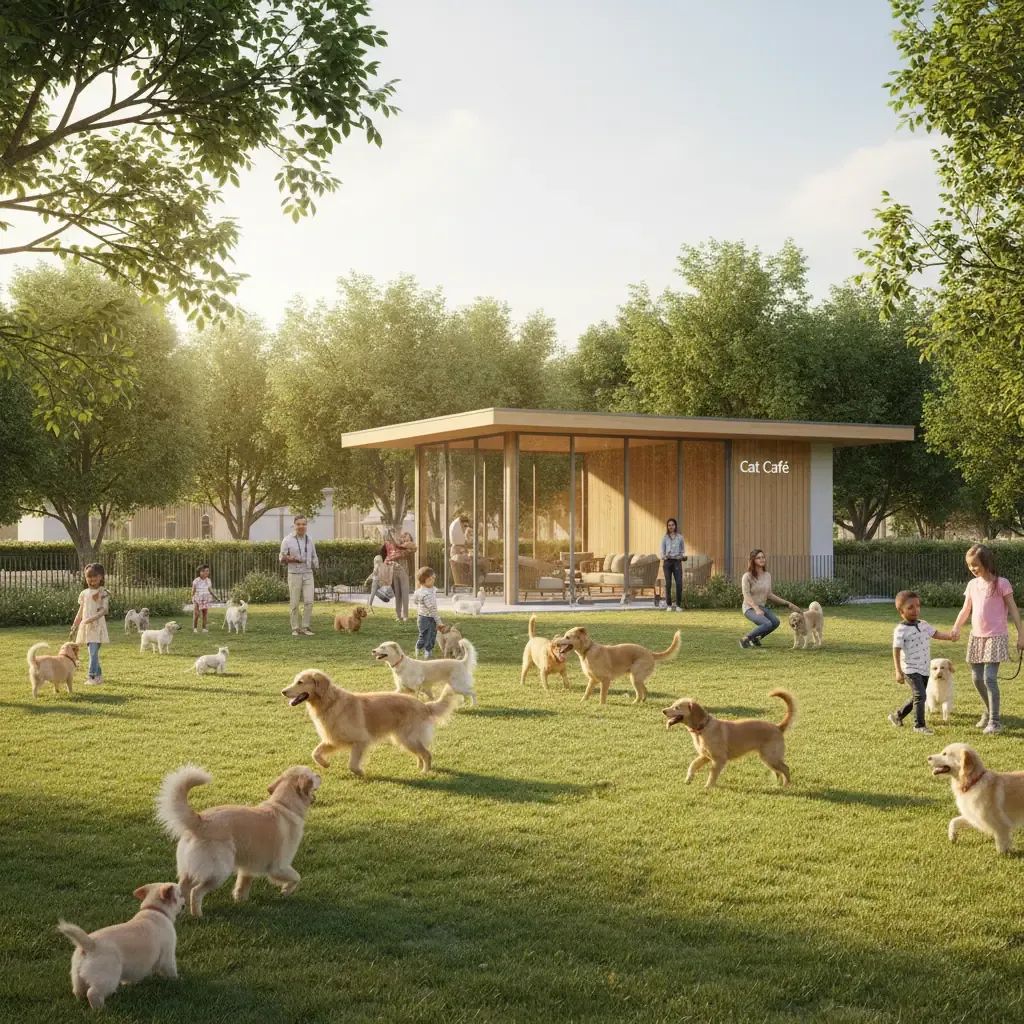
The Malta Government has opened applications for a €750,000 funding scheme designed to transform public spaces into pet-friendly hubs, offering local councils up to €50,000 per project to build dog parks and animal welfare facilities across the islands.
Why This Matters:
• Minimum footprint: Projects must cover at least 1,500 square meters, with 20% reserved exclusively for animals.
• Long-term responsibility: Councils will handle implementation and maintenance, while the government provides the capital.
• Vision 2050 alignment: The initiative ties into Malta's broader strategy to expand open spaces and enhance quality of life for residents and their pets.
What the Scheme Covers
Environment Minister Miriam Dalli and Parliamentary Secretary for Animal Rights Alicia Bugeja Said jointly announced the program, which targets the development of community spaces that integrate recreational facilities for both humans and animals. The Animal Welfare Directorate is administering the scheme and will evaluate proposals based on spatial requirements, feasibility, and alignment with national planning goals.
Each approved project is capped at €50,000, meaning the total budget could support up to 15 initiatives if demand is high. The scheme's structure can draw lessons from successful models in other jurisdictions, where dog park initiatives have included specialized zones for different breeds, water stations, and safety features. Similar initiatives in other countries have seen council funding directed toward animal welfare programs.
What This Means for Residents
For Malta's 68 local councils, this represents a rare opportunity to secure substantial capital for public infrastructure without dipping into municipal budgets. The scheme addresses a growing demand for pet-friendly public spaces in a country where pet ownership has surged in recent years, driven by post-pandemic lifestyle shifts and a rising number of remote workers seeking companionship.
Dog owners in densely populated areas like Sliema, St. Julian's, and Gzira have long complained about the lack of designated off-leash zones, forcing them to travel to rural areas or risk fines for violating leash laws in public gardens. The scheme presents an opportunity to address these gaps in urban areas.
The 20% animal-dedicated space requirement is significant: for a minimum 1,500 square meter project, at least 300 square meters must be allocated exclusively to pet facilities, such as fenced enclosures, agility courses, or shelters. This ensures the funding targets genuine animal welfare improvements rather than cosmetic add-ons to existing parks.
Community and Social Benefits
Pet-centric infrastructure can serve important community functions. Research suggests these spaces reduce social isolation, encourage physical activity, and foster neighborhood cohesion. For Malta, where open space is limited and urban density is high, the scheme could alleviate pressure on existing public gardens while creating specialized amenities that serve pet owners and their animals.
The timing aligns with Malta Vision 2050, which emphasizes sustainable urban development and the integration of green infrastructure into built environments.
Practical Considerations for Applicants
Councils eyeing the funding will need to navigate several logistical considerations. First, land availability: a 1,500 square meter footprint is substantial in Malta's compact urban areas, likely requiring repurposing of underutilized plots or collaboration with private landowners. Second, ongoing maintenance costs: while the government covers construction, councils must budget for staffing, waste management, and repairs — expenses that could strain smaller municipalities.
Successful proposals will likely require site surveys, architectural renderings, and community consultation, all of which take time to compile. Councils should prioritize site identification, stakeholder engagement, and preliminary designs to demonstrate readiness.
For detailed application requirements and deadlines, councils should contact the Animal Welfare Directorate directly, as specific submission dates and scoring criteria have not yet been published.
Open Questions
Several details remain to be clarified. The Animal Welfare Directorate has not yet published a formal application rubric, leaving councils uncertain about scoring criteria. Will priority go to high-density urban areas with limited green space, or to rural councils with ample land but fewer residents? Will proposals integrating adoption partnerships with animal shelters score higher, aligning with the government's stated animal welfare priorities?
There's also the question of operational standards. Dog parks require behavioral standards to function safely — aggression policies, vaccination checks, and owner liability considerations. Councils should seek clarification on whether the government will provide operational guidelines or if these will be developed locally.
Why Councils Should Act
This scheme represents a tangible shift in how Malta approaches urban planning and animal welfare. If executed effectively, these spaces could become neighborhood landmarks — places where families gather, pets socialize, and communities strengthen.
For residents, the opportunity to access quality pet-friendly infrastructure in their neighborhoods addresses a long-standing gap in many Maltese communities. Councils interested in applying should contact the Animal Welfare Directorate for application materials and verified timelines.