The Malta International Fireworks Festival has returned for its 25th anniversary edition, with the second competition night lighting up Valletta's Grand Harbour on Monday evening. The milestone celebration, themed "The Luminous Legacy," is projected to draw significant spectators across its 10-day run and is estimated to contribute to Malta's €7–10M annual festival tourism economy through hospitality and dining spending.
Why This Matters:
• Economic opportunity: Restaurants, hotels, and cafés in Valletta and Sliema experience increased business during competition nights, with visitors arriving hours early to secure viewing spots.
• Technological exploration: The 2026 edition features unconfirmed reports of integrated drone light displays alongside traditional Maltese petards, following innovations in pyrotechnic technology.
• Record participation: Approximately 40 local and international teams are competing, including debut entries from Canada, Italy, and Japan—the largest roster in festival history.
• Grand finale pending: The winner of the pyro-musical competition will be announced April 30 during the closing spectacular.
A Quarter-Century of Pyrotechnic Heritage
What began in 2003 has evolved into one of Malta's premier cultural exports. The Malta Tourism Authority actively promotes the festival to bolster year-round visitor numbers outside peak summer months, leveraging Malta's 500-year pyrotechnic tradition rooted in village festas. Attendance has grown substantially over the years, and the 2026 anniversary edition reflects expanded participation as the event extends viewing opportunities beyond Valletta.
The festival's structure balances tradition with innovation. Eight teams are competing in the prestigious pyro-musical category—half Maltese, half international—while dozens more participate in non-competitive displays showcasing ground fireworks and traditional shells. The opening night on April 18 featured classic pyrotechnics in Nadur, Gozo, while competition nights on April 20 and 25 pit teams against each other in choreographed displays synchronized to music against the baroque silhouette of Valletta's bastions.
What This Means for Residents and Businesses
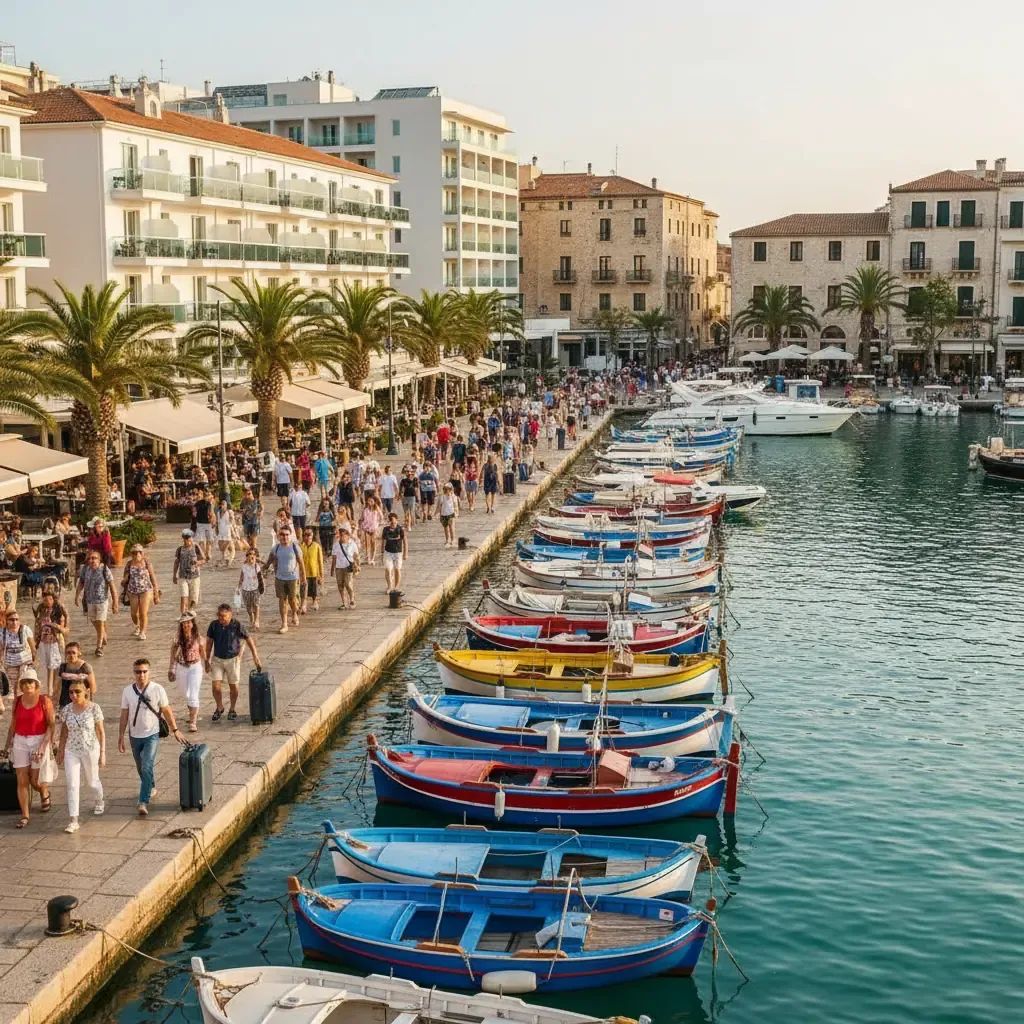
For hospitality operators, festival nights represent a significant revenue opportunity. The Fireworks Festival contributes meaningfully to Malta's broader festival tourism sector, with accommodation and food services benefiting from increased demand. Valletta and Sliema waterfront establishments report high capacity during competition evenings, with diners booking tables weeks in advance to secure harbor views. The ripple effect extends to taxi drivers, parking attendants, and street vendors, all of whom experience demand increases.
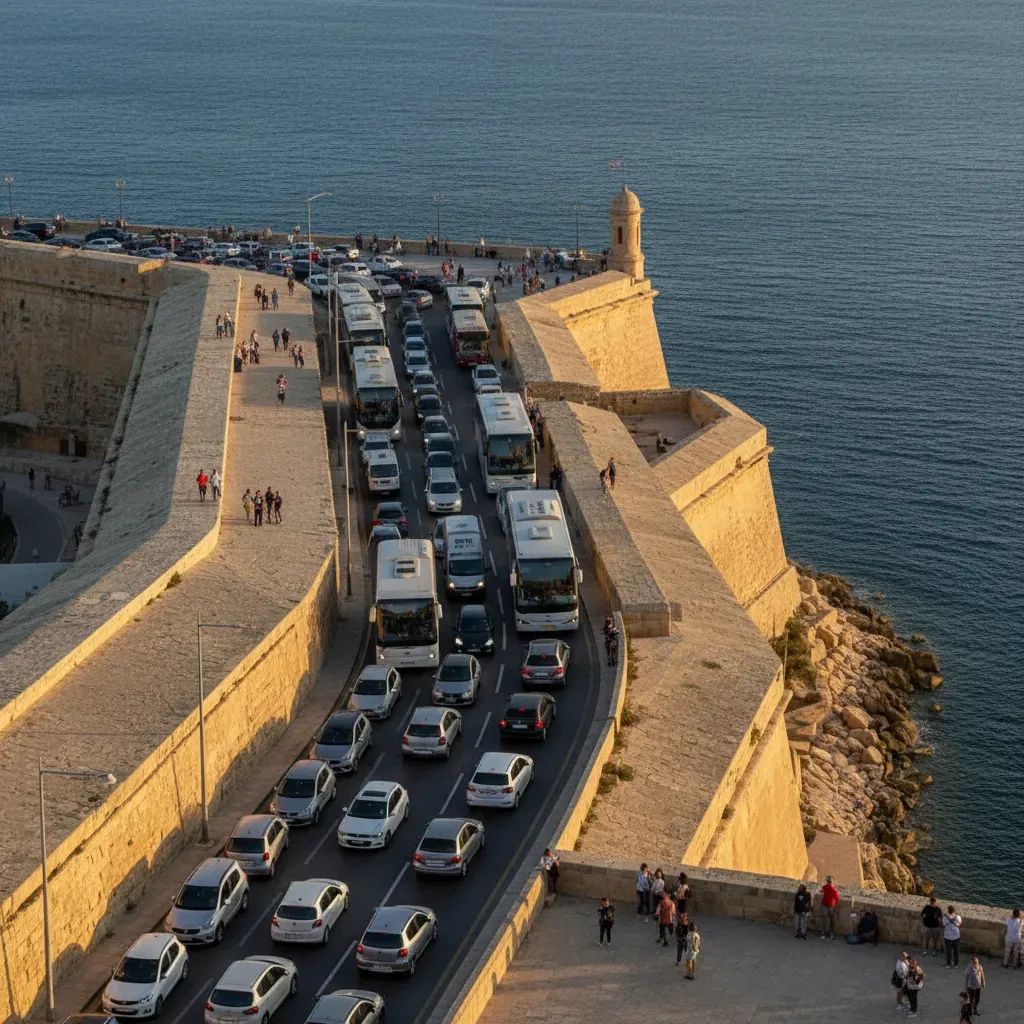
For residents, the festival offers both economic opportunity and logistical considerations—road closures and crowd congestion around the Grand Harbour are standard on event nights, though most locals embrace the temporary disruption as part of Malta's cultural calendar.
The festival also supports local fireworks factories, many of which operate as volunteer-run community organizations. Government initiatives provide funding for safety improvements at these workshops, which remain central to village identities across the archipelago. The international spotlight helps preserve this craft, attracting younger enthusiasts who might otherwise overlook a tradition rooted in centuries-old patron saint celebrations.
Tradition in a Modern Context
The 2026 edition represents a significant anniversary milestone. Malta's pyrotechnic identity is inseparable from its festa culture—where villages compete to stage elaborate fireworks displays in honor of patron saints. The festival continues to balance this heritage with contemporary developments in pyrotechnic artistry and technical execution.
International teams bring diverse expertise, with participants from Canada—making their debut this year—joining established competitors from Italy and Japan, countries with their own storied pyrotechnic histories. This international dimension enriches the festival's competitive character while maintaining respect for Malta's centuries-old traditions.
The Competition Structure
The pyro-musical competition is the festival's centerpiece. Teams typically must synchronize shell bursts, color transitions, and ground effects to a pre-selected musical score, judged on technical execution, creativity, and audience impact. Pyro-musical entries demand rigorous planning—each shell's launch time, altitude, and burst pattern must align with the musical narrative. Past competitions have showcased both traditional Maltese factories with decades of experience and international firms introducing novel techniques.
Results remain tightly guarded until the April 30 grand finale, when the winning team will be announced before the closing display.
Beyond Valletta: Expanding the Footprint
The 2026 edition's expansion to Gozo and Comino reflects efforts to distribute viewing opportunities across the archipelago. Gozo's Nadur opening night on April 18 caters to the island's distinct festa culture, where fireworks hold significant community importance. The logistical challenges of staging displays in multiple locations—coordinating pyrotechnic transport, securing safety permits, managing crowd flow—underscore the festival's operational complexity.
For Gozitan businesses, the festival offers valuable mid-spring exposure. While Gozo attracts summer tourists seeking quieter beaches, April remains a shoulder season when many establishments operate below peak capacity. The opening night display brings both locals and day-trippers from Malta, providing commercial activity during a traditionally quieter period.
Cultural Continuity in a Modern Context
Malta's pyrotechnic tradition dates to the 16th century, when the Knights of St. John incorporated fireworks into ceremonies. Over time, the practice became integral to village festas, where communities competed to honor their saints with impressive displays. This competitive spirit remains embedded in modern festival culture, with local factories and international teams collaborating and competing simultaneously.
The festival deliberately honors this heritage. Traditional ground fireworks—such as Catherine wheels and bombettes—share the program with contemporary aerial shells. Many Maltese teams manufacture components using techniques passed down through generations, while increasingly adopting computerized systems for competition precision.
Practical Considerations for Attendees
Viewing spots along the Valletta and Sliema waterfronts fill quickly, with spectators typically staking out positions by late afternoon. The Grand Harbour's natural amphitheater offers excellent sightlines from multiple angles, though sound levels during displays are notably intense. Families with young children or noise-sensitive individuals may prefer more distant vantage points.
Public transport experiences high demand on event nights, and rideshare services often implement surge pricing. The Malta Public Transport authority typically adds extra bus services on competition evenings, though delays may occur due to road closures around the harbor perimeter. Residents familiar with the festival often walk or cycle to viewing areas, avoiding parking challenges entirely.
Looking Ahead to the Grand Finale
The April 30 closing night promises an ambitious display, with multiple teams contributing to a synchronized finale. Past closing nights have featured displays lasting upward of 30 minutes, consuming substantial quantities of shells. The 2026 edition's 25th-anniversary status positions it as a significant event in Malta's cultural calendar.
For the Malta Tourism Authority, the festival represents an important fixture in year-round destination marketing. The event's continued success underscores the value of maintaining and investing in Malta's cultural events as economic drivers and sources of community pride.
As competition night two concluded Monday with spectators filling Valletta's cobblestone streets, the question now shifts to which team will claim the 25th-anniversary trophy. The answer arrives in nine days, when the Grand Harbour once again becomes the stage for Malta's storied pyrotechnic tradition.