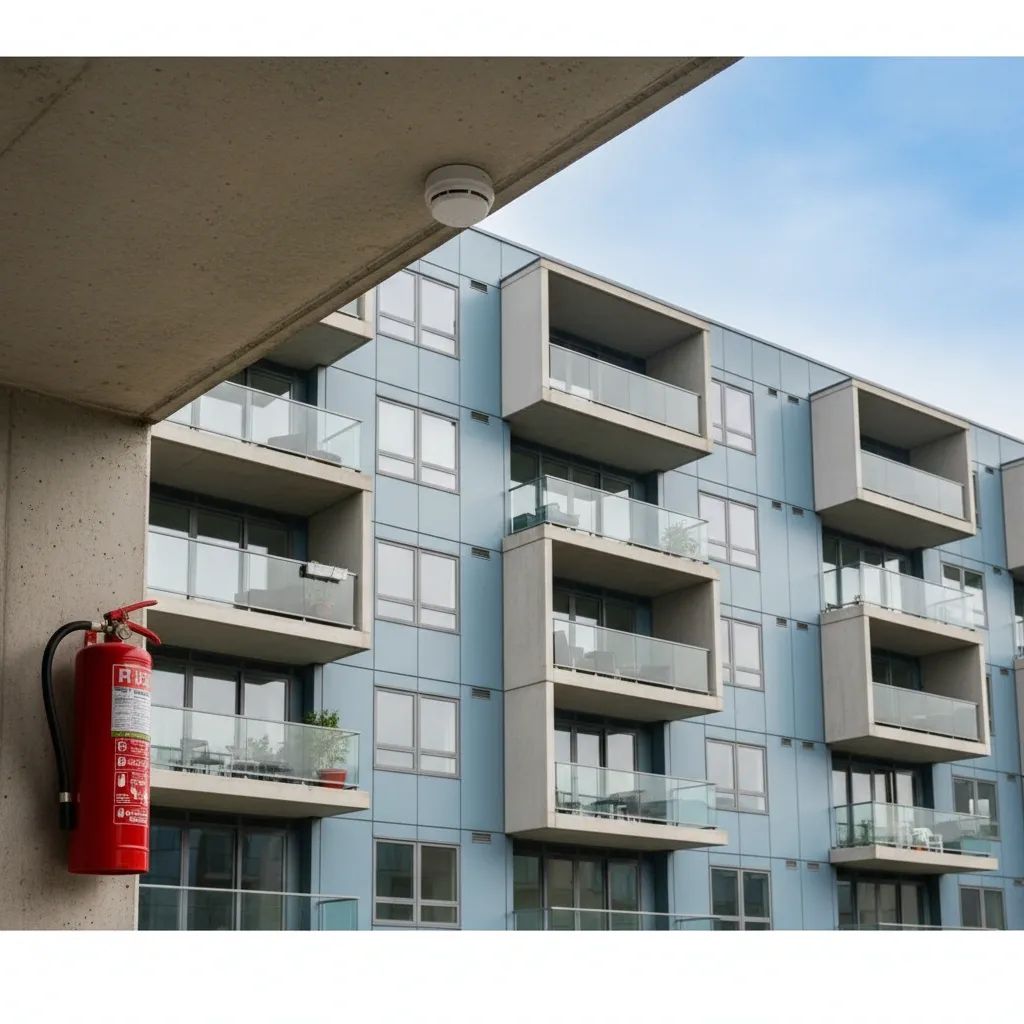
The Malta Planning Authority is under pressure to implement sweeping regulatory reforms by January 2028 as residents increasingly report concerns about deteriorating quality of life from ongoing construction activity. With an estimated 3,010 dwelling permits approved in the first quarter of 2026—a 40% increase from the previous year—the archipelago faces significant questions about balancing continued development with preservation of livability.
Why This Matters
• Economic impact: According to traffic analysis, Valletta commuters lost 94 hours to gridlock in 2025, with estimates suggesting approximately €770 M in economic costs
• Housing affordability: Residents and housing advocates report that young couples earning minimum wage could afford only 2.2% of properties on the market in 2025
• Waste concerns: Solid waste generation reached 3.5 M tonnes in 2024, a 17.6% increase, with construction debris cited as a primary driver
• New requirements: Major construction projects (16+ units) must now recycle or reuse 40% of waste by January 2028 under new environmental regulations
The Scale of Malta's Construction Boom
The archipelago has experienced significant development over the past decade. Between 2014 and 2024, the Malta Planning Authority approved 90,738 new dwellings, increasing the nation's housing stock by one-third in just ten years—more than quadruple the rate of the previous decade. Property values have nearly tripled from €30 B to €88 B during this period, driven by land scarcity and speculative investment that increased land value by 200% and construction costs by 160%, according to property market analysts.
The fourth quarter of 2025 saw a 52.3% spike in building permits compared to the same period in 2024, authorizing 597 permits for 3,487 new units. The construction sector currently employs approximately 25,000 full-time workers—8% of Malta's workforce—and contributed €809 M to the economy last year, representing a 3.8% annual increase. The number of construction enterprises has climbed 27.5% since 2010, reaching 8,553 active firms.
The construction industry argues this expansion has been essential to Malta's economic development and employment, particularly as the sector absorbs a significant portion of the workforce and generates substantial revenue for the national economy. Industry representatives emphasize their commitment to sustainable building practices and note that recent regulatory frameworks demonstrate flexibility in accommodating growth while addressing environmental concerns.
Yet this expansion has prompted significant discussion about broader consequences. Total waste generation has doubled over the past dozen years, with mineral waste from demolition and excavation accounting for the majority. In 2024, mineral waste alone rose 21.8%, while recycling in this category declined 13.6%, according to environmental data, suggesting a shift toward less sustainable disposal methods like backfilling.
Impact on Residents and Infrastructure
Malta ranks among the most densely populated countries globally, and residents report that infrastructure is under strain. Traffic congestion has become a frequent concern, with data indicating the average Valletta commuter loses nearly 100 hours annually to gridlock. Roads, sewage systems, and public transport networks face pressure from continuous population growth, intensified by over 4 M tourists visiting in 2025.
Air quality has been a point of concern alongside construction activity. In 2023, fine particulate matter (PM2.5) levels hovered at more than double the World Health Organization guidelines—levels largely unchanged since 2018. Construction sites, alongside vehicular traffic, are identified as primary contributors. Noise pollution has emerged as a documented concern, with 21% of Maltese citizens identifying it as a top environmental priority—more than double the European Union average. Mental health professionals have noted construction noise as a factor in stress, anxiety, and sleep disorders among residents.
The housing affordability challenge has drawn significant attention. Young couples on minimum wage report limited access to the property market, with data indicating access to just over 2% of available properties in 2025. Many residents note that traditional village skylines have given way to apartment blocks and construction cranes, with open spaces diminishing. Community concerns include loss of local amenities, questions about social cohesion, and the disappearance of historic architecture and landscapes that residents associate with Maltese identity.
Environmental Pressures and Climate Vulnerability
The Mediterranean region is warming at rates higher than the global average—approximately 20% faster according to climate data—and Malta faces particular vulnerability to these changes. Intensive urbanization reduces water absorption and elevates surface temperatures, contributing to the urban heat island effect and raising concerns about desertification risk. The conversion of agricultural land to built surfaces exacerbates drought conditions and increases flash flooding potential during intense rainfall events.
Between 2014 and 2024, the Malta Planning Authority approved 21,951 new dwellings on greenfield sites, though the percentage of greenfield development has declined from 25% in 2022 to 19% in 2024. Marine ecosystems face documented pressure from coastal development, land reclamation proposals, and pollution. Environmental advocates highlight concerns that loss of vegetation and increased built surfaces contribute to hotter summers, potentially threatening biodiversity and endemic species.
What This Means for Residents
Starting January 2026, major construction projects involving 16 or more units are required to conduct pre-demolition audits to identify waste types, outline source separation plans, and assess reuse potential. By January 2028, these projects must achieve a minimum 40% waste reuse or recycling rate, including excavated material, as part of efforts to reduce dust and debris.
A five-month automatic construction pause now takes effect once an appeal is filed against an approved permit, halting noisy work during dispute resolution. This represents a change from previous practice, when construction often continued during the appeals process.
Tourism regulations introduced in 2026 will no longer favor proposals exceeding height limitations. The Malta Tourism Authority will not consider projects for hotels with more than 200 rooms or those rated below three stars. Guest houses in urban conservation areas face a 20-room maximum and must respect architectural value, with emphasis on restoration and adaptive reuse of historic buildings.
Short-let operators now face stricter requirements, including displaying license numbers and maintaining proper waste management plans. The eco-contribution on tourist stays is increasing from €0.50 to €1.50 per person per night from July 2026, with revenue partly allocated to local councils.
Government Response and Political Debate
The Maltese Cabinet launched Vision 2050 in February 2026, a strategy aimed at addressing resident concerns about construction while committing to environmental stewardship and national parks development. The initiative pledges to safeguard undeveloped land and pursue greater building uniformity through an extensive consultation process to revise the 2006 local plans that govern zoning rules.
The 2026 Budget made the First-Time Buyer scheme permanent, increased the deposit loan ceiling, and committed to 260 new affordable housing units at approximately 30% below market price. A €6.7 M regeneration plan is upgrading social housing buildings in 13 localities, benefiting 720 families.
Political parties have proposed additional measures for debate. One manifesto pledges to reform the Malta Planning Authority to address conflicts of interest and calls for consideration of an two-year moratorium on new permits for buildings of ten floors or above. Another proposal introduces a vacant property tax on second vacant residential properties onwards, with revenue directed to social housing.
Proposed reforms to the Environment and Planning Review Tribunal include potential separation into distinct bodies for planning and environmental appeals to address case backlogs. Additional proposals include legal amendments to protect parks and green areas from future speculation, and commitments to prevent development on Manoel Island.
Broader Mediterranean Context
Malta's challenges reflect those of other Mediterranean destinations managing tourism and development pressures. Regions like Costa Brava in Spain, Cinque Terre in Italy, and islands such as Mallorca and Ibiza face similar considerations regarding overcrowding and development impacts. The Mediterranean collectively attracts over 300 M tourists annually, creating significant pressure on coastal resources across the region.
Many Mediterranean countries are exploring sustainable tourism models, including visitor caps, climate resilience mechanisms, and restrictions on large cruise ships. Malta's regulatory reforms reflect this regional shift toward balancing economic benefits with environmental stewardship and community well-being.
The regeneration of White Rocks is planned to create a major public green space, prioritizing community benefit. The Malta Environment and Planning Authority introduced new Environmental Permitting Regulations in May 2025 to consolidate fragmented laws, streamline processes, and enhance transparency and public participation, though some observers have noted the framework's current enforcement mechanisms require further strengthening.
The Path Forward
The construction sector is projected to contribute €338 M to the Maltese economy by 2028, maintaining an expected average annual growth rate of 1.5%. The broader policy discussion reflects recognition among officials and residents that development patterns require adjustment to address quality of life considerations alongside economic objectives.
The proposed amendment to the Development Notification Order (DNO) aims to create clear planning guidelines for restoring buildings damaged by natural disasters, allowing reconstruction only to the exact pre-incident state without creating new development rights. This signals a shift in planning priorities toward sustainable development and environmental stewardship.
With waste recycling requirements, construction pauses during appeals, and stricter tourism standards now taking effect, Malta is testing whether regulatory reform can address the most significant concerns associated with development while maintaining economic vitality. The coming years will reveal whether these measures effectively address resident concerns or whether additional policy adjustments will prove necessary.