Malta's Energy Future: A Political Debate Over August Deadline
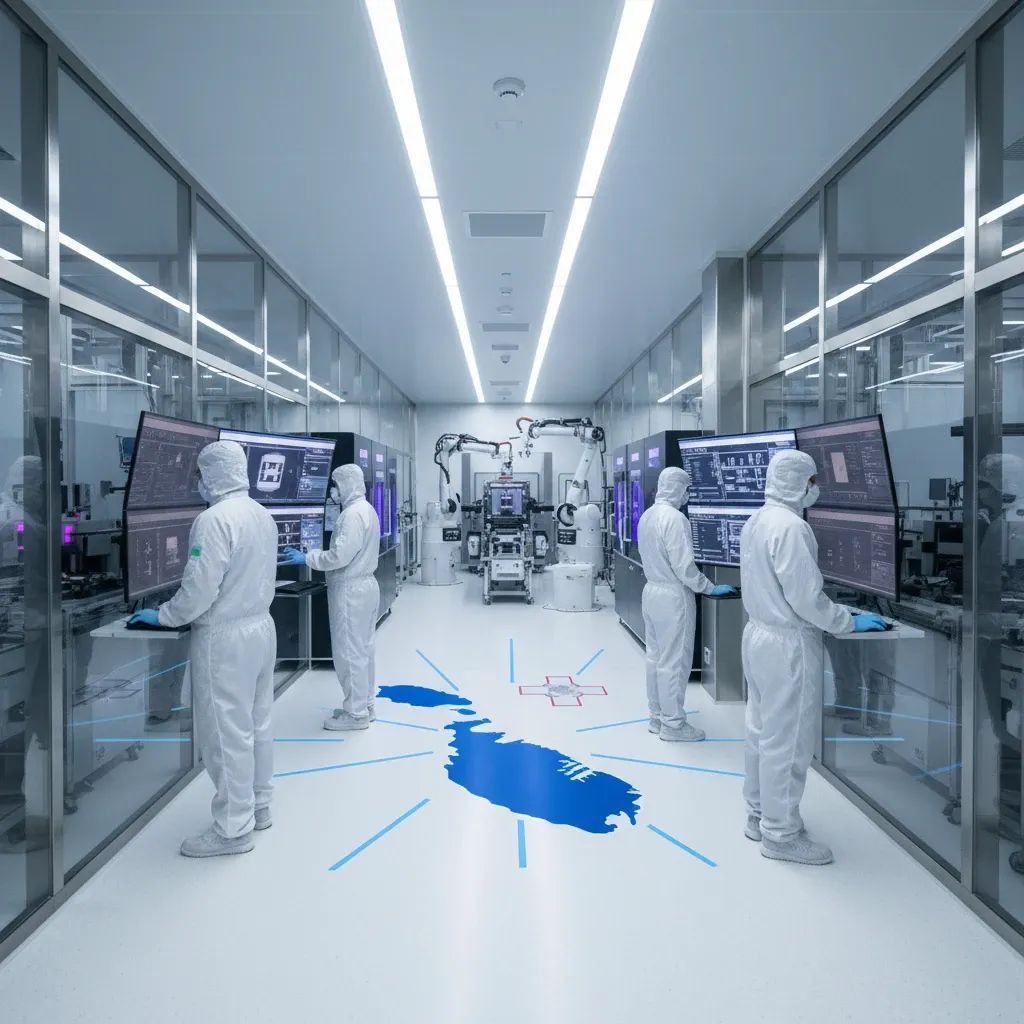
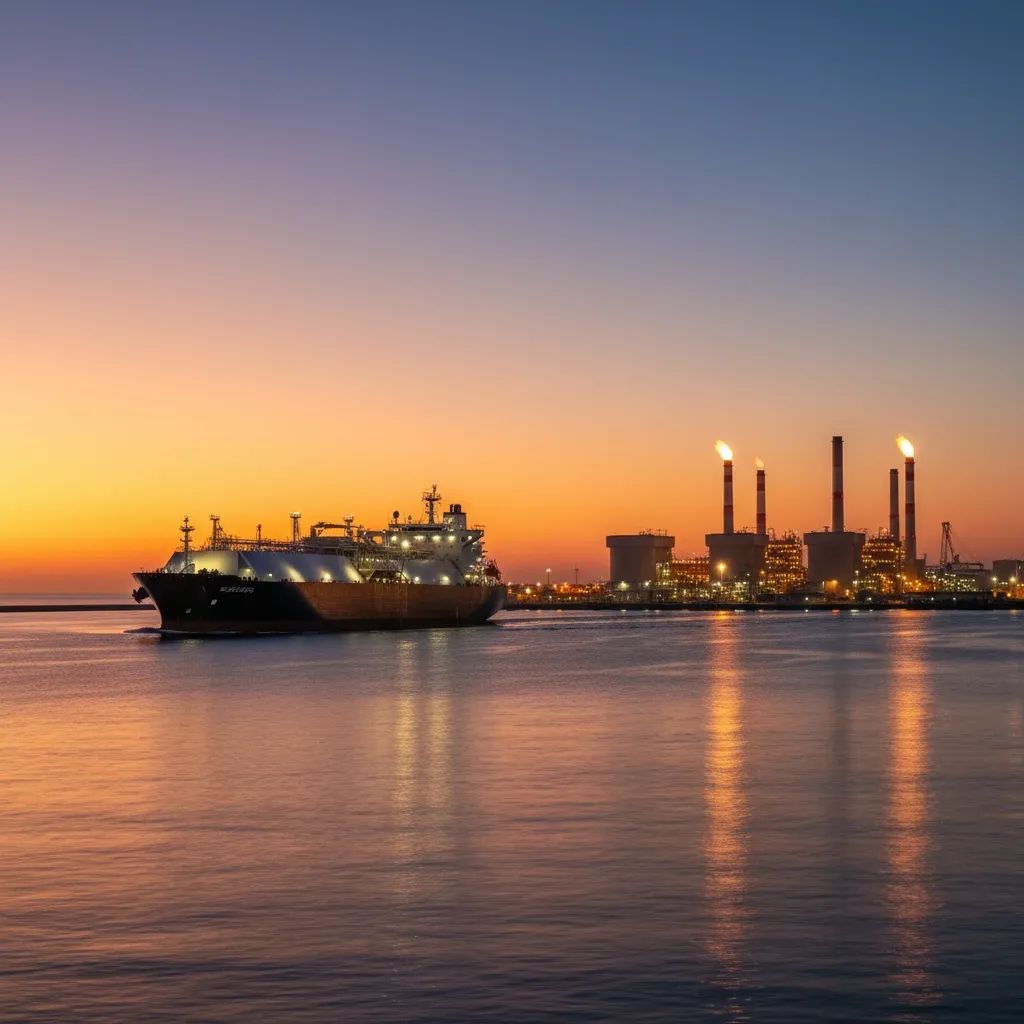
Malta faces a political debate over energy security as a key supply contract approaches expiration. On August 13, 2026, the decade-long liquefied natural gas supply contract between Electrogas and SOCAR Trading ends, potentially affecting the Delimara power station—responsible for most of Malta's electricity generation. Prime Minister Robert Abela has publicly assured that supply is secure and negotiations have been progressing for months. However, the Nationalist Party has raised concerns about the lack of transparency and the timing of finalizing arrangements before the deadline.
Why This Matters
• The contract deadline is concrete: The expiration of the SOCAR agreement means a new arrangement must be finalized to ensure continuity. Generators require 30–45 days' notice to switch fuel sources, establishing a practical constraint for agreement timing.
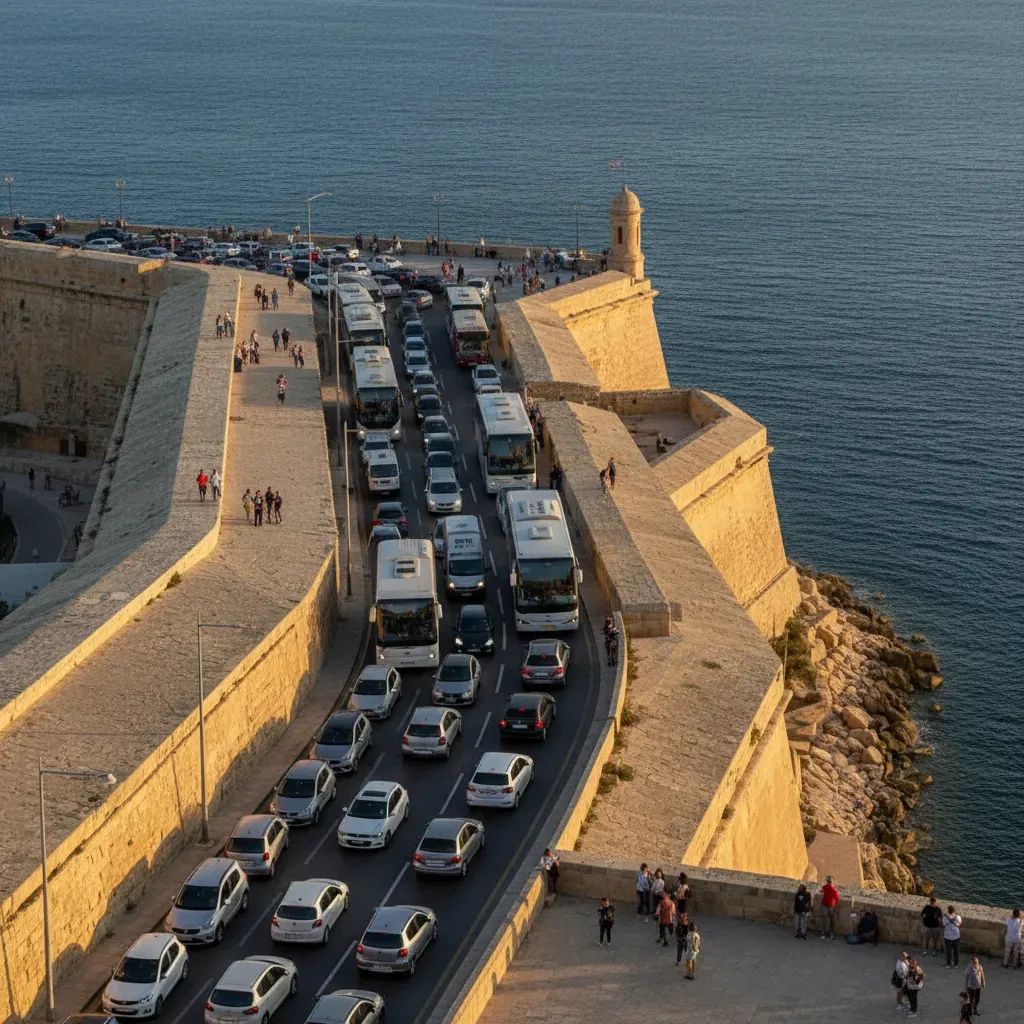
• Tourism and connectivity concerns: Opposition parties warn that energy cost increases could affect airline operations to Malta, though the government maintains that existing negotiations are proceeding constructively.
• Energy support framework: The Malta government has implemented energy price supports costing approximately €150 million annually to help shield households and businesses from global price volatility.
The Political Positions: Government vs. Opposition
Government Position: Prime Minister Abela and Energy Minister Miriam Dalli have confirmed that negotiations with multiple potential suppliers are underway. The government maintains that months of confidential talks have produced promising preliminary arrangements and that supply security is assured. They cite ongoing preparations including plans for a second electricity interconnector with Sicily, slated for completion by year-end 2026, which would provide additional supply flexibility.
Opposition Concerns: The Nationalist Party has called for greater transparency and public competitive bidding to ensure favorable pricing. Their concern centers on negotiating position—they argue that delaying contract finalization until close to the August deadline weakens Malta's bargaining leverage with suppliers. The PN contends that a formal tender process would provide downward price pressure through competition. The government has not committed to this approach, stating that preliminary negotiations have progressed sufficiently that reopening the process could be counterproductive.
How Malta's Energy Architecture Works
The Delimara power station operates exclusively on liquefied natural gas, converting LNG shipments into electricity. Enemalta, the state-owned utility, currently receives guaranteed supply under the SOCAR deal. Once the contract expires, Enemalta must secure replacement supply in a global market where demand for LNG exceeds readily available volumes. The government has hinted at contingency infrastructure: the second electricity interconnector with Sicily would allow purchasing power from the Italian grid when domestic generation faces constraints or cost pressures.
Global Energy Context
Disruption in the Strait of Hormuz—through which approximately one-third of the world's traded oil passes—has contributed to elevated energy prices globally. Benchmark prices for diesel and jet fuel have increased in multiple markets. The International Energy Agency has cautioned that European energy supply chains face various pressures, including aviation fuel logistics.
For Malta, an island economy dependent on tourism and international connectivity, global energy volatility presents genuine strategic considerations. However, the extent to which global price movements will affect Malta's final contract terms remains subject to ongoing negotiations.
Energy Subsidies: Supporting Affordability
In March 2026, Finance Minister Clyde Caruana revealed that Malta's energy price support system costs the public purse approximately €150 million annually. The government also identified an emergency reserve of €250 million, with possibility of expanding to €400 million if circumstances warrant.
The subsidy framework works as follows: the government absorbs the gap between global wholesale prices and the capped tariffs paid by consumers and small enterprises. If a new LNG contract proves costlier than the current deal, the government must decide whether to expand subsidies (straining the budget) or allow consumer tariffs to rise. Both choices carry implications for household finances and business operations.
Strategic Fuel Reserves
Malta participates in the European Union's Oil Stocks Directive (2009/119/EC), which requires member states to maintain emergency fuel reserves. The island currently holds 93.6% of its emergency stocks in other EU countries, managed through the XEOS platform, which coordinates cross-border logistics. This arrangement is operationally efficient but creates dependency on functioning EU coordination mechanisms during crises. A strategic review of whether Malta should maintain higher domestic reserves—particularly jet fuel for aviation support—merits consideration as part of longer-term energy resilience planning.
The Renewable Energy Trajectory
The Malta government has committed to expanding solar capacity and renewables as a long-term hedge against fossil fuel dependency. Solar installations are economically attractive given Malta's abundant sunshine. However, renewable capacity expansion will not materially affect the August 2026 energy picture, as installation and integration requires months. The renewable pivot is strategically important for future energy independence but cannot influence the immediate August deadline.
What Residents and Businesses Face
For electricity consumers: The near-term outlook depends on contract finalization timing and terms. Government assurances suggest continuity is planned, though the final pricing structure remains subject to negotiation outcomes.
For tourism and hospitality businesses: Airlines make route decisions based on fuel cost assumptions. Opposition parties have raised concerns that energy cost increases could affect airline operations; the government maintains that preparedness measures mitigate such risks. The actual impact will depend on how global energy prices evolve and how competitive Malta remains as a destination.
For workers across sectors: Employment stability in tourism, hospitality, construction, and related services depends partly on sustained visitor arrivals and business activity. Both government and opposition acknowledge the importance of these sectors to Malta's economy.
The Next Months Ahead
Between now and August 13, 2026, Malta's government will either finalize a new LNG supply contract or continue negotiations. Public disclosure of terms will likely follow agreement completion or opposition criticism. Residents and business owners will have greater clarity once arrangements are publicly announced.
The government's assurances regarding preparedness and secure supply represent one position in an ongoing political debate. The opposition's calls for transparency and competitive bidding represent another. By September 2026, the actual outcome of these negotiations will provide clarity on energy costs, supply stability, and economic competitiveness going forward. Both the government's preparedness and the infrastructure investments under discussion (interconnectors, renewable expansion) suggest that Malta's leadership is focused on managing the transition through the August deadline and building longer-term energy resilience.