The Stadium Malta Never Built—Until Now
For 65 years, Maltese football has operated under a significant handicap. When a local club qualifies for European competition, that achievement immediately triggers logistical challenges. The club must either borrow a foreign stadium, relocate the entire fixture abroad, or watch supporters unable to afford travel miss the match entirely. This situation has defined Malta's reality since joining UEFA in 1960. That era ends in 2030, when a new 5,000-capacity stadium in Marsa becomes operational and fundamentally changes how domestic clubs compete internationally.
Why This Matters for Malta
• UEFA Level 3 certification: The venue meets continental standards to host European league matches, qualification rounds, and tournament fixtures without requiring relocation or third-country accommodations.
• Construction window is tight: Demolition and site preparation begins 2027; operational target is 2030—a three-year build that demands regulatory approval and financing to materialize on schedule.
• Revenue potential beyond football: Artificial turf enables concerts, festivals, and large-scale entertainment within 48 hours of matches, creating operational flexibility that single-sport stadiums cannot achieve.
The Geographic Logic and Local Benefit
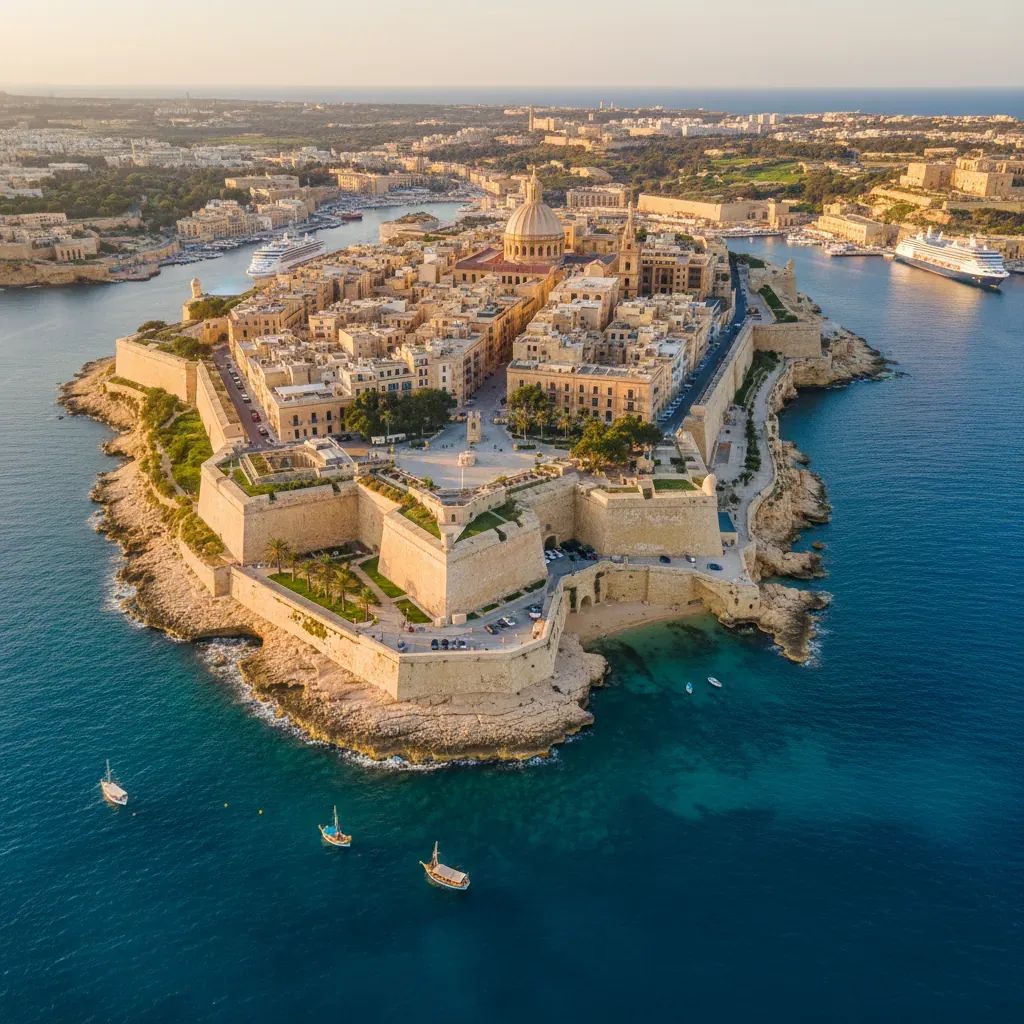
Marsa occupies a practical position between the northern employment centers, Valletta's administrative district, and the southern residential areas. Transportation corridors already serve the site; the location means supporters can attend matches without undertaking impractical journeys. The area already functions as home to several national sports facilities, so a football stadium complements existing infrastructure investment.
The land arrangement reflects a practical approach to development. The Malta Rugby Football Union currently owns the property, and rather than purchasing outright—a process that would consume capital and delay timelines—the Malta Premier League has negotiated operational control while the rugby federation retains ownership. In exchange, rugby receives a brand-new clubhouse and permanent access to upgraded facilities. This arrangement distributes financial risk across stakeholders, a model common in European stadium development where municipalities or multiple organizations share capital expenditure and operational costs.
Synthetic Pitch: Addressing Malta's Climate
Malta's climate eliminates natural grass as a practical option. Summers exceed 35 degrees Celsius with minimal rainfall; maintaining living turf requires constant irrigation that strains water resources—already precious in a Mediterranean island nation—while heat stress necessitates expensive replacements every 2-3 years.
Bodø/Glimt, the Norwegian football club, demonstrates that synthetic surfaces meet UEFA standards for performance, player safety, and competitive integrity. The Norwegian side competes routinely in European competitions on identical pitch specifications. Beyond competitive compliance, artificial turf offers operational advantages. Natural grass requires 7-10 days between events for recovery; synthetic surfaces allow a concert stage to be erected Friday evening for Saturday entertainment, with football fixtures resuming Thursday. A football match generates approximately €8,000-12,000 in ticket revenue; a concert on the same pitch generates €15,000-25,000. The financial case for synthetic surfaces becomes clear when considering year-round venue operations.
Revenue Streams and Modern Facilities
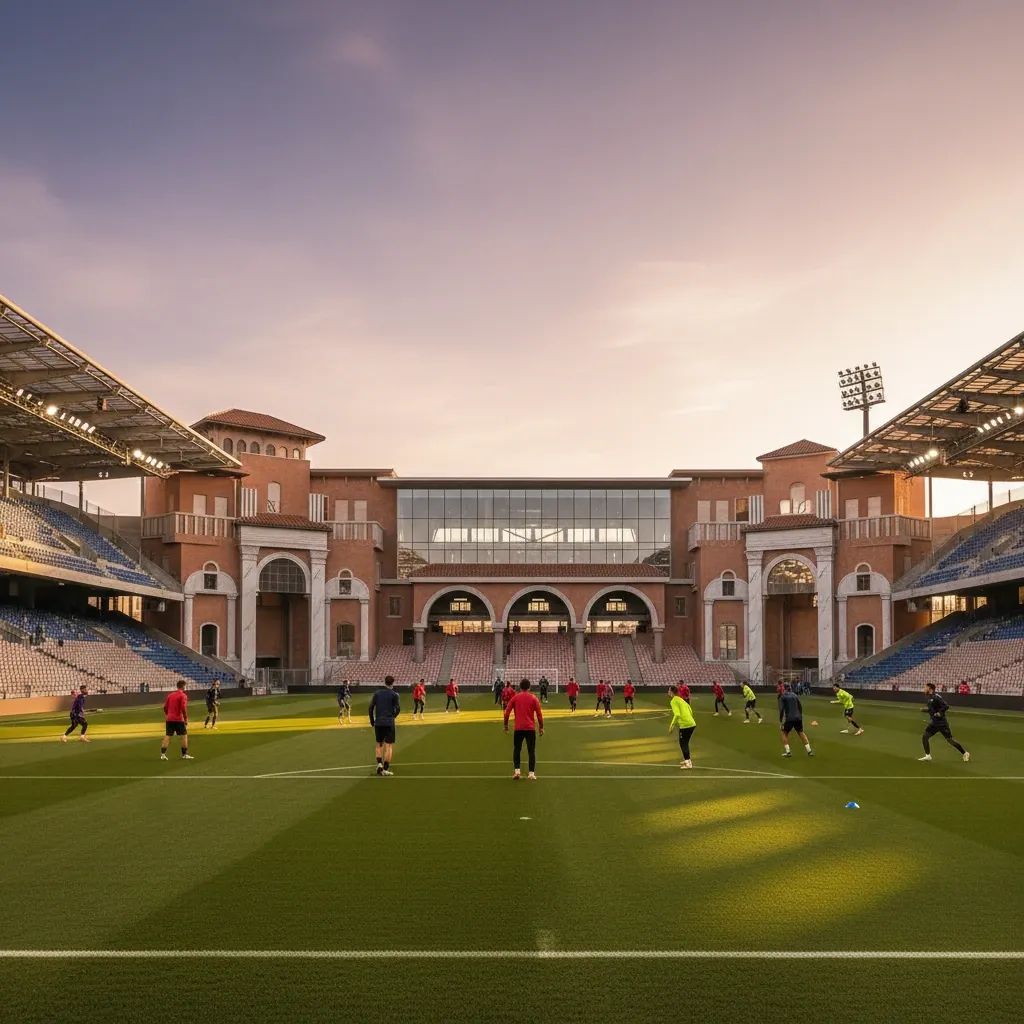
The design incorporates opposing stands segregating home and away supporters—a practical necessity for managing crowd dynamics and maintaining competitive atmosphere. Alan Abela, the Malta Premier League CEO, described the facility as bringing "fans closer to the action." This means steeper seating angles, tighter sightlines, and intimate proximity to pitch activity that current aging grounds cannot deliver. Hospitality suites and corporate facilities represent revenue opportunities that Maltese football has underexploited for decades. European clubs generate 20-30% of stadium revenue through premium seating; Malta's existing venues generate almost nothing.
A dedicated training pitch embedded within the complex addresses a critical infrastructure gap. Currently, Maltese clubs compete for access to municipal grounds with inconsistent drainage, inadequate maintenance, and shared schedules that disrupt preparation routines. Clubs will finally possess training infrastructure matching continental standards, improving player development and reducing injury risk.
The Five-Thousand-Seat Question
The capacity reflects Maltese matchday realities with precision. Premier League fixtures attract 2,000-3,000 supporters; derbies occasionally reach 4,000. Larger stadiums would create the appearance of empty seats that project weakness rather than ambition. The design accommodates normal fixture attendance while allowing for occasional surges.
Rugby and Baseball: Competing for Space in Malta's Future
Rugby occupies a particular position in Maltese sporting culture. The sport maintains institutional presence and dedicated supporters, yet infrastructure investment has lagged football. Clubs train on repurposed pitches with inadequate drainage and minimal spectator facilities. A dedicated rugby pitch reverses that situation. International friendlies become feasible; training grounds meeting professional standards improve player development; proper surface maintenance enhances injury prevention. For a sport seeking greater visibility, infrastructure investment represents institutional support.
Baseball's inclusion reflects emerging interest among younger Maltese audiences who now consume Major League Baseball through streaming services. The venue's baseball facility provides space for sports seeking foothold without requiring separate construction.
The Planning and Regulatory Path
Joseph Muscat, the Malta Premier League chairman, stated that planning applications would be submitted immediately. However, this step commences a rigorous regulatory process. The Planning Authority must assess traffic impacts, environmental consequences, stormwater management, and light pollution. Previous Maltese sports projects have encountered 12-18 month delays from environmental impact assessments alone.
Artificial turf introduces additional regulatory consideration. As the European Union tightens scrutiny over microplastic shedding from degrading synthetic surfaces, Malta's Planning Authority may mandate mitigation strategies or specialized maintenance protocols. These requirements could extend approval timelines or add construction costs.
The 2027-2030 construction schedule is ambitious yet achievable. Gibraltar's Victoria Stadium renovation and Liechtenstein's Rheinpark Stadion both delivered UEFA-compliant 5,000-capacity venues within 24-36 months once planning approval cleared. Once regulatory clearance is obtained, construction capability exists locally.
Financing remains officially undisclosed, though stadium projects at this scale typically combine public grants, tax incentives, private investment, and sports federation contributions. Malta's government has historically subsidized athletic infrastructure, and this project will likely require public capital to close gaps that private developers cannot bridge alone.
Events, Entertainment, and Year-Round Operations
A football-only revenue model cannot sustain modern stadium operations in a market with Malta's population. The artificial turf enables rapid venue conversion to concerts, festivals, and large-scale entertainment.
Malta's live entertainment market has matured substantially. International touring acts increasingly include the island on Mediterranean circuits, yet current concert venues operate outdoors or in improvised spaces lacking proper acoustic engineering or professional crowd management infrastructure. A purpose-designed venue with engineered sound systems, tiered sightlines, and backstage facilities addresses a genuine market need. Entertainment generates superior per-seat revenue compared to football—concerts might yield €15-20 per attendee against €8-12 for league matches.
The Practical Impact for Maltese Football
A UEFA Level 3 stadium does not guarantee sporting victories, yet it eliminates a disadvantage that has affected Maltese clubs for generations. European competitions no longer force clubs to relocate "home" fixtures or play before sparse crowds in borrowed stadiums. That atmospheric and logistical advantage can influence outcomes in competitive matches. Modern facilities also attract serious investment, attract coaching talent, and provide environments where youth academies can develop players effectively.
Whether these advantages translate to sporting success depends on governance and strategic reinvestment. Infrastructure removes obstacles; wise stewardship must follow. For supporters who have traveled to distant stadiums to watch their club play "at home," waiting until 2030 feels distant. Yet it closes a gap that has persisted since Malta joined UEFA 65 years ago—decades of European participation constrained by the lack of a suitable stadium.