
Energy Lifeline Back Online as Malta Accelerates Path to Power Independence
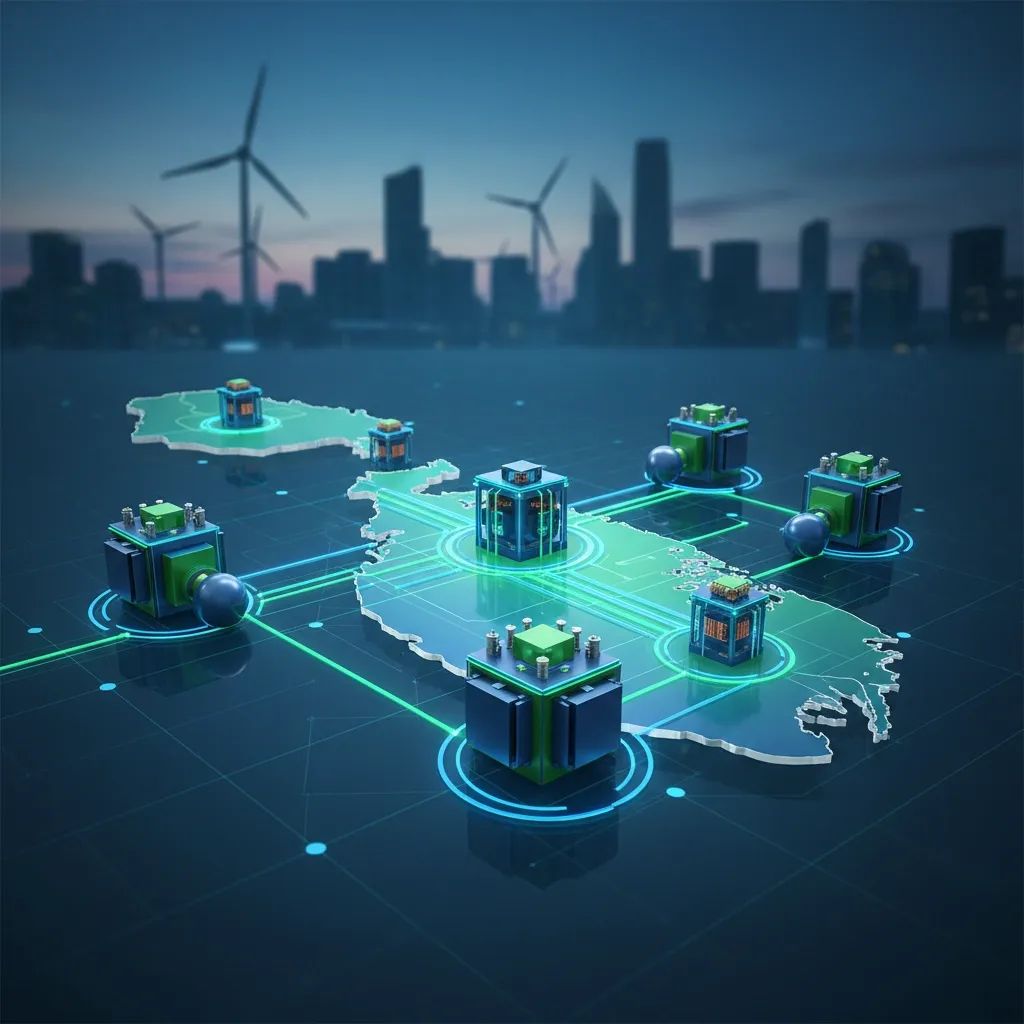
The Malta-Sicily electricity cable has resumed full-capacity operations after a three-day maintenance shutdown, marking a critical juncture in the archipelago's long-term push toward energy resilience. While the temporary disconnection briefly reverted the island to fossil-fuel-only generation, it accomplished something far more strategically valuable: preparing the technical foundation for a second submarine link that will fundamentally reshape how Malta accesses and manages electricity imports from continental Europe.
Key Takeaways
• Grid remained stable: No outages occurred during the IC1 shutdown; Enemalta successfully balanced supply using gas and diesel reserves.
• Preparation work complete: Engineers finished installing cable rerouting and foundational components for the second interconnector at the Ragusa Terminal in Sicily.
• Second cable advancing: The IC2 project represents significant progress toward delivery, with subsea testing and commissioning phases still pending.
The Ragusa Intervention Explained
Last week's maintenance required IC1—the 95-kilometer submarine cable linking Ragusa to Malta's Magħtab converter station—to be temporarily disabled while Terna, Italy's grid operator, and Enemalta coordinated an upgrade at the Sicilian terminal station. The work centered on installing a 220kV hybrid switchgear, essentially a piece of electrical infrastructure that will allow both interconnectors to share backup equipment and respond more intelligently to faults or surges.
Control cables had to be physically rerouted underground, a delicate operation that cannot proceed while live electricity flows through the existing system. The switchgear will also accommodate stabilizing devices that help maintain voltage stability when one cable becomes unavailable—a scenario that could otherwise trigger cascading blackouts across Malta's relatively fragile grid.
Energy Minister Miriam Dalli commented on the successful completion, praising the technical coordination between Enemalta and Italian counterparts. "Maintaining electricity stability during such interventions is no small feat," she noted, emphasizing that the work stayed on schedule and prioritized operational safety throughout.
The upgrade departs meaningfully from the original IC1 design. The first cable, completed in 2015, operated with isolated control systems; the new architecture allows both interconnectors to function as an integrated network rather than backup redundancy. This distinction matters because it transforms how the grid responds to emergencies, enabling faster load-switching and reducing outage duration when problems arise.
What Happened During the Blackout Window
The most striking aspect of the three-day disconnection was what didn't happen: Malta experienced zero blackouts or brownouts, despite losing approximately 200 MW of imported capacity. This outcome was neither accidental nor lucky.
Enemalta pre-positioned fuel reserves at its Delimara generation facility and other power stations weeks before the shutdown. Grid planners conducted detailed load forecasts, accounting for seasonal variation, cooler evening temperatures that drive air-conditioning demand lower, and the absence of tourist-season peak loads. Additional generators were placed on standby, and dispatch operators were briefed on manual load management protocols.
What this revealed is uncomfortable: Malta's electricity system operates with razor-thin margins when the interconnector is unavailable. The archipelago has reverted to its pre-2015 condition twice in the past week—first during the actual shutdown, and metaphorically whenever planned maintenance or unexpected cable failure forces it to rely solely on domestic generation.
Natural gas and heavy fuel oil generators met nearly all demand. Solar farms contributed modestly during daylight hours, but evening and night hours required full dispatch of thermal capacity. Battery storage, which many Mediterranean nations are rapidly deploying, remains virtually absent from Malta's grid architecture.
The Broader Energy Dependency Problem
Before IC1 arrived in 2015, aging generation facilities constituted Malta's entire electricity infrastructure. Generation was expensive, unreliable, and locked into whatever fuel prices prevailed on the spot market. The interconnector cut electricity import costs dramatically and, more importantly, provided access to continental energy markets where renewable capacity has been expanding significantly.
Yet one cable creates its own vulnerability. When IC1 requires maintenance or fails unexpectedly, Malta reverts to diesel dependence. The second interconnector, IC2, addresses this asymmetry. By offering a second import path, IC2 ensures that planned shutdowns for maintenance become manageable, and unplanned failures no longer trigger island-wide grid stress.
The European Union has committed substantial financing toward IC2, recognizing that energy security in the central Mediterranean serves broader EU strategic interests. The project fits into long-term vision for enhanced energy interconnection across the region.
When Will IC2 Actually Begin Supplying Power?
The second cable's physical installation is substantially complete. The undersea cable has been laid along most of its route between Ragusa and Magħtab. Converter stations—the specialized equipment that converts direct current submarine cables into alternating current for the grid—are advancing at both terminals.
What remains is subsea splicing, pressure testing to verify the cable's sheath integrity, and electrical commissioning trials. The current upgrade work at Ragusa represents significant progress toward delivery, with subsea testing and commissioning phases still pending. Factors including Italian regulatory clearances and favorable weather windows for offshore work will influence the project's advancement.
Enemalta has not announced a firm operational date, and the timing of IC2's entry into service remains dependent on the completion of these remaining phases and regulatory approvals.
Impact on Malta's Energy Cost and Climate Goals
For household and business consumers, IC2's arrival carries direct implications. Access to two import cables means Malta can participate more actively in European electricity markets, particularly purchasing off-peak power generated overnight in northern Europe when renewable capacity peaks. This cheaper off-peak electricity can be consumed locally or stored for later use.
Current electricity prices in Malta reflect reliance on expensive diesel generation during demand peaks. As IC2 comes online, peak pricing should moderate because continental supply becomes available when demand spikes, reducing pressure on expensive diesel dispatch.
The climate dimension is equally significant. Malta's renewable energy quota under EU law is rising, but land-scarcity and limited offshore wind potential constrain local solar and wind development. Greater interconnection allows indirect access to renewable generation through cross-border power purchases. Minister Dalli has repeatedly framed IC2 not merely as redundancy but as a tool for advancing energy security and sustainability—enabling the island to manage its energy needs with access to broader European markets.
Coordination Across Borders
The Ragusa shutdown required tight coordination with Terna, the Italian transmission operator, and notification to relevant European energy bodies. Because IC1 forms part of the broader European energy infrastructure, any disconnection must be scheduled to avoid unintended load imbalances across regional grids.
The European transmission network is increasingly interconnected, meaning that a sudden load shift in Malta can affect neighboring grids. Coordinating planned maintenance prevents cascading effects and ensures that emergency protocols function smoothly if unplanned faults occur.
What Comes Next
With the Ragusa upgrades now cleared, the IC2 project advances toward its remaining operational phases. Subsea testing and commissioning activities represent the next critical milestones. During this phase, the integrated network architecture will be verified to function as designed.
Enemalta will continue providing updates on IC2's progress as the project advances through these final phases. The second interconnector represents a transformative development for Malta's energy security, significantly reshaping the archipelago's electricity independence and resilience equation.


