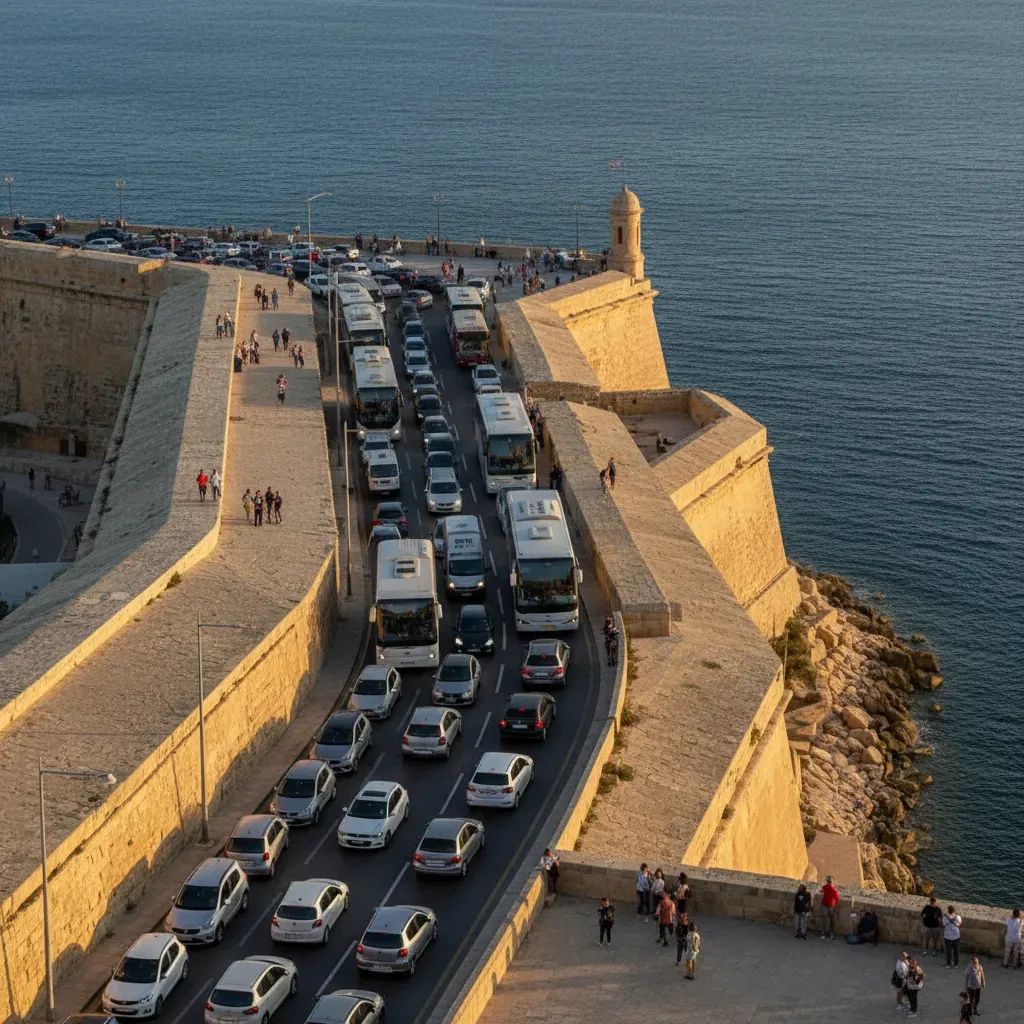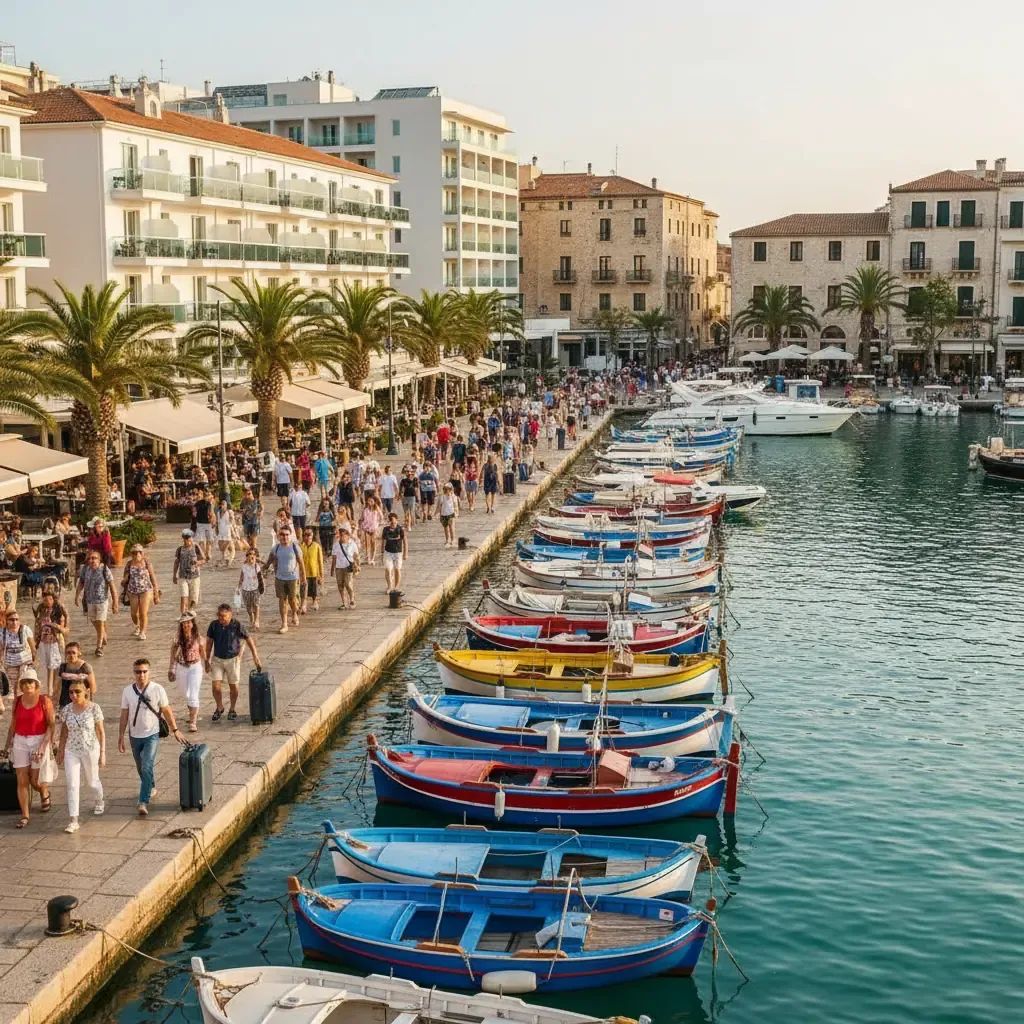
Malta's tourism sector extended its double-digit expansion streak into February 2026, logging 249,139 arrivals—an 18.5% year-on-year gain that underscores the archipelago's growing appeal as a shoulder-season destination and signals a fundamental shift toward higher-value, year-round travel.
Why This Matters
• Revenue climbed faster than volume: Tourist spending reached €171.7M in February, up 16.9%, translating to an average nightly spend of €125.80—a key indicator that Malta is attracting guests willing to pay more for cultural and heritage experiences.
• British, Polish, and Italian nationals drove half of all arrivals, collectively representing 49.6% of inbound traffic, with Poland emerging as the fastest-growing source market.
• Gozo and Comino captured 41.6% of visitors, suggesting sustained interest in off-mainland exploration despite infrastructure challenges.
• First-quarter momentum remains robust: January–February 2026 arrivals topped 484,911, a 19.9% rise over the same period last year, with total expenditure surging 21.1% to €350.6M.
The Demographic Profile
Visitors aged 25 to 44 years constituted the largest cohort at 35.7%, closely trailed by the 45–64 bracket at 35%. The Malta National Statistics Office reported that 224,757 arrivals in February were leisure travelers, while 14,600 came for business purposes—a ratio that underscores the archipelago's continued reliance on leisure tourism but also its growing conference and MICE segment.
Average length of stay held steady at 5.5 nights, and the total nights tally climbed 10.3% to 1.4M. Importantly, 90.5% of guest nights were logged in rented accommodation establishments—a category that includes Airbnb, Booking.com properties, and private holiday lets—highlighting the dominant role of short-term rental platforms.
Three Markets, Three Motivations
The outsized share claimed by British, Polish, and Italian residents reflects divergent but complementary drivers.
British travelers continue to favor Malta for practical reasons: English is an official language, left-hand traffic mirrors UK norms, visa-free entry, and direct three-hour flights from numerous UK airports. The archipelago's warmer winter climate offers an antidote to damp British springs, and a lingering cultural imprint—from plug sockets to pub culture—provides a reassuring sense of familiarity.
Poland's explosive growth stems from expanded capacity at Katowice Airport and targeted campaigns by the Malta Tourism Authority promoting year-round city breaks and sports tourism. In January 2026, Polish nationals briefly overtook both British and Italian arrivals, cementing Poland's status as one of Malta's fastest-rising source markets.
Italian visitors are drawn by proximity and connectivity—frequent flights and ferry services link Sicily to Malta in under two hours—as well as shared Mediterranean hospitality traditions and an appetite for Malta's baroque architecture and multilingual streetscapes.
The Revenue Per Visitor Question
While February's €125.80 average nightly spend represents a solid performance for the shoulder season, it reflects the ongoing challenge of maintaining revenue momentum across different travel periods. The archipelago continues to focus on attracting guests who prioritize cultural immersion, gastronomy, and heritage experiences—a strategic shift toward higher-value tourism.
What This Means for Residents
The surge in arrivals and the 90.5% share of nights spent in rented accommodation has prompted regulatory action aimed at managing short-term rental growth and its impacts on residential communities.
Legal Notice 92 of 2026, which took effect on April 15, imposes mandatory licensing, occupancy caps of two persons per bedroom (maximum ten per unit), and a ban on basement bedrooms for short-term lets. Property owners must now maintain a 24/7 contact, install air conditioning, and implement waste-collection plans. Operating without a valid license triggers a three-year disqualification.
These new rules represent the Malta Tourism Authority's commitment to prioritizing a "higher-value, lower-impact tourism model." The regulatory framework aims to ensure that tourism growth remains sustainable while balancing economic benefits with residential quality of life concerns.
EU Regulation 2024/1028, effective from May 2026, will compel platforms like Airbnb to enforce registration at the listing level, making non-compliance harder to sustain and shifting enforcement responsibility from individual owners to the platforms themselves.
Year-Round Ambitions and Infrastructure Realities
The Malta Tourism Authority's strategy for 2026 centers on reducing seasonality by promoting shoulder months for conferences, cultural festivals, and sports events. February's performance—arrivals up 18.5%, nights up 10.3%—suggests the campaign is gaining traction.
Aircraft seat capacity is projected to rise approximately 7% in 2026, including new direct flights to the United States, which should broaden Malta's appeal beyond European short-haul markets. The tourism authority continues to work on aligning growth with infrastructure capacity and environmental sustainability objectives.
The Gozo Conundrum
The fact that 103,579 visitors—41.6% of February's total—traveled to Gozo and Comino is both an asset and a challenge. The sister islands offer authentic village life, diving sites, and UNESCO-listed temples, but ferry capacity constraints and limited accommodation options mean many visitors make only same-day trips, curtailing potential revenue.
Efforts to upgrade Gozo's tourism infrastructure, including improved ferry services and targeted marketing of boutique hotels, are central to the Malta Tourism Authority's 2026 roadmap. The goal is to convert day-trippers into overnight guests, thereby increasing per-capita spending and distributing economic benefits beyond the main island's coastal areas.
Looking Ahead
The first-quarter 2026 figures—484,911 arrivals, 2.7M nights, and €350.6M in expenditure—point to sustained tourism momentum. The archipelago's long-term success hinges on its ability to balance volume with value, implement effective short-term rental regulation, and ensure tourism growth remains sustainable.
For residents, the trade-off is clear: tourism delivers jobs, foreign exchange, and global visibility. The new licensing regime and the Malta Tourism Authority's strategic pivot represent an attempt to manage growth while protecting community interests, but the proof will lie in whether Malta can sustain strong performance without compromising livability.