Malta has recorded its strongest spring tourism performance in recent years, with visitor arrivals climbing sharply and expenditure topping €234M in March—but the surge is exposing infrastructure limits on Gozo and Comino, where nearly half of all tourists now venture.
Why This Matters
• Economic boost: Total tourism spending for the first quarter reached €584.7M, up 15% year-on-year, fueling growth in accommodation, catering, and transport sectors.
• Accommodation crunch: Rented properties absorbed 90.3% of all guest nights, signaling tight supply and higher prices for locals seeking long-term rentals.
• Gozo under pressure: The sister islands welcomed 153,116 visitors in March—47.6% of the national total—straining roads, ferries, and environmental sites.
• Per-capita spending dipped: Despite record revenue, average expenditure per tourist fell to €725 from €733 in the previous quarter, indicating shorter stays or budget-conscious travelers.
Record Arrivals as Mediterranean Season Opens Early
The National Statistics Office confirmed that 321,652 inbound tourists arrived in March, representing an 11.3% increase over the same month the previous year. Holiday travelers dominated the cohort, accounting for 295,489 arrivals, while business visitors numbered 17,195. The first-quarter cumulative figure reached 806,563 tourists, a 16.3% jump compared to the same period in the prior year.
British, Polish, and Italian nationals collectively represented 49.2% of all arrivals, underscoring Malta's reliance on European source markets. The demographic breakdown shows that 36% of visitors fell into the 25–44 age bracket, followed by 33.8% aged 45–64, suggesting a mature, working-age audience with disposable income.
Tourists logged 1.7M nights in March—a 5.9% increase—and the average length of stay held steady at 5.3 nights. Over the first quarter, total nights climbed 11.9% to 4.5M, indicating robust occupancy across accommodations even outside peak summer months.
What This Means for Residents
The tourism windfall translates directly into job creation and GDP growth, but it also intensifies competition for housing and services. With 90.3% of guest nights booked in rented accommodation, property owners are incentivized to convert long-term leases into short-stay rentals, squeezing the residential market. This trend is particularly acute in Valletta, Sliema, and St. Julian's, where monthly rents already rival those in larger European capitals.
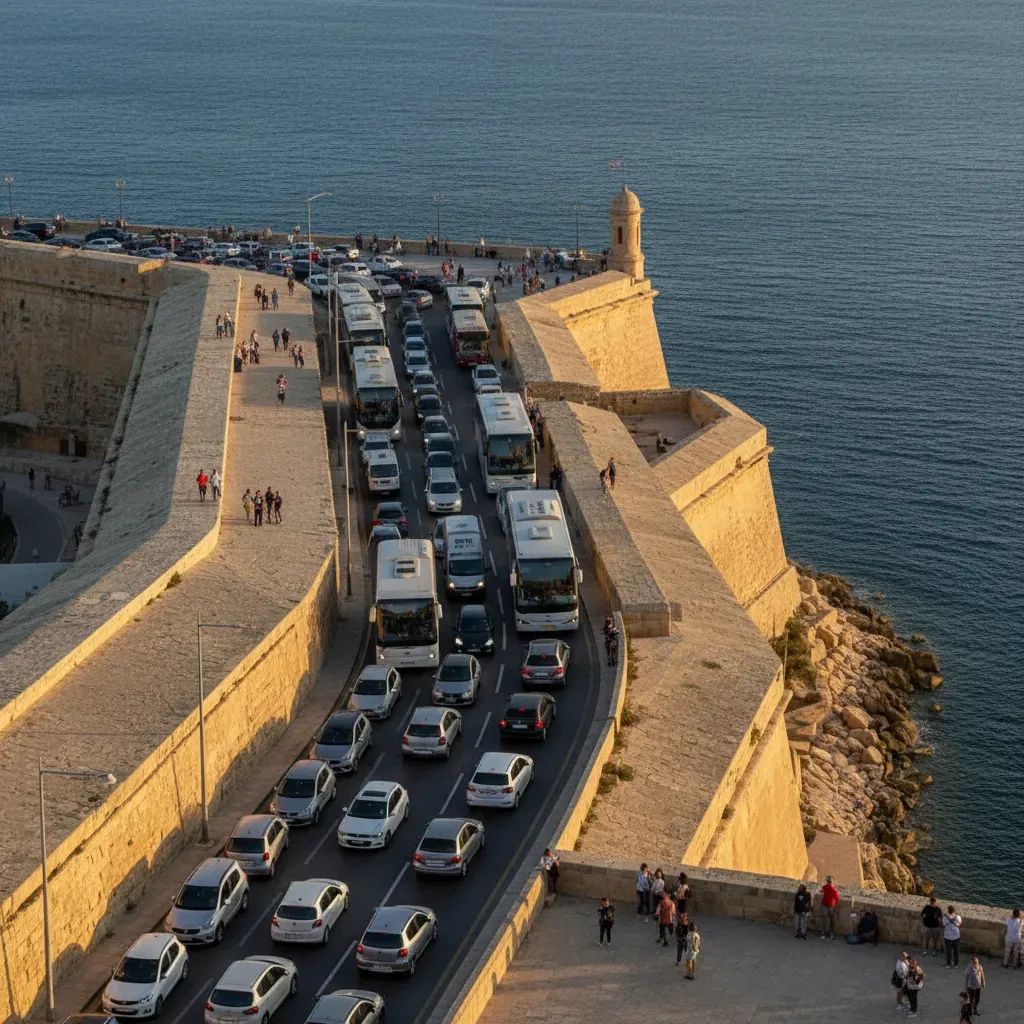
Transport networks are feeling the strain as well. The Gozo Channel ferry recorded 517,824 passengers in March alone—the busiest month to date. Delays and diversions via Comino have become more frequent, prompting calls to renew the fleet and upgrade port facilities at Mġarr and Ċirkewwa.
For businesses in hospitality, dining, and retail, the 11.3% uptick in arrivals means higher revenue but also acute labor shortages. Many Gozitan operators now rely heavily on foreign workers, raising concerns among the Gozo Tourism Association that the authentic cultural experience may be diluted as local staff become scarce.
Gozo and Comino: Popularity Meets Capacity Limits
Nearly half of all visitors to Malta now make at least a day trip to Gozo or Comino, with 350,196 tourists recorded in the first quarter—43.4% of the national total. While this boosts income for ferry operators, tour guides, and restaurants, it places unprecedented pressure on infrastructure built for a smaller, quieter population.
Comino's Blue Lagoon, a turquoise cove ringed by limestone cliffs, has become emblematic of the challenge. The site has become increasingly crowded as visitor numbers surge, with environmental advocates expressing concern about carrying capacity. Public discussion about visitor management systems continues, though implementing sustainable limits remains a work in progress for policymakers.
On Gozo itself, local stakeholders have warned that rapid construction is eroding the island's distinct character, potentially replicating the overdevelopment seen on the main island. Public transport routes remain sparse and outdated, and waste-management infrastructure is lagging: solid waste generation across Malta rose 17.6% in 2024, with Gozo contributing significantly as tourist volumes climb.
Revenue Up, But Spending Per Head Slips
Total expenditure hit €234.1M in March, a 6.9% rise year-on-year, and the average nightly spend reached €137.3. Yet over the full quarter, per-capita expenditure slipped to €725 from €733 in the previous quarter—a modest but notable decline that suggests visitors are either staying shorter, choosing budget accommodations, or spending less on dining and activities.
Industry stakeholders argue that without deliberate policy interventions—such as incentivizing boutique hotels, promoting cultural heritage, and managing seasonal peaks—the archipelago risks a race to the bottom on pricing.
Sectors Benefiting Most
The accommodation sector is the clearest winner, with rented properties capturing the lion's share of nights and hotels reporting strong occupancy. Food and beverage operators—from Valletta cafés to Gozo farmhouses—are seeing turnover climb in line with footfall. Transport services, including inter-island ferries, bus networks, and car-hire fleets, are stretched to capacity, creating both revenue opportunities and operational headaches.
Cultural and heritage attractions, such as megalithic temples, Mdina's fortified walls, and the Ġgantija complex, benefit from increased entrance fees and guided-tour bookings. Government tax revenues—driven by VAT on hospitality, eco-contribution levies, and airport departure taxes—are rising in tandem, providing the Treasury with additional fiscal headroom.
Policy Responses and Infrastructure Plans
The Gozo Ministry has pledged continuous capital investment in road reconstruction, village-square upgrades, and enhanced ferry connectivity. Climate and environmental planning initiatives are underway to outline measures including improved public transport and revised waste-collection schedules.
The Malta Tourism Authority is working on strategic initiatives for Comino, aiming to balance visitor access with environmental protection at the Blue Lagoon and other cultural sites on the islet. Discussions continue regarding sustainable management approaches, though regulatory enforcement remains an ongoing challenge.
On the main island, stakeholders are urging stricter rental-market regulations to prevent entire neighborhoods from converting into de facto hotels. Some municipal councils have proposed zoning restrictions that would limit short-term lets in residential cores, though legislative progress has been slow.
Outlook: Balancing Growth With Livability
The double-digit growth in arrivals and expenditure affirms Malta's competitive position as a Mediterranean destination, particularly as European travelers seek affordable, sunny alternatives to more expensive resort markets. Yet the arithmetic is clear: more visitors mean more strain on housing, transport, and environmental assets that residents depend on daily.
For locals, the trade-off is tangible. Higher GDP and job numbers sit alongside longer ferry queues, pricier groceries in tourist-heavy zones, and shrinking availability of affordable rental stock. Whether policymakers can thread the needle—capturing tourism revenue while safeguarding quality of life—will define Malta's trajectory for the remainder of the decade.
In the meantime, upcoming quarterly figures will offer a critical test. If growth rates remain in the double digits, the archipelago's infrastructure and social fabric will face their most severe stress test in years.