Ivan De Battista's 2013 novel has crossed from bookshelf into the theatre, and the results have landed at Spazju Kreattiv in a production running through March 29. The stage adaptation of L-Aħħar 13 brings to life a significant work of Maltese literature: a narrative engagement with trauma, resilience, and life shaped by circumstances beyond individual control.
A Family-Led Production
• Family-led theatre work: De Battista wrote, adapted, and directs, while his son Ryan performs the lead and his wife Simone produces—a concentrated creative structure uncommon in Malta's theatre sector.
• Mature thematic content: The production engages with challenging material including abuse, loss, mental anguish, and physical illness—themes that define the novel's portrait of accumulated suffering.
• A literary adaptation trend: The production represents growing momentum in Maltese-language drama, with recent years seeing theatrical adaptations of significant literary works.
From Novel to Stage: A Family Undertaking
When Ivan De Battista published L-Aħħar 13 through Merlin Publishers in 2013, he crafted a narrative built around deliberate anonymity. The protagonist carries no name, existing only as "Hu" (the Maltese pronoun "he"), a choice that strips individuality away and transforms the character into an archetype of victimhood. Over 13 days, this nameless figure recounts a life determined by forces beyond his control—the destructive choices of family, circumstance, and chance.
The novel found its way to stage production thirteen years later, not through institutional adaptation but through the filmmaker's own determination. De Battista adapted his work for performance, directed the resulting script, and cast his son Ryan Mark De Battista in the demanding lead role. Simone De Battista managed production logistics through Imagin-Arts Productions.
The premiere on March 20, 2026 marked the completion of a journey that required translating introspection into spectacle, solitude into dialogue with an audience. A single performer carrying an entire narrative of accumulated suffering demands extraordinary stamina and emotional availability—a theatrical challenge that transforms the stage into something closer to a confessional booth than conventional drama.
What De Battista's Protagonist Actually Endures
The narrative mechanics of L-Aħħar 13 explore love, loss, abuse, mental anguish, physical illness, and the capacity to persist when external forces seem engineered to crush the spirit. The protagonist exists under what De Battista phrases as a "dark cloud"—positioned by circumstance for disappointment rather than triumph.
By refusing to name the character, De Battista sidesteps melodrama and moves toward something closer to social portraiture. A named protagonist invites audience sympathy rooted in individual identity. A protagonist known only as "he" becomes a mirror—viewers project their own experiences of powerlessness, loss, and resilience onto the figure on stage.
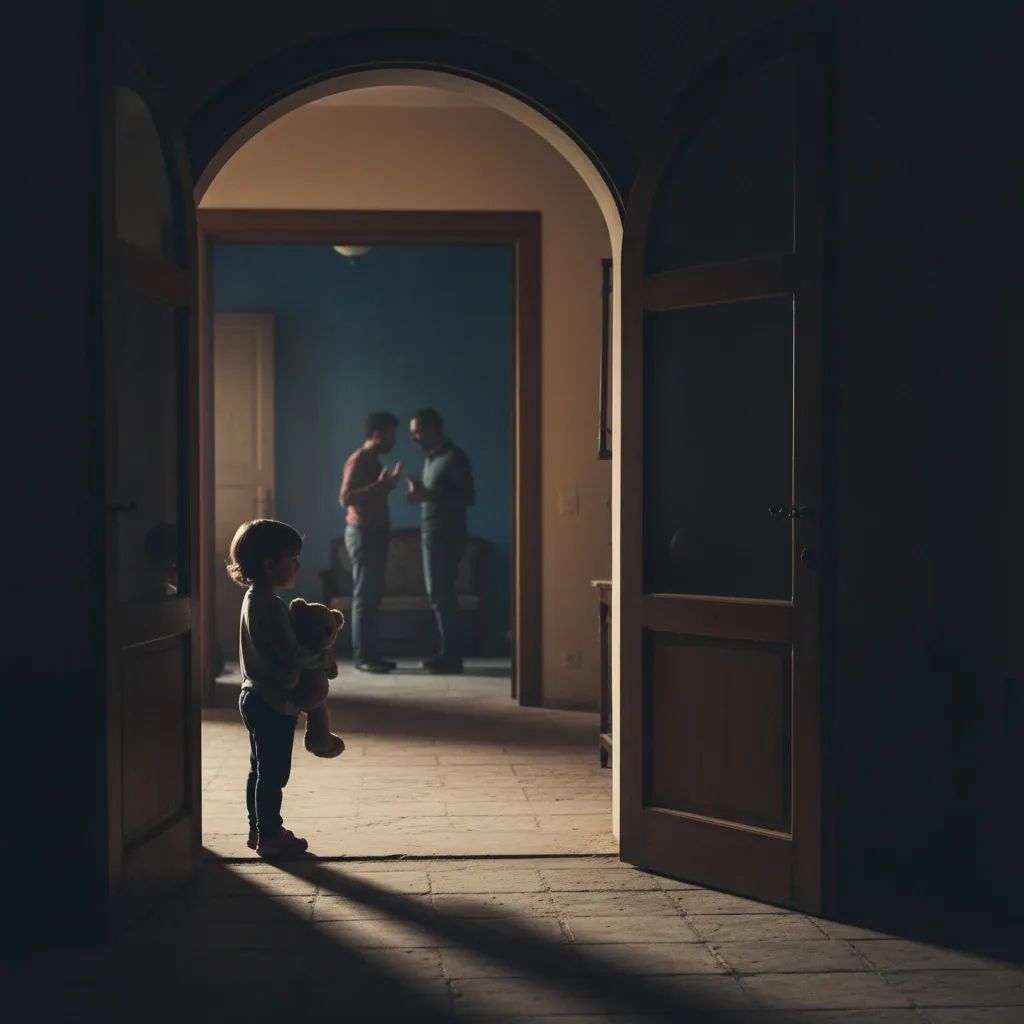
The script engages directly with themes that hold emotional weight: child abuse, mental suffering, suicide ideation, and substance dependency. The production does not resort to implication or narrative distance—it confronts these subjects directly.
Staging at Spazju Kreattiv
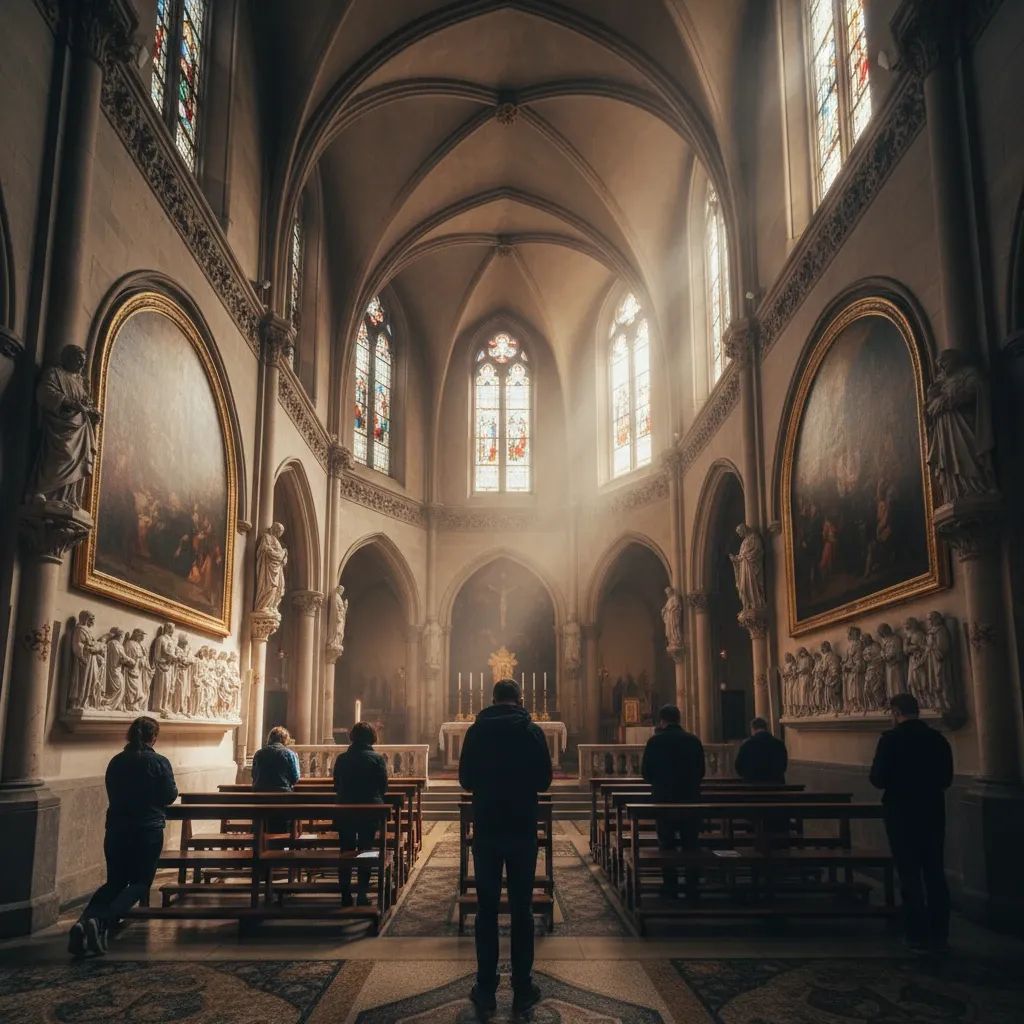
Spazju Kreattiv has positioned itself as Malta's most consistent venue for challenging and experimental work. The March 20-29 run occurs within the institution's typical programming framework: limited schedules designed for critical work to find focused audiences.
This limited window reflects a broader reality in Malta's arts ecosystem. Productions of this nature typically reach audiences through word-of-mouth and direct advocacy rather than sustained institutional promotion. The compact run emphasizes the intensity of the work rather than breadth of attendance.
When Literary Works Find New Life on Stage
The shift toward adapting serious Maltese literature represents a notable development in recent theatrical programming. L-Aħħar 13 arrives at a moment when Maltese theatre has demonstrated willingness to stage intellectually demanding material addressing difficult subjects.
For those attending, L-Aħħar 13 offers direct access to a significant work of Maltese literature in a form designed to intensify rather than simplify. Whether the adaptation captures what readers found in the novel—the sense of witnessing someone's accumulated sorrow and stubborn refusal to collapse entirely—depends on technical execution and audience receptivity.
Yet the fact that such work reaches the stage at all signals a shift in the island's cultural conversation. L-Aħħar 13 is unlikely to fill a large theatre or dominate cultural headlines. Its importance lies elsewhere: in demonstrating that Maltese theatre is willing to stage trauma, to centre family drama and accumulated suffering, and to trust that audiences will show up for art that does not comfort them.