
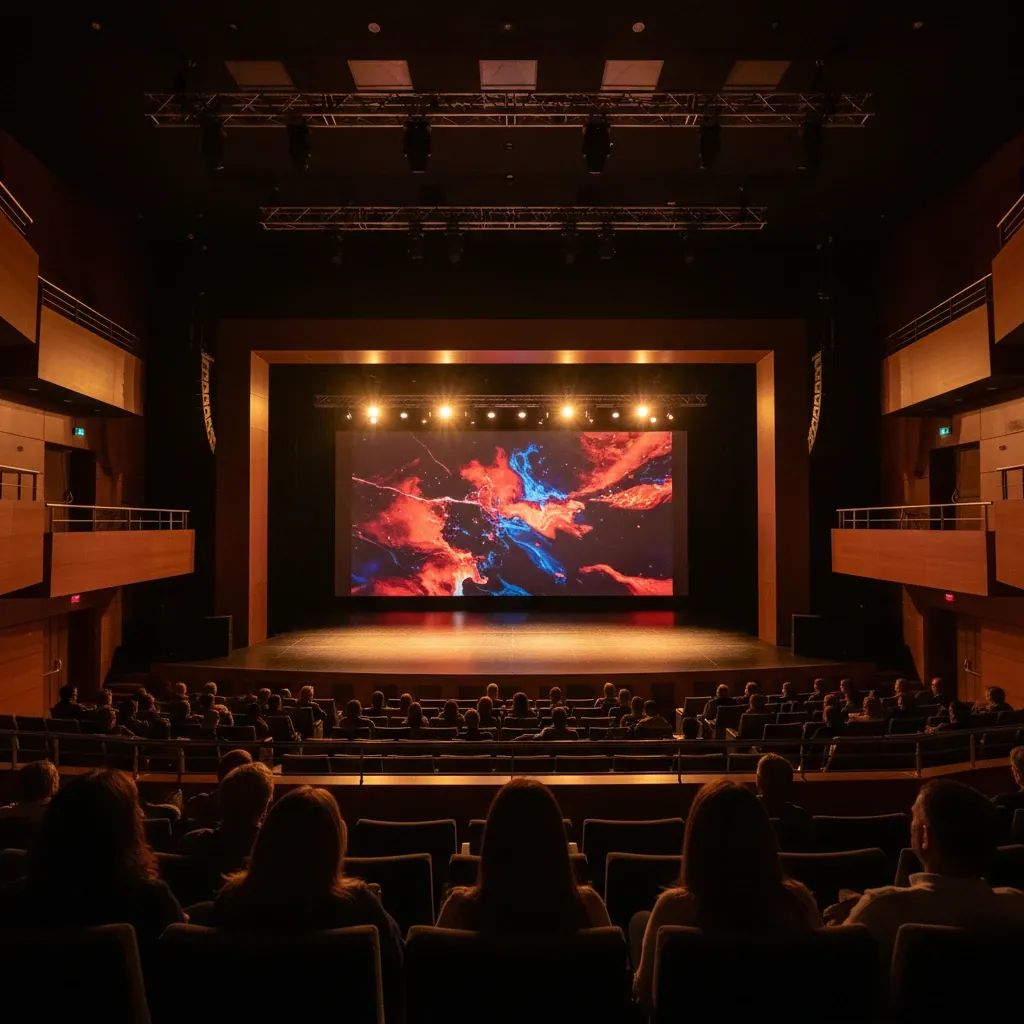
Theatre Next Door in Naxxar will host a three-night festival on April 10-12, 2026, that transforms acclaimed Maltese stage productions into cinematic experiences, offering residents a rare chance to watch contemporary local plays that have long since closed their theatrical runs.
Why This Matters
• Archived performances from recent years will screen April 10-12, 2026, with English subtitles provided for non-Maltese speakers.
• Ticket prices and accessibility make this a low-barrier entry point for those curious about Malta's theatre scene but intimidated by live performances.
• Three distinct works—spanning comedy-drama, political satire, and experimental puppet theatre—showcase the breadth of contemporary Maltese storytelling.
The Festival Lineup
The "Ljieli Teatrali" (Theatrical Nights) programme features three productions originally staged in recent years, now professionally filmed and presented on screen. Each evening at 8:00 PM will spotlight a different work:
Simon Bartolo's Il-Pożittivi, produced by Udjenza, opens the festival on April 10. The comedy-drama examines hope and human connection through the lens of characters living with HIV—a subject rarely tackled on Maltese stages. The production blends humor with emotional weight, a signature approach in Bartolo's body of work.
On April 11, Malcolm Galea's stage adaptation of Charlie Chaplin's The Great Dictator will screen. Mounted by Nikolai Azzopardi Productions, the show features Jamie Cardona in the dual role of the Jewish Barber and the tyrant Adenoid Hynkel. Translating Chaplin's iconic 1940 film into a theatrical format required significant creative reinterpretation, particularly in capturing the physical comedy and political satire that defined the original.
The festival concludes April 12 with Immanuel Mifsud's Daqsxejn Ta' Requiem lil Leli, presented by Theatre Anon. This piece, which premiered at the Malta International Arts Festival in 2018, uses a life-size puppet to explore the interior world of an ordinary man. The production is considered a landmark in experimental Maltese theatre, pushing the boundaries of traditional narrative structure.
What This Means for Residents
For anyone who missed these productions during their brief theatrical runs—or who finds live theatre schedules inconvenient—the festival offers a practical solution. Malta's theatre scene operates on tight budgets and short runs, meaning acclaimed works often disappear after a handful of performances. Filmed screenings extend the life of these productions beyond their original weeks on stage.
The inclusion of English subtitles addresses a persistent barrier for non-Maltese speakers living in Malta. While the island's theatre community produces work primarily in Maltese, many residents—including long-term expats, international workers, and students—lack fluency in the language. Subtitled screenings make local culture accessible without requiring attendance at language classes first.
Tickets can be booked through tnd.com.mt, with pricing structured to compete with standard cinema admissions rather than theatrical ticket rates. This positions the festival as a hybrid cultural experience: the intimacy of theatre with the convenience of film.
Bridging Two Mediums
The festival represents a growing trend in Malta's cultural sector: treating filmed theatre not as a substitute for live performance, but as a complementary format with distinct advantages. Productions originally captured for archival purposes—standard practice for grant-funded theatre in Malta—are being repurposed for public viewing, creating a secondary revenue stream for companies that typically rely on a mix of ticket sales and Arts Council Malta funding.
This approach mirrors international models like the International Online Theatre Festival, which has demonstrated that filmed stage work can reach audiences who would never attend a physical venue. In Malta's case, the geographic constraint works in reverse: the island's small size means most residents live within a 30-minute drive of any theatre, but conflicting schedules and the ephemeral nature of live runs still limit attendance.
The technical quality of these recordings matters significantly. Early attempts to film Maltese theatre often resulted in static, poorly lit recordings that failed to capture the energy of live performance. Modern productions, however, are shot with multiple cameras, professional sound mixing, and editing that preserves the theatrical rhythm while accommodating the cinematic gaze. The difference is visible in productions like Daqsxejn Ta' Requiem lil Leli, where close-ups on the puppet's articulated features reveal details invisible from a theatre seat.
Impact on Malta's Theatre Ecosystem
The festival's broader implications extend beyond three nights of screenings. By creating a second life for theatrical productions, Ljieli Teatrali could potentially address one of the most persistent challenges facing Malta's theatre sector: the inability to recoup production costs from short runs. A play that performs for two weekends might reach a limited audience; a filmed version screened regularly could potentially expand that reach without additional rehearsal costs.
This model also creates an archive of contemporary Maltese culture that didn't exist a decade ago. Theatre scholarship in Malta has historically relied on scripts and reviews rather than visual records, making it difficult to study performance choices, design elements, or directorial vision. A growing library of filmed productions could provide material for academic study and historical preservation.
For Malta's diaspora communities—particularly in countries such as Australia, Canada, and the UK—filmed theatre may offer a tangible connection to the island's evolving cultural identity. While traditional folk performances have been easier to export, contemporary Maltese theatre has remained geographically bound. Digital distribution, even in limited festival contexts, could begin to broaden that accessibility.
The intersection with Malta's film infrastructure is worth noting. The island's role as a filming location for international productions has built considerable technical expertise in cameras, lighting, and post-production. Theatrical filming draws on that same talent pool, creating work opportunities for crew members during gaps between Hollywood shoots. This cross-pollination benefits both industries, raising production standards while keeping local technicians employed.
Practical Details
Theatre Next Door is located in Naxxar, accessible by car via the Mosta-Naxxar road or by public bus routes 31, 41, and 186. Limited parking is available on-site; street parking in the surrounding residential area is unrestricted but fills quickly on event nights. The venue is wheelchair accessible, with adapted seating available upon request at booking.
Each screening runs approximately 90-120 minutes, depending on the production. The venue operates a small bar serving soft drinks, local wine, and snacks; outside food is not permitted. Doors open 30 minutes before showtime, with no late seating once screenings begin.
For residents unfamiliar with Maltese theatrical conventions, a brief note: local theatre often blends Maltese and English dialogue within a single production, reflecting the island's bilingual reality. Even for those with limited Maltese, the subtitle track ensures full comprehension without sacrificing the linguistic texture of the original performances.
Booking through tnd.com.mt requires an email address and payment by credit card or PayPal. Tickets are delivered electronically and can be displayed on a mobile device at the door. Group discounts are available for parties of six or more, making this a practical option for organized outings or community groups seeking a shared cultural experience.
The festival may expand in future years if attendance justifies the model. For now, it represents a test case: can filmed theatre find an audience in Malta, and can that audience sustain regular programming? The answer will likely determine whether other theatrical venues follow suit, transforming how the island preserves and shares its contemporary cultural output.


