Why This Sunday Is Your Chance to See Objects That Never Leave the Vault
The Żabbar Sanctuary Museum, located in Żabbar, a town of approximately 15,000 residents in Malta's southeastern region, is throwing open its doors for a rare seven-hour marathon on May 24, and what sets this apart from a typical weekend outing is the sheer density of historically irreplaceable items on display. For most of the year, this institution tucked beside the parish church opens only until noon. On this single day, residents and visitors gain access from 9 AM to 4 PM—enough unrushed time to absorb narrative, not just race through galleries.
What You're Actually Seeing
The collection feels less like a curated exhibition and more like a carefully preserved record of how Żabbar survived catastrophe. Three distinct threads run through the museum's holdings: plague, aviation disaster, and maritime devotion. Each tells something different about loss and persistence on an island constantly threatened by forces beyond local control.
The Hearse That Carries History
When the brigantine San Nicola docked in Malta's harbor in March 1813, nobody anticipated that stolen cargo would trigger one of the island's deadliest epidemics. The ship, arriving from Egypt, carried more than merchandise—it carried plague. Local thieves pilfered infected goods and sold them in Valletta's markets, turning commerce itself into a death vector. Within weeks, entire families were erased from neighborhoods.
The plague killed roughly 4,500 people in a population of roughly 90,000—a 5% casualty rate that would be unimaginable today. The British colonial authorities responded with measures that sound like dystopian fiction: execution for those who concealed infection. Entire districts were cordoned. Households were sealed. Nothing worked because the disease had already scattered through the population like embers.
The wooden hearse on display at Żabbar Sanctuary Museum isn't a museum piece in the abstract sense. It's a functional cart that Żabbar residents watched move through their streets daily during 1813 and 1814. They loaded their dead onto it. They watched neighbors' bodies hauled away. That wooden frame absorbed the reality of mass death in ways statistics cannot transmit. Looking at it now means confronting what epidemiology cost actual people in actual communities—not in medieval Europe, but through the epidemic's presence in Żabbar's collective memory, passed down through generations of family oral history.
This outbreak represented the final significant eruption of the second plague pandemic, a recurring nightmare that had haunted Europe since the 14th century. Malta's 1813 epidemic marked the disease's dying gasps in Europe; after this, the combination of better quarantine protocols and improving sanitation began to genuinely contain transmission. The plague didn't vanish from the world—it never did—but it stopped returning to Mediterranean populations with its old ferocity.
The 1975 Vulcan Bomber Disaster
October 14, 1975, was one of those dates that splits Żabbar's collective memory into before and after. An Avro Vulcan bomber, a massive Cold War-era military aircraft carrying seven crew members, was scheduled for a routine landing at RAF Luqa. The plane, registration XM645, had flown from RAF Waddington in England. It should have touched down, refueled, and departed. Instead, it became a falling bomb.
During approach, the Vulcan undershot the runway and sheared off its landing gear. Rather than aborting immediately, the pilot—Flight Lieutenant G.R. Alcock—initiated a go-around. This is a standard procedure: climb, circle, try again. But within moments, a fuel tank ignited. The burning aircraft climbed briefly, then exploded directly above Sanctuary Street, the main commercial and residential thoroughfare of Żabbar's town center.
The blast killed five of the seven aircrew instantly. The two pilots, Alcock and Flying Officer E.G. Alexander, ejected seconds before impact and parachuted into orchards surrounding the crash zone. Both survived but required hospitalization at the military facility in Mtarfa. On the ground, a 48-year-old woman named Vincenza Zammit was killed by burning debris and fuel tank fragments. A young boy named Kevin Falzon was critically wounded but ultimately recovered without permanent injury—an outcome residents later attributed to miraculous intervention.
What made the disaster's impact so severe was geography. Żabbar's neighborhoods are densely packed. Over 100 homes and shops were damaged or destroyed. Burning fuel and aircraft hydraulics created fires that firefighters battled for hours. The death toll could have been catastrophic given the population density and the size of the explosion. Instead, it remained surprisingly contained—a fact that prompted the eventual erection of a commemorative plaque expressing gratitude for what locals described as deliverance.
The museum now preserves twisted wreckage recovered from the streets—charred metal fragments that residents collected and the municipality eventually donated to the institution. These fragments aren't abstract historical relics; they're reminders that catastrophe doesn't announce itself politely. It falls from the sky and destroys your street.
The Maritime Collection: Four Centuries of Gratitude Painted on Canvas
Away from plague hearses and aircraft debris lies something spiritually quieter: 85 maritime ex-votos, the largest such collection in Malta. Of these, 74 depict sea-related scenarios—paintings commissioned by sailors and members of the Order of St. John as thank-you offerings to religious figures for surviving shipwrecks, pirate raids, and storms.
The oldest painting dates to 1631, establishing a chain of maritime devotion spanning nearly 400 years. Each ex-voto followed the same logic: a sailor survives a voyage that claimed others. A merchant vessel navigates through corsair-infested waters unscathed. The family commissions a painting—often artistically crude but spiritually earnest—as a permanent record of gratitude. They then donate it to the Sanctuary as a public acknowledgment of divine protection.
This collection embodies how island populations processed their relationship with the sea. For Maltese communities, the Mediterranean wasn't just commerce or transport—it was danger. It was also the source of prosperity. Ex-votos represent the psychological negotiation between gratitude and fear that characterized maritime life for centuries.
The museum also displays two sedan chairs that transported Grand Masters Rafael and Nicolas Cotoner through Valletta's streets, a ceremonial suit of armor gifted by Grand Master Ferdinand von Hompesch zu Bolheim (the last Grand Master before Napoleon's arrival), hand-woven golden embroideries, and a silver replica of a motorcycle crafted by silversmith Michael Grech. These items were donated over decades by civil and religious societies throughout Żabbar, creating a portrait of how a town maintained its identity through collective memory and religious practice.
Why May 24 Matters for Your Schedule
The usual museum hours—9 AM to noon—force visitors into a hurried circuit. Genuine engagement requires lingering. May 24 grants seven continuous hours, which actually allows you to absorb context and join hourly guided tours that provide interpretive framework the collection otherwise lacks. The guides explain why a particular ex-voto matters, connect individual artifacts to historical currents, and contextualize the museum's narrative arc.
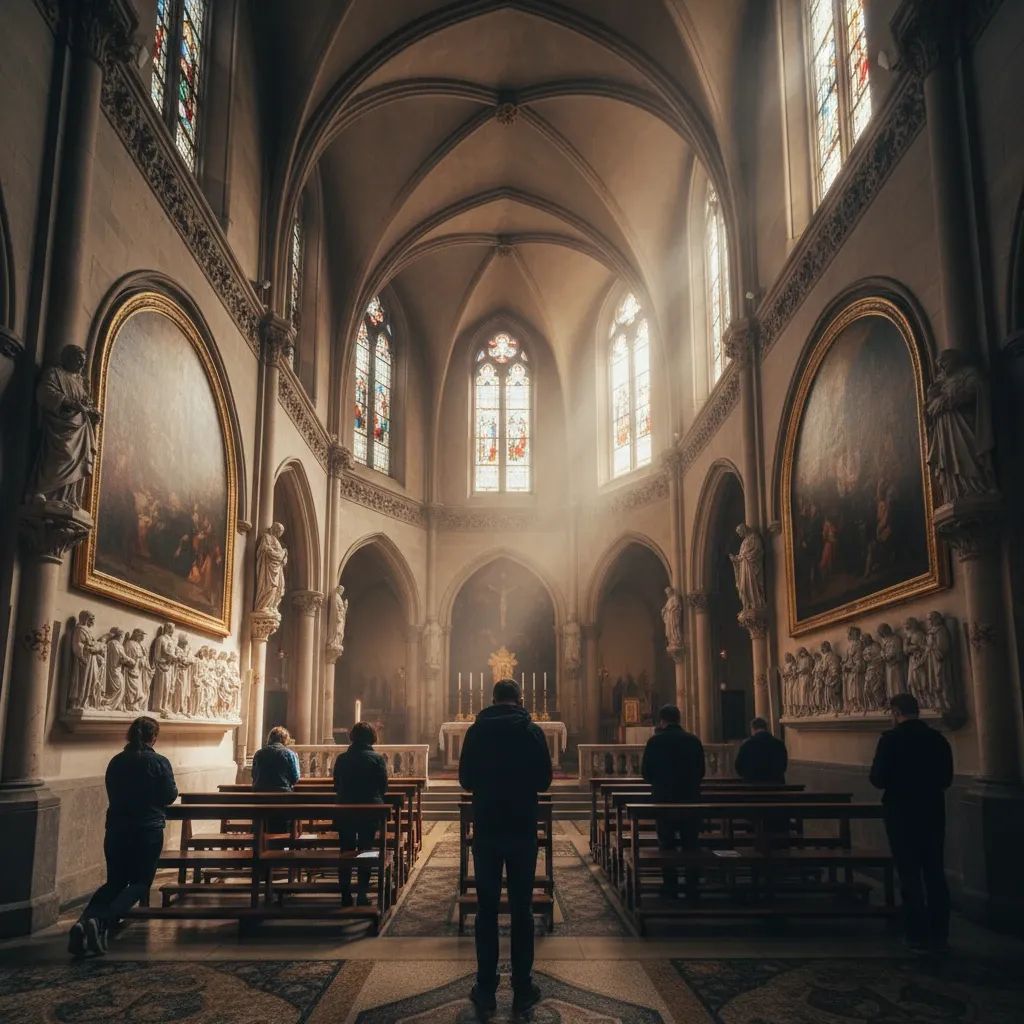
The museum sits adjacent to the Sanctuary of Our Lady of Graces, the parish church that anchors Żabbar's religious and civic identity. Visiting during this extended day means you can explore at a pace that actually yields understanding rather than mere checklist completion.
Admission is free. Guided tours are included. To make the most of your visit, arrive before 11 AM or after 3 PM to avoid parking congestion in Żabbar's narrow town center streets. There's no pressure to rush. Those conditions are genuinely uncommon for Malta's cultural institutions, which makes this particular Sunday worth planning around.