Why Malta Residents Are Trading Urban Density for Sicilian Stone Houses
A quiet shift across the channel is reshaping how people living in Malta think about home. The population of residents in Sicily from Malta has grown steadily—from 164 registered residents in 2022 to 287 by 2025—but the true figure likely exceeds these numbers. Holiday-home owners who spend half the year in renovated farmhouses, remote workers maintaining split lives, and unregistered arrivals navigating Italy's bureaucratic processes remain invisible to official statistics. What began as a trickle of retirees seeking winter warmth has evolved into something broader, where middle-aged professionals, families, and expats now consider relocation as a practical response to housing pressures and quality-of-life concerns.
Why This Matters
• Housing economics: A detached Sicilian property with surrounding land costs the equivalent of a modest Malta apartment; this purchasing power reversal reshapes retirement and life-stage planning for residents with capital to invest.
• Demographic shift: People relocating now span a wider age range, with professionals aged 40–55 increasingly prominent alongside traditional retirees; this broadens who should be considering this option.
• Hidden population: Unregistered arrivals, seasonal residents, and part-time property owners likely push the genuine presence to 400–500 individuals across Sicily's southern regions.
The Economics Behind the Movement
Malta's prosperity masks a significant affordability challenge. The archipelago's gross domestic product per capita reached €67,682 (purchasing power parity) in 2024, placing it 15th in the EU. Yet average net monthly salaries hover around €1,507—insufficient when rent consumes 40–60% of that sum for basic two-bedroom housing. A decade of economic expansion (averaging 6.75% annually between 2014 and 2023) enriched corporations and property investors but left wage earners facing a cost-of-living squeeze that makes London rents look reasonable by comparison.
Sicily inverts this equation. Regional GDP per capita stood at €23,300 in 2024, less than a third of Malta's, but living costs drop even more significantly. Interviews with relocated Malta residents reveal a consistent pattern: selling a modest Valletta flat generates €250,000–€350,000. That same capital purchases a three-storey farmhouse with renovated interior, surrounding orchards, and privacy—all in rural Ragusa or the Caltagirone hinterland. Monthly overheads shrink dramatically. Utilities, food, and local taxes combined often undercut what Malta residents paid in rent alone.
This is not traditional brain-drain. Many residents maintain employment with Malta-based firms in iGaming, fintech, or business services, exploiting internet connectivity to draw Malta-level salaries while working from a Sicilian location. Others, particularly those in their mid-50s, have shifted away from full-time employment altogether, relying on pensions or savings that provide comfortable middle-class lifestyles in smaller towns—an impossibility in Malta without substantial additional income.
Where Residents Are Settling and Why
Eastern Sicily monopolizes newcomer arrivals. Catania municipality and its surrounding satellite communities absorb the largest concentrations, a pattern dictated by ferry schedules and transportation logistics. The Valletta–Catania route, operated by Virtu Ferries, arrives twice daily, making what could be permanent relocation feel like an extended commute spanning two hours. Ragusa province follows closely, its Baroque towns and agricultural character attracting those seeking escape from urban density.
The most striking outlier remains Caltagirone, a ceramics-famous hill town that housed zero registered residents from Malta in 2023. By 2025, the figure jumped to 31. Local property agents credit word-of-mouth momentum: early arrivals share photos of spacious courtyards and terraced vineyards on social media, prompting friends and acquaintances to schedule viewings. Ispica exhibits identical trajectory. These towns foster self-reinforcing clusters. Residents coordinate group outings to regional wineries, celebrate cultural holidays collectively, and share practical intelligence—residency permits, Italian healthcare navigation, vehicle registration protocols—that cushions the transition and reduces isolation.
The Changing Face of Migration
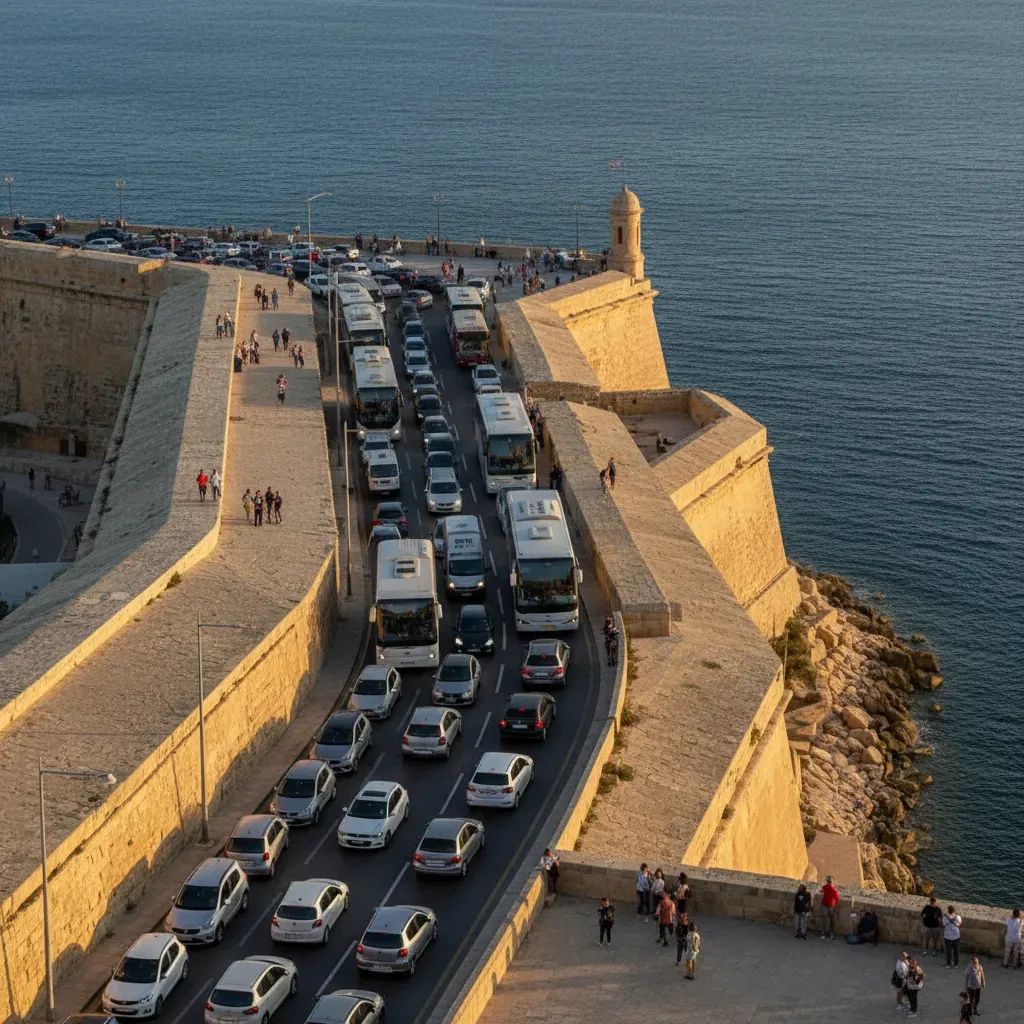
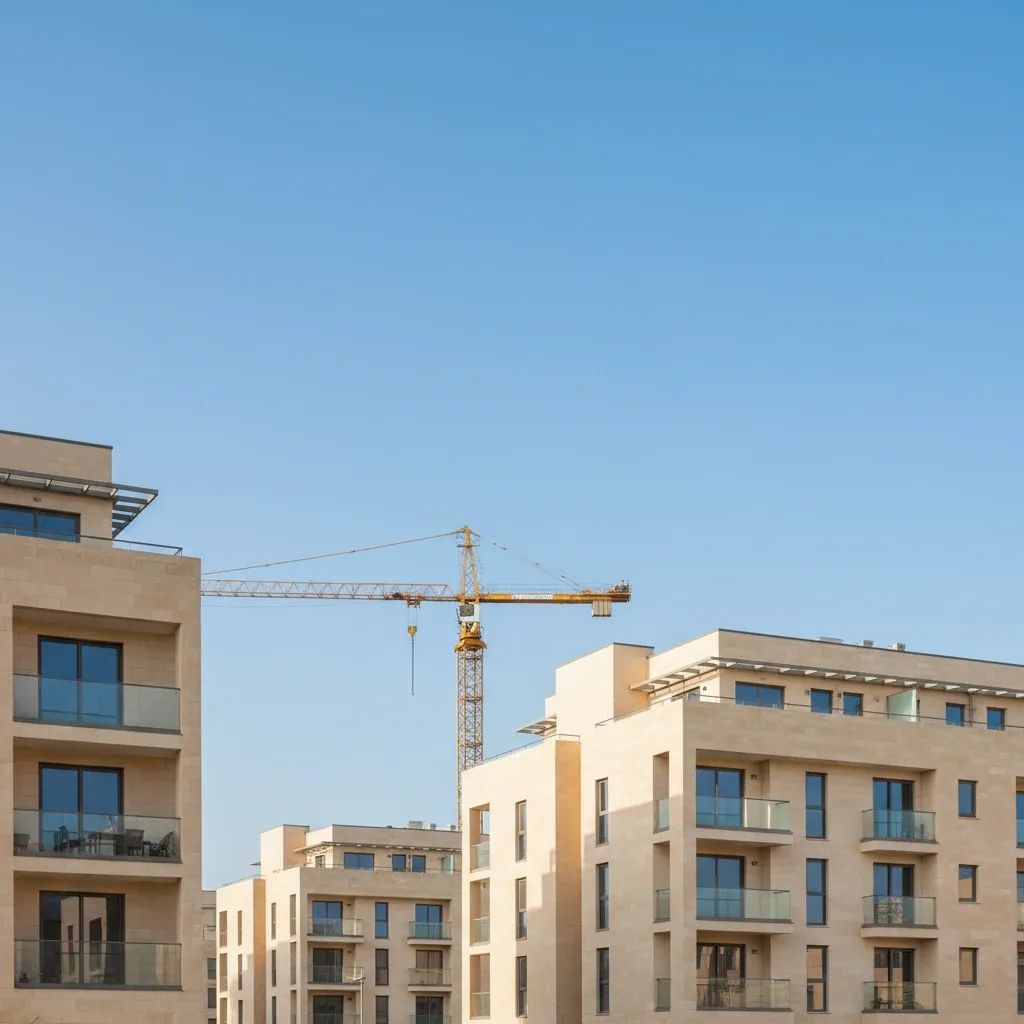
Historically, Malta-to-Sicily movement tracked toward retirement. Pensioners sought Mediterranean warmth and affordable care options. That demographic persists, yet official data from Italy's National Statistics Institute (ISTAT) now captures substantial numbers of professionals aged 40–55 and younger families. These migrants cite work-life balance, prohibitive childcare expenses in Malta, and environmental concerns—the construction boom transforming the archipelago's landscape, congested roads, and vanishing green space—as primary drivers.
Younger families gain immediate practical relief. Sicilian public schools impose minimal fees; private tutors charge fractions of Malta rates; children navigate rural lanes with greater freedom, a luxury uncommon in Malta's densely packed urban areas. Parents reclaim weekend hours previously consumed by traffic on Malta's main highways.
The demographic shift signals something important: contemporary relocation is no longer dominated by retirement but increasingly driven by professionals seeking better work-life balance during economically productive years. People in their mid-40s, having accumulated savings to unlock Sicilian property ownership, are consciously deprioritizing career advancement over environmental quality and domestic space.
The Parallel Flow: Sicilians Coming to Malta
The migration story runs both directions. While Malta residents relocate southward, Sicilians migrate northward with equal intensity. Italians represent the largest foreign-resident cohort on the archipelago, concentrated in hospitality, construction, tourism, and the iGaming sector. For them, Malta functions as an "economic opportunity"—its 3.2% unemployment rate and English-speaking work environments offer career prospects unavailable across the Strait. Sicilian unemployment reaches 13.7%, double the Italian national average, making even modest Malta wages appear significantly attractive.
The irony is mutual. Sicilian restaurant staff serve tourists in Valletta piazzas while Malta residents sip espresso in Noto town squares. Both groups tolerate financial tradeoffs—Sicilians accept cramped Malta flats consuming 50–60% of net income; Malta residents accept lower Sicilian wages or no wages—to access their respective priorities: employment security versus spatial freedom.
Reversals occur regularly. Sicilians who tested Malta's labour market discovered that iGaming salaries, while elevated against Sicilian equivalents, evaporated against rent inflation. Many returned within 18 months. Conversely, some Malta expats retreat from Sicily after confronting Italian healthcare wait times, inconsistent internet speeds, or challenges with cultural integration.
What You Need to Know Before Considering Sicily
For anyone in Malta contemplating relocation, Sicily now represents a practical option. It avoids the linguistic and cultural displacement associated with northern European emigration while preserving proximity to family. Ferry schedules transform relocation from permanent exile into sustainable cross-border living.
Financial considerations: The mathematics favour equity holders. Selling a modest Malta residential property funds outright Sicilian home purchase plus substantial savings. Mortgage-free living—where monthly housing costs approach zero—grants retirees and remote workers financial breathing room impossible on the archipelago. A remote worker earning €2,000 monthly finds comfortable middle-class existence in rural Ragusa; the same income barely covers Malta rent.
Practical obstacles to expect:
• Italian residency applications typically require 4–6 months processing
• Healthcare enrollment demands navigation of fragmented regional systems
• Language barriers persist despite historical dialect overlap
• Tax residency can create complexity: earning Malta pension income while residing in Italy may trigger Italian tax liabilities
• Internet reliability varies significantly outside major towns
The Statistical Picture—and What It Misses
ISTAT's 287-figure captures only formal Sicilian residency registrations. It excludes seasonal residents maintaining Malta addresses to preserve healthcare access. Estate agents across Ragusa estimate this floating cohort adds 100–150 individuals during peak months. Holiday-home purchasers create further statistical gaps—property acquisition for weekend use triggers no residency registration, yet owners may spend 120–150 nights annually on the island. These part-timers vanish from both nations' census data.
Broader context sharpens perspective. Malta saw 43,940 citizens emigrate by 2024, with 2,127 residing across Italy overall. Sicily represents 13.5% of that Italian total—disproportionately high given Sicily's modest economic weight. This concentration underscores the magnetism of proximity, language, and cultural continuity—advantages absent from Malta emigration to Germany (approximately 1,000 residents) or the declining UK diaspora, which peaked at 30,178 in 2001 but contracted to 26,351 by 2021–2022.
Looking Ahead: The Durability Question
Neither the Malta Government nor Sicilian regional authorities have crafted policy frameworks addressing this micro-migration. No specialized visa category exists. Tax treaties don't address dual-residency nuances. No bilateral healthcare agreements smooth transitions. Residents navigate European Union freedom-of-movement rules by default, relying on private legal advisers for guidance.
The trend's longevity depends on ferry reliability and Malta's housing trajectory. If property prices stabilize or construction moderates, cost-of-living pressure eases, potentially dampening outflows. Conversely, expanded ferry capacity could normalize weekly cross-border movement and accelerate departures.
For now, the documented population in Sicily represents the visible fragment of a broader life-stage opportunity. It lets residents retain cultural connections and family proximity while escaping the spatial and financial pressures affecting Europe's densest nation. What began as quiet retirement tourism has evolved into a more deliberate choice—a recognition that prosperity and quality of life don't always align, and that sometimes meaningful alternatives exist closer than expected.