The Malta government, regardless of its composition after the next election, faces a window of opportunity that may not remain open indefinitely. The economic decisions made in the coming months will directly affect your job security, your bills, and the public services you depend on—and the window to make the right decisions is narrowing. Current economic stability provides the breathing room needed to fundamentally rethink how Malta positions itself for the next decade—a period likely to be marked by global growth deceleration, inflationary friction, and geopolitical instability. The question is whether the next administration will use this moment to modernize infrastructure, deepen human capital, and build structural resilience, or squander it on short-term political expedience.
Why This Matters
• Global growth is slowing to 3.1% in 2026, down from recent years and below pre-pandemic norms, driven by Middle East conflicts and tighter financial conditions. Malta's economy is directly exposed to these global headwinds through trade, tourism, and financial services.
• Malta's next administration will inherit an economy operating in a narrowing growth corridor, making strategic infrastructure and workforce investment urgent for protecting jobs and living standards.
• Countries like Singapore, Norway, and Canada have shown that sustained investment in human capital and green infrastructure pays dividends in productivity and quality of life—benchmarks Malta can follow.
The Global Economic Reality Facing Malta
The international backdrop is sobering. The United Nations forecasts global output expansion of just 2.7% this year, dragged down by energy market volatility linked to Middle Eastern geopolitics and persistent inflation in both advanced and emerging economies. The US Federal Reserve's personal consumption expenditures index is projected to hit 3.2% by the fourth quarter, well above its 2% target, while the European Union anticipates growth of only 1.3%, dampened by transatlantic tariffs and policy uncertainty.
For a small, open economy like Malta, these headwinds translate into direct exposure. Trade flows slow when major partners contract. Inflation imported through energy and goods erodes household purchasing power. And when China's growth slides to 4.4% and Japan's to 0.4%, the ripple effects touch even Mediterranean micro-states dependent on tourism, financial services, and digital commerce.
Yet economic vulnerability is not destiny. The same World Bank and UN reports that highlight global fragility also point to a clear path: countries that prioritize adaptability, fiscal discipline, and structural reform fare better in turbulent cycles. Malta has the advantage of relatively strong public finances and a diversified service economy—assets that, if leveraged correctly, can insulate the island from the worst external shocks.
What This Means for Your Life
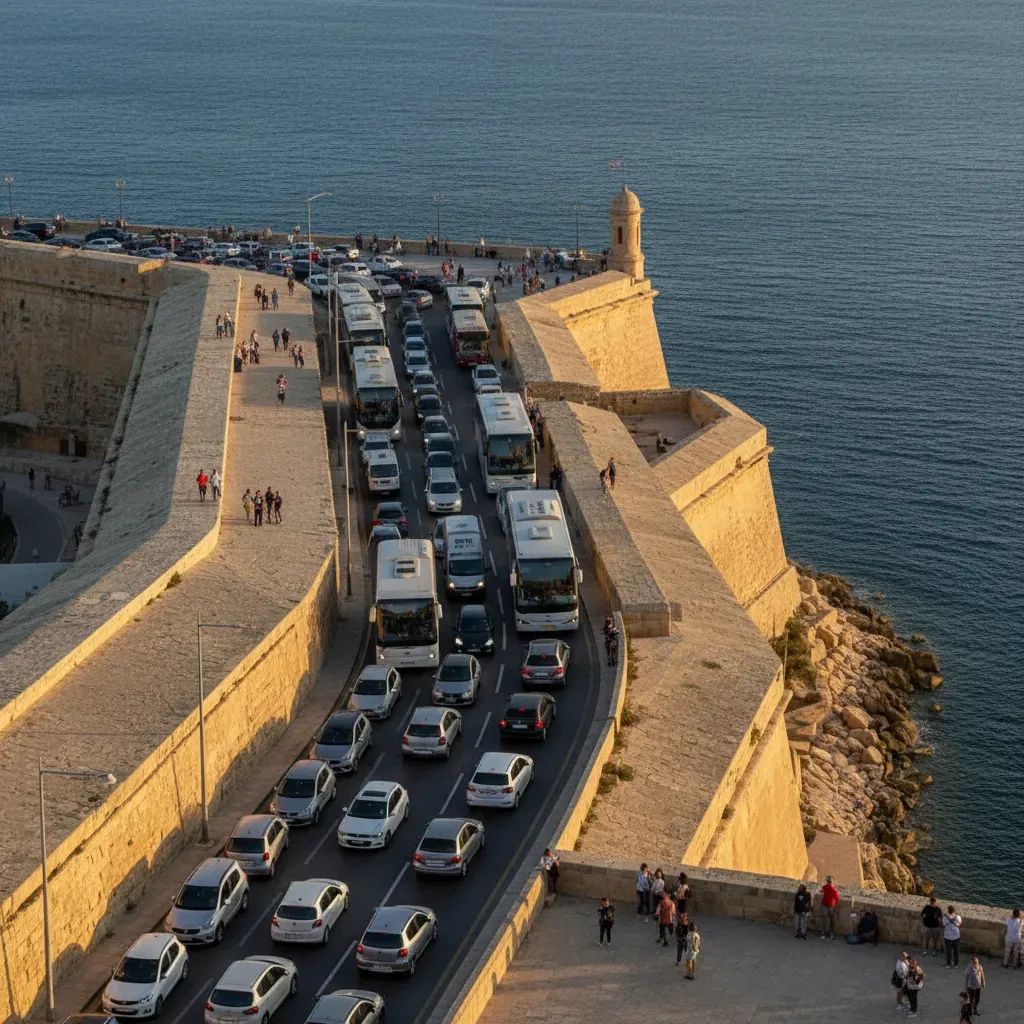
The next government's economic strategy will directly shape job security, cost of living, and public service quality for everyone living on the islands. If infrastructure investment stalls, you'll continue losing hours in daily traffic while businesses struggle with logistics bottlenecks. Malta ranks among the EU's most congested nations for road travel, and with population pressures mounting, infrastructure upgrades are no longer optional.
If workforce development is neglected, Malta risks falling behind in the AI-driven economy that is already reshaping labor markets globally—particularly in the US, where AI and data infrastructure spending is propping up moderate growth forecasts near 2%. For Maltese workers, this means fewer high-value job opportunities and increased competition from abroad.
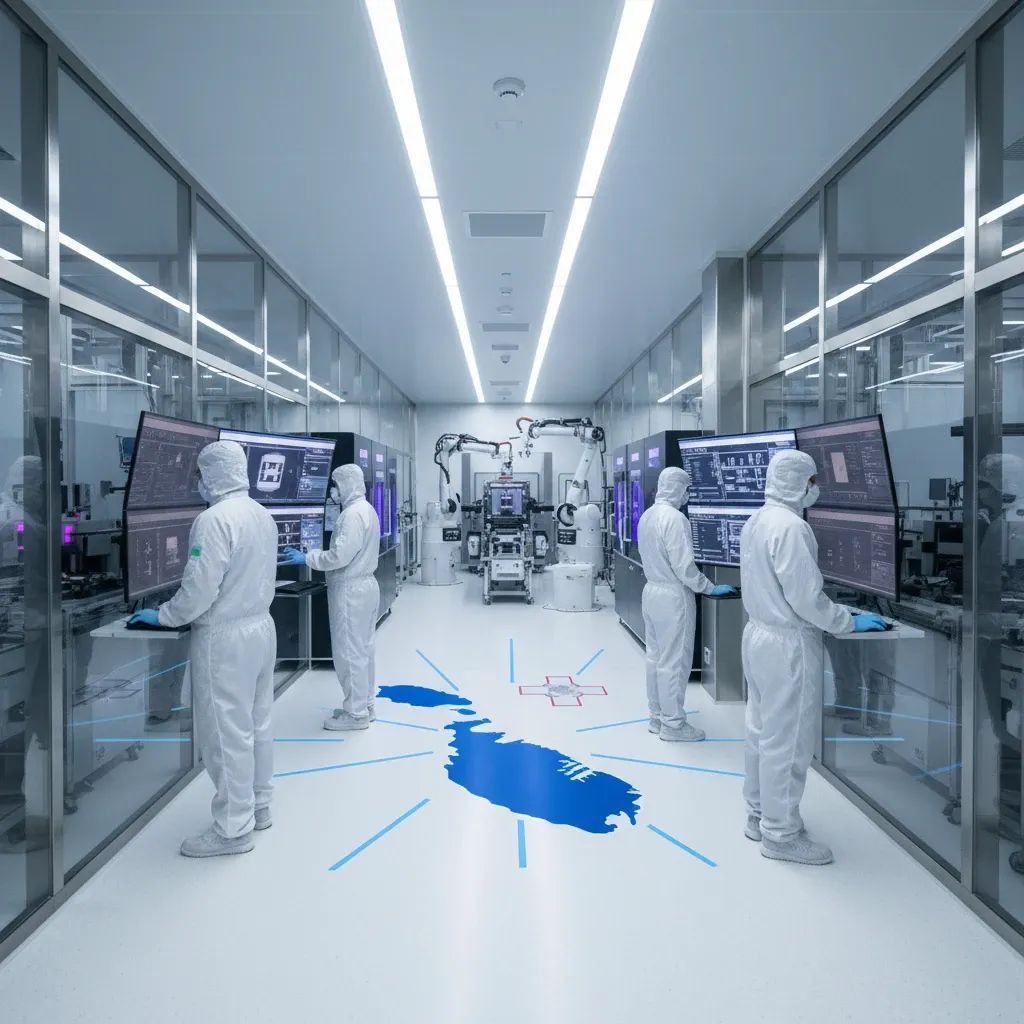
Conversely, strategic moves can yield tangible benefits for your wallet and career. Investing in renewable energy infrastructure can lower electricity costs over time and reduce exposure to volatile fossil fuel markets. Upgrading digital connectivity and transport networks makes Malta more attractive to remote workers and tech startups, diversifying revenue streams beyond traditional tourism and potentially creating better-paid jobs. And a serious push on education and skills training—modeled on the sustained commitments seen in Singapore, South Korea, and Finland—ensures the next generation can compete for high-value jobs rather than low-wage service roles.
The stakes are also fiscal. Global policymakers are being urged to restore fiscal buffers and maintain credibility in the face of mounting debt and inflation pressures. For Malta, this means any new spending must be disciplined, targeted, and tied to long-term productivity gains rather than populist handouts.
Learning from Global Leaders
Malta does not need to reinvent the wheel. Several nations have already demonstrated how strategic investment in people and infrastructure can drive sustainable growth even in uncertain times.
Education: The Singapore Model
Singapore remains the gold standard for human capital development. The city-state's education system blends academic rigor with practical skills training, producing a workforce that adapts quickly to technological change. Its healthcare infrastructure supports high life expectancy and low child mortality, translating into a more productive society overall. The payoff is visible in Singapore's consistently high Human Capital Index score and GDP per capita.
Energy: Norway and Iceland's Success
On the infrastructure front, Norway offers a compelling case study. The country has aggressively adopted electric vehicles and invested in renewable energy systems, positioning itself for a low-carbon future while maintaining economic competitiveness. Iceland runs 85% of its energy on renewables and aims for carbon neutrality by 2040, while the Netherlands has powered its passenger trains entirely on clean energy since 2017.
Infrastructure Innovation: Public-Private Models
Even mid-sized economies have found innovative models. India's hybrid-annuity public-private partnership for the Clean Ganga Program attracted significant private capital for sustainable sewage treatment, demonstrating that well-designed PPP frameworks can mobilize resources without overburdening public budgets. Canada and the United Kingdom are recognized for treating infrastructure as an integrated ecosystem rather than isolated projects, yielding better societal, economic, and environmental outcomes.
Malta's challenge is scale. The island cannot match the resources of these larger nations, but it can adopt their principles: diversify energy sources, upgrade critical networks, and invest systematically in education and healthcare. The return on these investments compounds over time, creating resilience that pays off when the next crisis arrives.
Building Resilience in Real Time
The 2026 economic environment demands a dual approach: long-term structural reform coupled with agile, real-time policy adjustments. Malta's government must be able to pivot quickly when inflation spikes or supply chains seize up, while simultaneously laying the groundwork for decades of sustainable growth.
Agile fiscal and monetary frameworks are essential. Any relief measures should be temporary, targeted, and fiscally sustainable—supporting households and businesses through short-term shocks without creating long-term obligations that constrain future budgets. Social safety nets, including well-designed cash transfer programs, can prevent poverty spikes without becoming permanent drains if structured correctly.
Technology plays a critical role in responsiveness. Real-time data analytics and flexible forecasting models allow governments to adjust policies rapidly as conditions evolve. The AI boom presents both an opportunity and a challenge: Malta can harness technology to streamline public services and boost productivity, but only if the workforce is trained to use it effectively.
Diversification remains the ultimate hedge against volatility. Economies that rely on a single sector—whether tourism, manufacturing, or finance—are inherently more vulnerable to external shocks. Malta has made progress in broadening its economic base, but further diversification into green tech, digital services, and high-value manufacturing would reduce dependency on any single income stream.
International cooperation is equally vital. Global challenges like cyber threats, climate disruption, and trade tensions require coordinated responses. Malta's voice in EU forums and its participation in multilateral initiatives can amplify its influence and provide access to shared resources and best practices.
The Infrastructure and Workforce Imperative
Two priorities stand out as non-negotiable: modernizing physical infrastructure and deepening human capital investment. Both are force multipliers that enhance every other policy intervention.
Malta's road network, energy grid, and water systems are under strain from population growth and economic expansion. Road congestion, power reliability concerns, and periodic water scarcity are recurring issues that impose direct costs on your daily life and businesses alike. Upgrading these systems—preferably with an eye toward sustainability and climate resilience—would improve quality of life while reducing long-term operating costs. Grid redundancy, for instance, can prevent costly blackouts, while renewable energy capacity insulates the islands from imported fuel price shocks.
Human capital is equally critical. The World Bank's Human Capital Index shows that countries investing in education, health, and skills training consistently outperform peers in GDP per capita and productivity. For Malta, this means sustained funding for schools, universities, and vocational programs, particularly in STEM fields and digital literacy. It also means healthcare systems that keep the workforce healthy and minimize absenteeism.
Workforce adaptability is paramount in an era of rapid technological change. As AI and automation reshape industries, workers need the skills to transition into new roles rather than being left behind. Malta's small size is an advantage here: targeted training programs can be rolled out quickly and adjusted based on feedback, creating a nimble labor force that evolves with the economy.
The Fiscal Balancing Act
All of this requires money, and Malta's next government will face hard choices about revenue and spending. The global emphasis on restoring fiscal buffers reflects widespread concern that many countries entered the current downturn with depleted reserves and high debt levels. Malta's public finances are relatively sound, but that advantage can erode quickly without discipline.
The key is ensuring that every euro spent generates a return. Infrastructure projects should be evaluated on productivity gains and long-term cost savings, not political optics. Social programs should be means-tested and outcome-focused, delivering measurable improvements in education, health, or employment. And tax policy should balance the need for revenue with incentives for investment and entrepreneurship.
Public-private partnerships offer one path forward, as demonstrated by India's sewage treatment program and Timor-Leste's port project. By sharing risk and leveraging private capital, governments can deliver infrastructure without ballooning debt. The challenge is structuring these deals to protect public interests while giving investors sufficient certainty to commit resources.
A Narrow Window
Economic windows do not stay open indefinitely. The combination of relative stability, manageable debt, and global policy momentum toward resilience creates a rare moment for Malta to make strategic bets. Waiting for perfect conditions or political consensus will likely mean missing the opportunity altogether.
The next administration—whether continuity or change—must recognize that the global economy of 2026 is not the economy of 2020. Growth is slower, inflation stickier, and geopolitical risks higher. Business-as-usual strategies will deliver diminishing returns. What worked during boom times will falter in a more constrained environment.
Malta's advantage lies in its agility. A small nation can implement reforms faster than a continental giant, pivot strategies with less bureaucratic inertia, and experiment with models that larger economies would find unwieldy. But agility only matters if paired with vision, discipline, and a willingness to invest in the future rather than mortgage it for short-term gains.
What Happens Next
With elections approaching, these economic priorities are likely to become central campaign issues. As residents, you have the opportunity to hold candidates accountable for how they plan to address infrastructure bottlenecks, create quality jobs, and protect your cost of living. The economic choices made over the next few years will shape Malta's resilience—and your own financial security—for the decade ahead. The question is whether Malta's political leadership will choose to do so—and whether voters will demand nothing less.