The Malta health system faces an intensifying challenge as heatwaves transform from seasonal nuisances into year-round public health crises, with residents over 65 bearing the brunt of a climatic shift that demands immediate action from families, communities, and government agencies alike.
Why This Matters:
• Mortality surge: Heat-related deaths among people over 65 have jumped significantly globally between 2000–2004 and 2017–2021, according to the World Health Organization.
• Local vulnerability: Malta's urban heat island effect, combined with aging housing stock and a high proportion of elderly living alone, creates a serious challenge for heat-related medical emergencies during summer months.
• Aging population: By 2030, Malta's residents over 65 are projected to represent a substantial portion of the population, increasing demand for heat protection measures and healthcare resources.
The Physiology of Heat Vulnerability
The human body's cooling machinery degrades with age, and Malta's growing senior population confronts this reality every summer. Thermoregulation—the body's ability to maintain a stable internal temperature—becomes progressively less efficient after age 60. Sweat glands produce less moisture, blood vessels lose their flexibility to dilate and dissipate heat, and the brain's temperature sensors dull, meaning older adults often don't realize they're overheating until heat exhaustion has already set in.
This biological disadvantage compounds when chronic conditions enter the equation. Cardiovascular disease, diabetes, and kidney disease are common among Malta's elderly population and independently raise heat vulnerability. Each condition can complicate the body's ability to regulate temperature during heat stress.
The medication cabinet presents another hidden danger. Diuretics, prescribed widely for hypertension and heart failure, accelerate fluid loss. Beta-blockers slow the heart rate, hampering the cardiovascular system's heat response. Antihistamines and certain antidepressants suppress sweating. Research indicates that many heat-related hospitalizations involve patients taking medications known to interfere with temperature regulation—yet few receive counseling about heat precautions from their prescribing physicians.
When Heat Becomes a Medical Emergency
Heat exhaustion announces itself through a constellation of symptoms: profuse sweating, cold and clammy skin despite high ambient temperatures, rapid but weak pulse, muscle cramps, profound fatigue, nausea, and dizziness. The body is signaling it can no longer maintain cooling operations. Treatment requires immediate action—moving to an air-conditioned space, removing excess clothing, applying cool wet cloths to pulse points (wrists, neck, armpits, groin), and sipping water slowly.
Without intervention, heat exhaustion can progress to heat stroke—a true emergency where the body's core temperature rises significantly and the sweating mechanism shuts down. Skin turns hot, red, and paradoxically dry. The pulse becomes rapid and strong. Confusion, slurred speech, seizures, and loss of consciousness can follow as the body's temperature reaches dangerous levels. Heat stroke carries a serious mortality risk even with treatment, and older adults face disproportionately higher risk.
Recent research underscores the scale of the problem: heatwaves generate significant additional deaths among older adults in temperate climates during extreme temperature periods. This risk is concentrated disproportionately among low-income communities where air conditioning remains a luxury, not a given, and among those with cognitive impairment who cannot recognize danger signals or take protective action.
What This Means for Maltese Residents
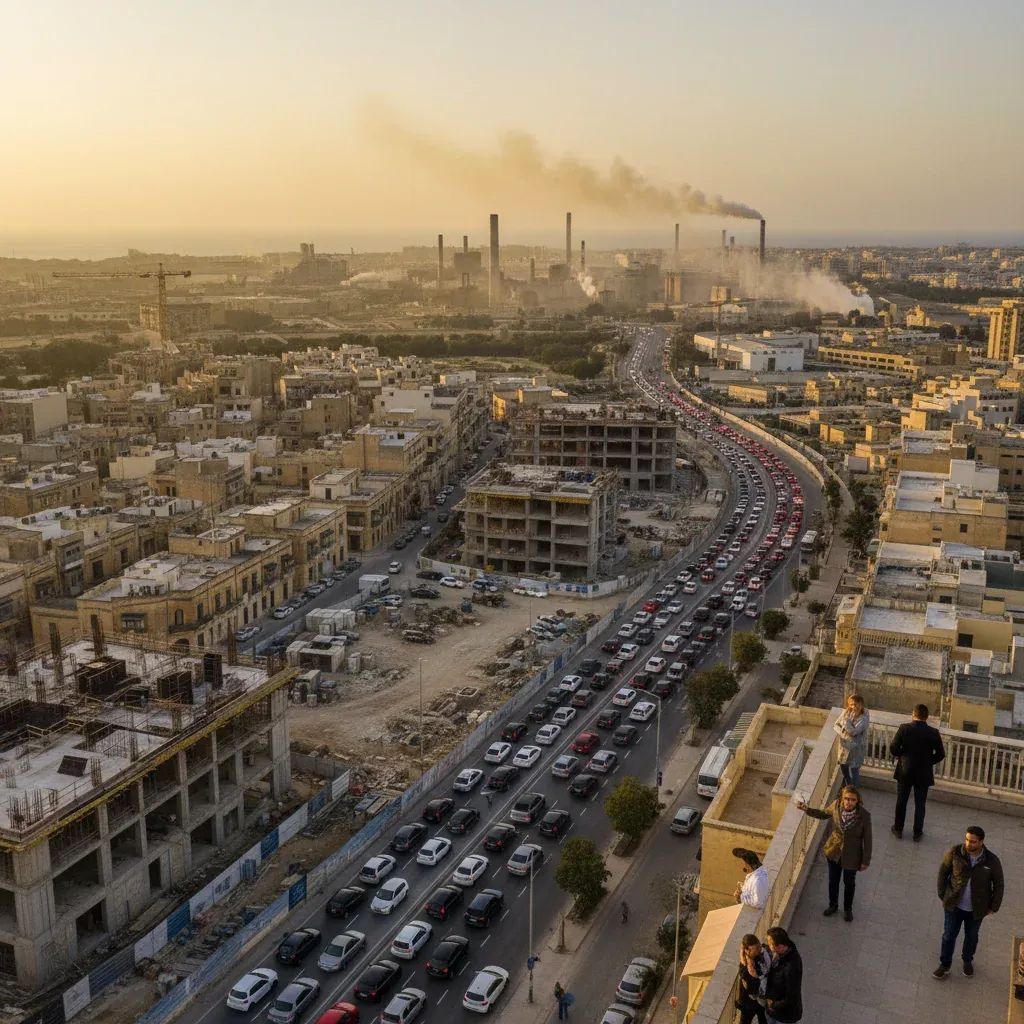
Malta's geographical reality—a small, densely populated island with limited green space and extensive concrete surfaces—amplifies heat retention. Urban areas like Valletta, Sliema, and Birkirkara experience noticeably higher temperatures than rural zones during peak heat periods. For many Maltese residents over 75 living alone, this environment becomes genuinely life-threatening without intervention.
Financial constraints intersect with heat vulnerability in predictable ways. Running air conditioning continuously can substantially increase electricity bills—a significant expense for many retirees living on fixed incomes. This forces difficult choices between cooling the home and paying for medications and food. The Malta government operates energy assistance programs that theoretically address this gap, but bureaucratic complexity and limited awareness mean uptake remains inconsistent.
To learn about energy support available to you, contact your local council or the Ministry for Social Policy office in your area.
Social isolation transforms a meteorological event into a medical crisis. An older person living alone may not recognize their own symptoms of heat stress. They may lack transportation to cooling centers. They may hesitate to seek help. The "buddy system"—regular check-ins by neighbors or relatives, ideally twice daily during heat alerts—proves lifesaving in study after study, yet remains inconsistently implemented across Maltese communities.
Practical Defense Strategies
The evidence base for heat protection is robust. Air conditioning represents the single most effective intervention, reducing heat-related mortality significantly when accessible. For Malta residents without home AC, identifying nearby cooling locations before summer arrives becomes critical: public libraries, shopping centers like The Point or Bay Street, senior community centers operated by your local council, and officially designated cooling stations operated by local councils during heat alerts.
Hydration protocols require deliberate attention. Older adults should consume at least 1.5–2 liters of water daily during heat periods, increasing during extreme events—even without feeling thirsty. Sports drinks containing electrolytes help replace minerals lost through perspiration. Conversely, alcohol and caffeine act as diuretics, accelerating dehydration; coffee enthusiasts should match each cup with an additional glass of water.
Clothing choices matter more than many realize. Loose, lightweight, light-colored natural fabrics (cotton, linen) allow air circulation and reflect solar radiation. Dark synthetics trap heat against skin. A wide-brimmed hat becomes essential for any outdoor exposure. Cooling scarves—fabric tubes filled with water-absorbing polymers that stay cool for hours when soaked—provide portable relief.
Home modifications can reduce indoor temperatures without air conditioning: closing shutters and drawing heavy curtains during daylight hours, creating cross-ventilation by opening windows on opposite sides of the dwelling after sunset, avoiding oven and stove use in favor of cold meals or microwave cooking, and unplugging heat-generating electronics. Reflective window film, available at hardware stores, blocks significant solar heat gain.
Community and Government Response Frameworks
The Malta Ministry of Health has adopted elements of successful international heat response models, but implementation remains uneven across the island. The national heat alert system issues warnings based on meteorological forecasts, yet these rarely translate into proactive outreach to the most vulnerable households.
Local councils bear primary responsibility for operating cooling centers and conducting welfare checks during heat emergencies. To find your local council's services and heat response programs, contact your local parish office directly or visit the Malta Local Councils Association website.
For heat alerts and official guidance, monitor announcements from the Malta Ministry of Health and register for emergency alerts through your local civil protection office.
Healthcare providers represent an underutilized intervention point. Every elderly patient prescribed diuretics, beta-blockers, or anticholinergic medications should receive explicit counseling about heat risks and personalized hydration targets—yet these conversations rarely happen systematically.
Voluntary organizations fill critical gaps. The Malta Red Cross operates a telephone befriending service. Contact 1800 2000 for information about their services. Caritas Malta coordinates emergency assistance including portable cooling devices for vulnerable households—reach them at 21 233 983 or through their website. Richmond Foundation provides mental health support at 1770 or support@richmoundfoundation.org.mt, recognizing that extreme heat correlates with increased anxiety and stress in vulnerable populations.
The Broader Context
Malta confronts heat vulnerability against a backdrop of accelerating climate change. Temperature records shift with increasing frequency, and summer conditions are becoming more extreme. Projections suggest Malta will experience intensified heat stress in coming decades, with summer temperatures potentially reaching dangerous levels more frequently.
This trajectory demands systemic adaptation. Urban planning must prioritize shade structures, green corridors, and cooler pavement materials. Building codes should mandate heat-resilient design in new construction and retrofits. Energy policy needs to recognize cooling as essential infrastructure during emergencies, with targeted support ensuring vulnerable residents maintain safe indoor environments during heat alerts.
The demographic dimension intensifies the challenge. Malta's population is aging; residents over 65 represent an increasing share of the total population. Each year brings greater numbers of individuals at elevated heat risk, translating to greater demand for cooling resources, medical services, and social support networks.
Recognizing When to Seek Help
Family members and caregivers must monitor for warning signs during heat periods: decreased alertness, unusual irritability, reduced urine output, dry mouth despite fluid intake, complaints of muscle cramps or weakness, and persistent rapid heartbeat. Any combination warrants immediate cooling measures and medical consultation.
Severe heat emergency symptoms—confusion, loss of consciousness, seizures, or extremely high body temperature—require calling 112 immediately. While waiting for ambulance services, move the person to the coolest available location, remove excess clothing, and apply cool water to skin, focusing on pulse points. Do not offer fluids to someone who is confused or unconscious.
The Mater Dei Hospital emergency department reports predictable surges in heat-related admissions during temperature spikes, straining capacity during peak summer periods. This underscores the importance of prevention: every case of heat exhaustion managed at home is one fewer crisis overwhelming the healthcare system.
Building Year-Round Resilience
Heat preparedness cannot remain a summer-only concern. Autumn and winter provide critical windows for planning: identifying cooling locations, establishing buddy networks, servicing or acquiring air conditioning, reviewing medications with physicians, and developing personalized heat response protocols.
Families should create explicit plans designating who checks on elderly relatives, how often, and what specific indicators warrant escalation. This might mean daily phone calls with scripted questions about hydration, indoor temperature, and symptoms, plus in-person visits during heat alerts. Written protocols prevent assumptions and ensure consistency when multiple caregivers share responsibility.
For older Maltese residents determined to maintain independence, preparation means assembling resources before crisis strikes: installing window films, stocking electrolyte drinks, programming emergency numbers into speed-dial, and perhaps most importantly, recognizing that seeking help during extreme heat is a practical safety measure, not a burden.
The expanding reach of extreme heat in Malta transforms what was once an inconvenience into a genuine survival challenge for the island's most vulnerable residents. The tools to protect older adults exist; the remaining task is ensuring they reach every household that needs them.
Key Malta Emergency and Support Numbers:
• Emergency Services: 112
• Malta Red Cross Befriending Service: 1800 2000
• Caritas Malta: 21 233 983
• Richmond Foundation Mental Health Support: 1770 or support@richmoundfoundation.org.mt
• Local Council Services: Contact your parish office for local cooling centers and welfare checks