
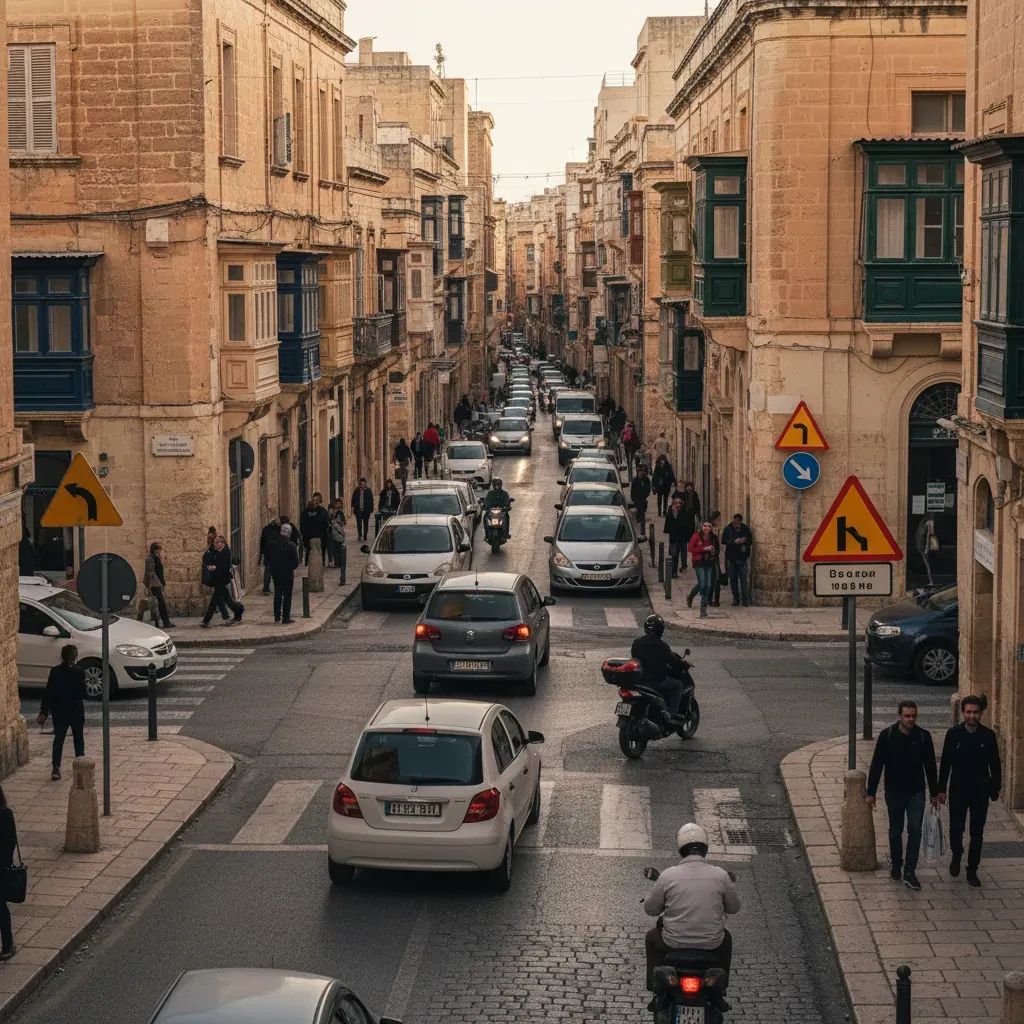
Malta shifts to summer time this weekend, trimming an hour from the night and pushing sunrise and sunset forward in what amounts to the island's bi-annual ritual of clock adjustment.
At precisely 2:00 AM on Sunday, March 30, every clock in Malta will automatically jump to 3:00 AM, marking the official end of winter time and the return to Central European Summer Time (CEST). Residents will wake up to one hour less sleep but gain an extra hour of evening daylight that will stretch well into the warmer months.
Why This Matters
• Shorter night: Saturday into Sunday offers one less hour of rest — expect groggy commutes and fewer fresh-baked pastries available during Monday morning coffee runs.
• Time zone shift: Malta moves to GMT+2, widening the gap with the UK and aligning more closely with Eastern Europe.
• Longer evenings: Sunset will arrive an hour later in local time, extending outdoor dining, beach visits, and after-work activities into the evening.
What the Time Change Actually Does
The shift is not about adding or removing daylight — the sun's schedule remains unchanged. What changes is Malta's relationship to the clock. By pushing the hour forward, the government essentially relocates an hour of morning light to the evening, a move designed to align with European Union coordination.
In practical terms, sunrise on Monday, March 31, will occur around 6:40 AM instead of the 5:40 AM it would have been under winter time. Sunset, meanwhile, will land closer to 7:30 PM instead of 6:30 PM, giving commuters, families, and hospitality workers noticeably longer evenings.
For most Maltese households, smartphones, laptops, and smart home devices will update automatically. Traditional analog clocks, car dashboards, and kitchen appliances will require manual adjustment — a chore that, despite decades of repetition, still catches many off guard every spring and autumn.
International Coordination and the GMT+2 Position
Once the clocks move forward, Malta will sit at GMT+2, the same offset as Greece, Cyprus, Romania, and much of Eastern Europe. This places the island two hours ahead of the United Kingdom, which remains at GMT+1 during British Summer Time, and one hour ahead of Portugal, which observes GMT+1 year-round during summer.
The change is coordinated across the European Union, with all member states moving to summer time on the last Sunday of March and reverting to winter time on the last Sunday of October. The synchronization ensures smoother cross-border business, transport scheduling, and communication for industries like aviation, finance, and logistics.
Practical Checklist for Residents
To avoid the usual pitfalls, Maltese residents should:
• Set alarms manually for Saturday night if relying on older devices.
• Adjust medication schedules gradually, especially for time-sensitive prescriptions.
• Shift bedtime earlier by 15–20 minutes on Friday and Saturday to ease the transition.
• Update car clocks and appliances on Sunday to avoid confusion with appointment times.
• Allow extra time for Monday morning routines, particularly with children.
The return to winter time will not occur until the final Sunday of October 2025, when Malta will shift back to GMT+1 and reclaim that lost hour of sleep. Until then, the island settles into six months of longer evenings and shorter mornings — a trade-off that, for better or worse, defines the rhythm of spring and summer in the Mediterranean.


