Flimkien għal Ambjent Aħjar (FAA), the Malta-based environmental and heritage advocacy NGO, is launching a two-part lecture series this month that promises to decode one of Europe's most visually striking—and least understood—historical artifacts: the 400 marble tombstones that carpet the floor of St John's Co-Cathedral in Valletta. The sessions, led by Dane Munro, a visiting senior lecturer at both the University of Malta and the University of Primorska, will unpack how the Knights of St John used art, symbolism, and memory to construct a shared identity—and what that legacy means for Malta today.
Why This Matters
• Europe's most extraordinary floor: Nearly 400 intricately designed marble slabs, each a unique work of Baroque art, cover the cathedral's entire surface.
• Hidden stories in plain sight: Symbols ranging from six-toed figures to broken clocks encode messages about mortality, status, and even scandal.
• Reorganized history: The slabs were rearranged during British rule in the 1840s, prioritizing symmetry over chronology and obscuring the original narrative.
• Free guided tours included: Both lectures conclude with behind-the-scenes access to the Co-Cathedral, offering context you won't find on standard tourist visits.
The Floor That Tells a Thousand Stories
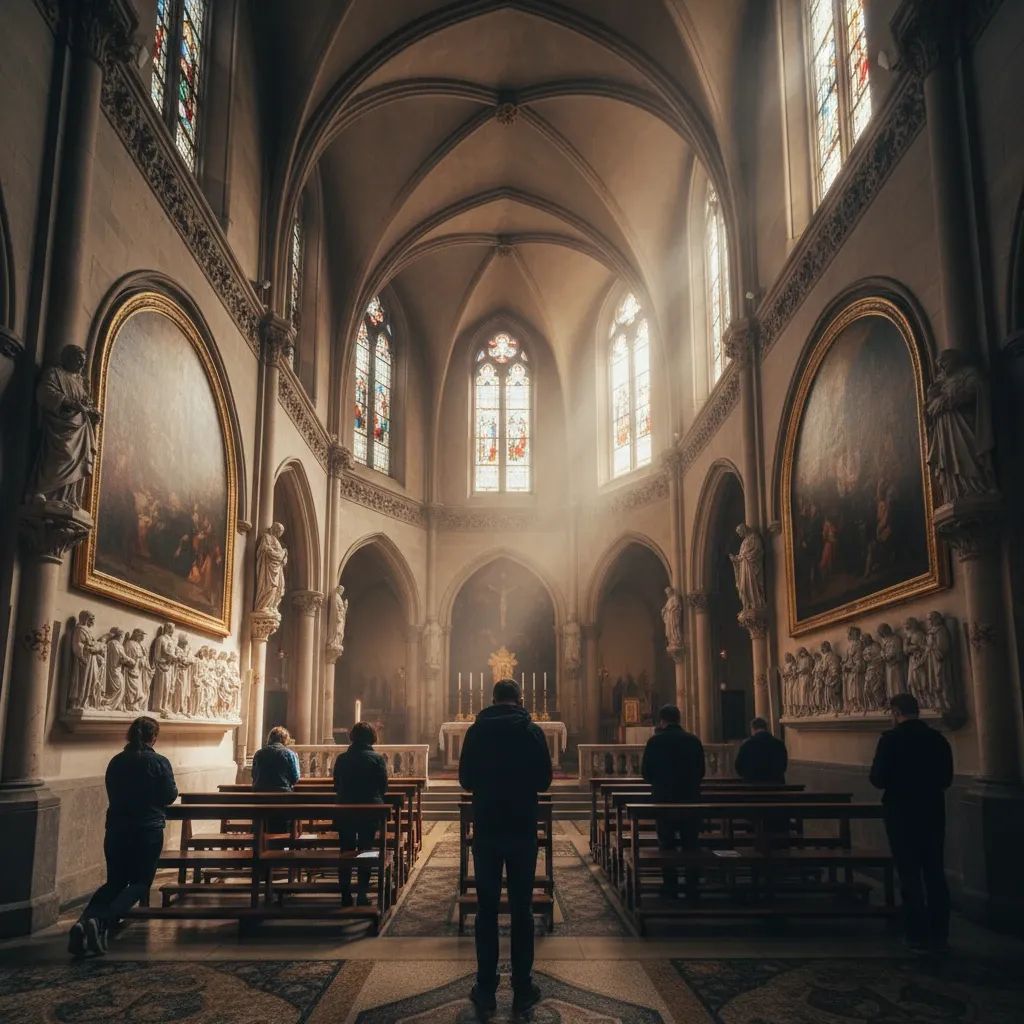
Walk into St John's Co-Cathedral and you're treading on the graves of 400 European aristocrats who ruled Malta for over 250 years. Each slab is a riot of colored inlaid marble—coats of arms, Latin epitaphs, skeletal figures clutching hourglasses—designed to broadcast the virtues, triumphs, and piety of the dead. Yet most visitors hurry past without realizing the floor is a visual code book, layering messages of mortality, military glory, and spiritual ambition.
The first lecture, scheduled for Thursday, May 14, 2026 at Casa Manresa (drinks at 6:00 pm, talk at 6:30 pm), will focus on deciphering that code. Munro plans to dissect how these Baroque masterpieces were commissioned, crafted, and later rearranged. The reorganization—carried out in the 1840s by Maltese artist Giuseppe Hyzler to create a symmetrical pattern—means the floor no longer reflects the chronological sequence of burials. Instead, it's an aesthetic reconstruction, one that tells us as much about British colonial tastes as it does about the Knights themselves.
Tombstone motifs range from the macabre to the playful. One slab in the main nave shows Death breaking a clock in half, a stark visual metaphor for the abrupt end of earthly time. Another, belonging to a French knight who died of arthritis at 79, depicts a woman with six toes—likely a craftsman's error, or possibly a knowing joke. A handful of slabs reportedly contain veiled references to "mistresses" and "sins of the flesh," though these details remain murky, adding an element of mystery to the solemnity of the burial ground.
What Memoria Meant to the Knights
The second lecture, set for Thursday, May 28, 2026 at the same venue, shifts from individual tombstones to the collective project they represent: the construction of memoria within the Order of St John. Drawing on his research, including his work Memoria as Mirror, Munro will explore how the Knights used the Co-Cathedral as a mirror—reflecting not just who they were, but who they aspired to be in the eyes of God, their peers, and posterity.
Memoria in this context isn't just memory; it's a deliberate, performative act of self-fashioning. The tombstones encode messages about status, piety, and military prowess, but they also reveal anxieties about mortality and legacy. Latin epitaphs describe the "virtues" of individual knights in grandiose terms—triumph, fame, victory—while recurring symbols like skeletons with sickles and hourglasses whisper the same message: you will die, too. One epitaph on the tomb of Fra François de Vion Thesancourt in the French Chapel goes further, instructing passersby: "Flecte lumina"—Bend down with your lighted candles and acknowledge your mortality.
This dual message—celebrating greatness while reminding viewers of their own finitude—was central to how the Knights understood themselves. They were warriors, aristocrats, and monks, bound by vows of chastity, poverty, and obedience (at least in theory). The Co-Cathedral, consecrated in 1577 as the Order's Conventual Church, became a spiritual and political hub, its opulent Baroque interior redecorated in the 17th century by artists like Mattia Preti to reflect the Order's wealth and power.
What This Means for Residents
For Maltese residents, the lecture series offers a rare chance to reclaim a tourist landmark as a site of local historical inquiry. St John's Co-Cathedral attracts thousands of visitors annually, but few engage with it as a cultural and political artifact rather than a Baroque showpiece. Understanding how the Knights constructed their identity through art and architecture sheds light on Malta's own historical trajectory—from a military outpost of a pan-European order to a British colony to an independent republic.
The reorganization of the tombstones during British rule is particularly revealing. By prioritizing symmetry over chronology, Hyzler's redesign imposed a neoclassical aesthetic logic onto a Baroque monument, subtly altering the narrative encoded in the floor. This act of colonial curation mirrors broader tensions in Maltese heritage: who gets to decide which stories are told, and how?
The lectures also contextualize Malta's place within a wider European artistic and cultural tradition. The knights buried here came from aristocratic families across Spain, France, Italy, and Germany, linking the island to networks of power, patronage, and faith that stretched from Rome to Vienna. Their tombs reflect artistic styles spanning the early 17th-century Mannerist period to High Baroque and even early 19th-century neo-classical elements, offering a compressed history of European art history underfoot.
The Practicalities
Both lectures will be held at Casa Manresa, with a drinks reception at 6:00 pm followed by the talk at 6:30 pm. Each session concludes with a guided tour of the Co-Cathedral, offering access to chapels, monuments, and details typically glossed over on standard visits. The chapels, each representing a different "language" (nationality) of the Order, contain ornate funerary monuments dedicated to Grand Masters like Gregorio Carafa, Martin de Redin, and Ramon Perellos y Roccaful.
Among the cathedral's most intriguing artifacts is the Reliquary of the Hand of St John the Baptist, commissioned in 1689, and the Cappella Ardente, a massive wooden structure designed for solemn requiems that could hold 230 candles and symbolized the sovereign status of the Order. Ground-penetrating radar studies have revealed that not all 400 tombstones correspond to actual burial sites beneath—some are empty or only partly occupied, raising further questions about the relationship between commemoration and reality.
A Legacy Etched in Marble
The lecture series is part of a broader push by Maltese heritage advocates to reframe cultural sites as living archives rather than static monuments. By focusing on the tombstones as interpretive puzzles—each one a compressed narrative of identity, status, and belief—the talks challenge visitors to slow down, look closer, and ask harder questions about what it means to be remembered.
For the Knights, memoria was both a spiritual discipline and a political tool. They built monuments to ensure their deeds would outlast their bodies, embedding messages in stone that would speak to generations of viewers. Whether those messages still resonate—or whether they've been scrambled by centuries of interpretation, reorganization, and tourism—is the question these lectures set out to answer.