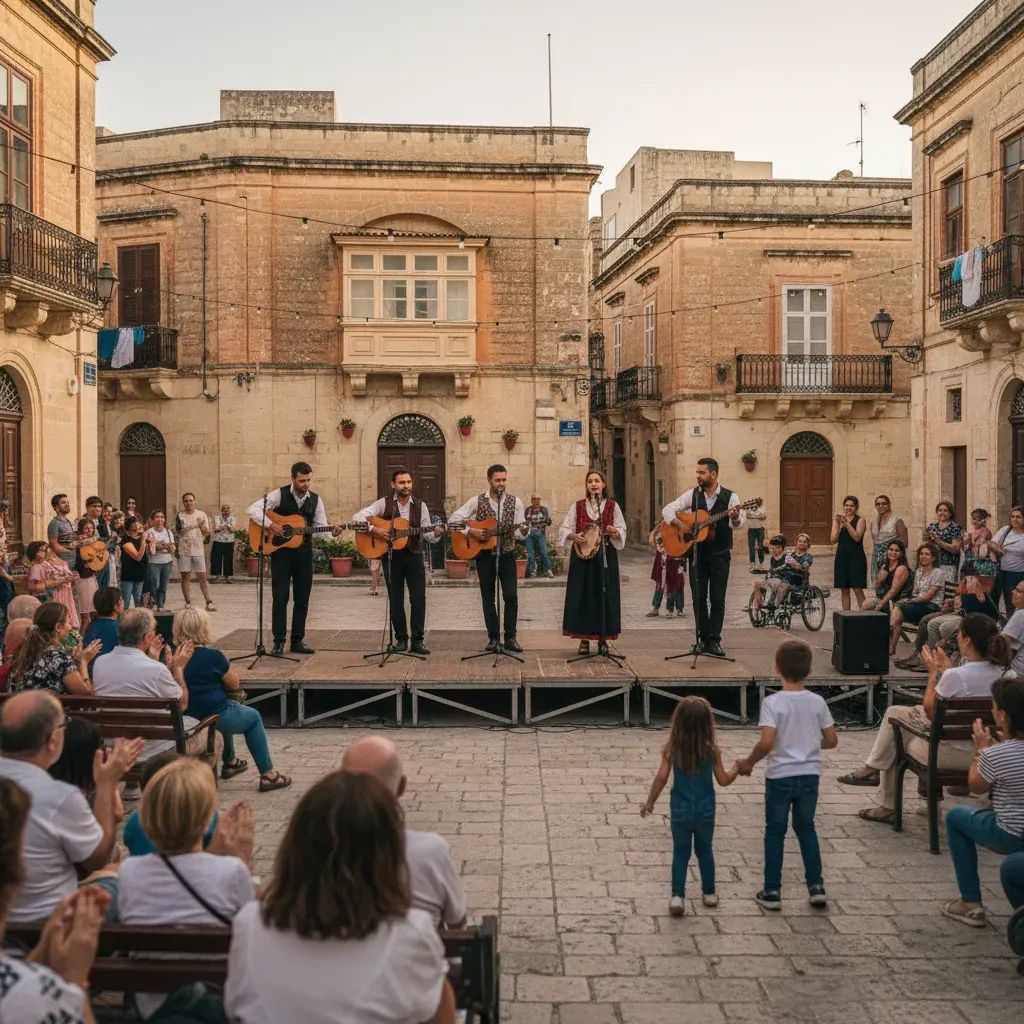
Festivals Malta will host Festgħana 2026 from May 21 to 24, celebrating the island's UNESCO-recognized għana folk singing tradition. The four-day event will take place at Argotti Gardens in Floriana and Ġnien l-Għannejja Żwieten in Żejtun. The festival brings together acclaimed local performers, emerging talent, and international folk artists to preserve one of Malta's most distinctive cultural traditions.
Why This Matters
• Cultural preservation in action: Festgħana directly supports the survival of għana, recognized by UNESCO in 2021 as vital to Maltese language and identity.
• Family-friendly heritage: Four days of free or low-cost performances, workshops, and traditional food experiences offer residents a chance to engage with living tradition.
• Showcasing new talent: The 'Għannejja Ġodda' program introduces the next generation of għana singers under the guidance of Alexander Vella Gregory, Karol and Jorge Aquilina of Nofsillejl.
A Tradition Rooted in Daily Life
Għana, the distinctive folk singing style that has been part of Maltese culture since at least the 16th century, represents a fusion of North African and European influences. Originally performed by peasants, fishermen, and working-class communities, the art form served as both entertainment and social commentary, with lyrics recounting village life, historical events, and local happenings in poetic, rhyming language.
UNESCO's 2021 inscription on its Representative List of the Intangible Cultural Heritage of Humanity underscored the tradition's role in transmitting the Maltese language. Historically, għana was performed informally by both men and women—women on rooftops or in communal washhouses, and youths in the countryside and streets. Before World War II, performances were accompanied by traditional instruments including the rabbaba (friction drum), żaqq (bagpipe), and tanbur. Post-war, the tradition evolved, with Spirtu Pront style gaining popularity, typically performed by men with Spanish-style guitars.
What to Expect at Festgħana 2026
At Argotti Gardens in Floriana, attendees can join the traditional 'Ġejjin bil-Banda' procession with Banda Vilhena on the opening day. The venue will also host a workshop on May 21 exploring how photography can document Malta's intangible cultural heritage.
At Ġnien l-Għannejja Żwieten in Żejtun, the festival will spotlight 'Għana Spirtu Pront', the most celebrated form of għana. This improvisational style features dueling singers engaging in rapid-fire, rhyming exchanges on themes of personal honor, social values, or politics. The festival concludes with a 'Festa Ftira' celebration, a communal gathering centered on traditional Maltese hospitality and food.
Honoring Legends and Nurturing New Voices
This year's lineup includes acclaimed performers Żeppi Spagnol and Nenu Borg. The festival will also pay special tribute to Manuel Casha and Ġanmarì Spiteri Amletu, legendary figures whose contributions shaped Maltese traditional music.
Equally significant is the commitment to emerging talent. The 'Għannejja Ġodda' program provides a crucial stage for the next generation of għana singers, ensuring the art form's survival by introducing younger voices and generating new audiences.
International Dialogue and Cultural Exchange
Festgħana 2026 will feature international performers, including acts from Serbia and the Baltic region, creating dialogue between local and global folk traditions. Beyond performances, the festival offers artisan demonstrations, workshops, and traditional food experiences, providing residents with deeper understanding of the cultural context that shaped għana.
Impact on Residents and Cultural Continuity
For Malta residents, Festgħana represents more than entertainment. The festival directly supports a tradition that serves as a cornerstone of Maltese identity and community cohesion. Għana sessions foster camaraderie through shared experiences and serve as platforms for informal social and political debate, keeping oral traditions alive across generations.
The festival's educational programming ensures younger generations engage with Maltese traditions and their practitioners. For families seeking authentic cultural experiences, Festgħana offers a rare opportunity to witness living tradition in venues steeped in local significance.
Practical Details
Event: Festgħana 2026Dates: May 21-24, 2026Venues: Argotti Gardens, Floriana and Ġnien l-Għannejja Żwieten, ŻejtunAccess: Free and low-cost performances and workshopsOrganizer: Festivals Malta
For specific performance schedules, workshop timings, and registration details, visit the Festivals Malta website closer to the event date.