Simar Site Reclamation
St Paul's Bay residents now have unexpected access to a newly rehabilitated coastal zone. A 4,000-square-metre parcel that served for years as an informal waste repository has been cleaned, secured, and opened to the public as a nature-adjacent recreation area. The Simar nature reserve sits immediately adjacent to this site, anchoring what may represent a template for how Malta tackles its persistent illegal dumping crisis.
Why This Matters
• Infrastructure prevents recurrence: Perimeter fencing, gate controls, and round-the-clock CCTV monitoring are now permanent fixtures—addressing the enforcement gaps that made this site vulnerable to dumping in the first place.
• Public access without lighting: The site is open for walking and birdwatching, but intentionally lacks artificial illumination to protect nesting birds and nocturnal wildlife that use the neighbouring reserve.
• Natura 2000 compliance: Every design decision, from permeable pathways to native plantings, was vetted against EU conservation rules—a requirement that shapes how sensitive coastal land can be used in Malta.
The Dumping Problem Malta Never Fixed
Illegal waste disposal remains endemic across Malta's countryside. Remote sites far from patrol routes become convenient endpoints for those unwilling to pay disposal fees or navigate the formal waste management system. The Simar location had become such a dumping ground precisely because it was tucked away near a protected wetland—visible to few, monitored by fewer still.
This particular site had deteriorated to the point where cleanup became a public health concern. Accumulated refuse, broken materials, and contaminated soil made the area unsafe for residents, while proximity to a Natura 2000 designated wetland raised environmental alarm bells. The government's decision to invest in remediation rather than simply sealing off access reflected both pressure from environmental advocates and practical recognition that abandoned sites invite further abuse.
What Restoration Actually Involved
The rehabilitation process prioritized ecosystem compatibility over standard park development. Native plant species suited to coastal wetland conditions were selected rather than generic ornamental vegetation. An irrigation system was installed but designed for minimal water use—a practical constraint in drought-prone Malta where water scarcity directly affects municipal budgets and residential restrictions.
Pathways and ramps were engineered with permeable surfaces, allowing rainwater to percolate rather than pooling or running off. This detail matters more than typical construction projects because the site sits adjacent to sensitive aquifer recharge zones. Conventional impermeable paving would have altered water infiltration patterns and potentially disrupted the reserve's hydroecology.
Furniture—picnic tables, benches, waste bins—was fabricated entirely from recycled materials. This choice reflects both environmental principle and long-term cost considerations. Recycled plastic furniture requires less maintenance than untreated wood in Malta's corrosive salt-air environment, potentially reducing ongoing operating costs.
The Deliberate Absence of Lighting
One decision stands out for what it refused: the site has no artificial lighting despite being open to the public. This was not an oversight but a calculated choice rooted in Natura 2000 conservation guidelines, which restrict light pollution in zones where protected species are active.
For residents accustomed to well-lit public spaces, this feels like an odd trade-off. Evening visits are impossible, and safety after dusk is nonexistent. Yet the ecological reasoning is sound. Nocturnal birds use the Simar reserve for feeding and migration preparation. Artificial light disrupts their natural circadian patterns, degrading habitat quality even for a protected area. Light-sensitive invertebrates—crucial to the food web supporting migratory species—are similarly affected.
The government opted to prioritize conservation over convenience. Whether residents accept this constraint remains unresolved, though environmental groups like BirdLife Malta view it as evidence the project was designed with genuine ecological intent rather than treating conservation as a bureaucratic checkbox.
Security and the Dumping Deterrent
Physical barriers alone do not prevent illegal dumping. The site is now surrounded by reinforced fencing and controlled-access gates, but determined dumpers can still cut through or scale barriers if enforcement response is slow. The real innovation lies in the CCTV monitoring system, which provides continuous surveillance and records evidence for prosecution.
This is the critical test. Enforcement effectiveness depends on how quickly authorities respond to detected dumping activity, how aggressively they pursue cases through courts, and whether penalties are severe enough to deter repetition. Malta's justice system is notoriously backlogged, and many illegal dumpers have calculated that the probability of conviction is low enough to justify the risk. A rehabilitated site means nothing if it reverts to its former state within months.
The integration of Project Green representatives, local council officials, and environmental NGOs at the site's inauguration signals multi-stakeholder buy-in, but successful sites need more than ceremonial presence. They require dedicated maintenance budgets, regular maintenance schedules, and responsive law enforcement.
What This Opens for St Paul's Bay and Beyond
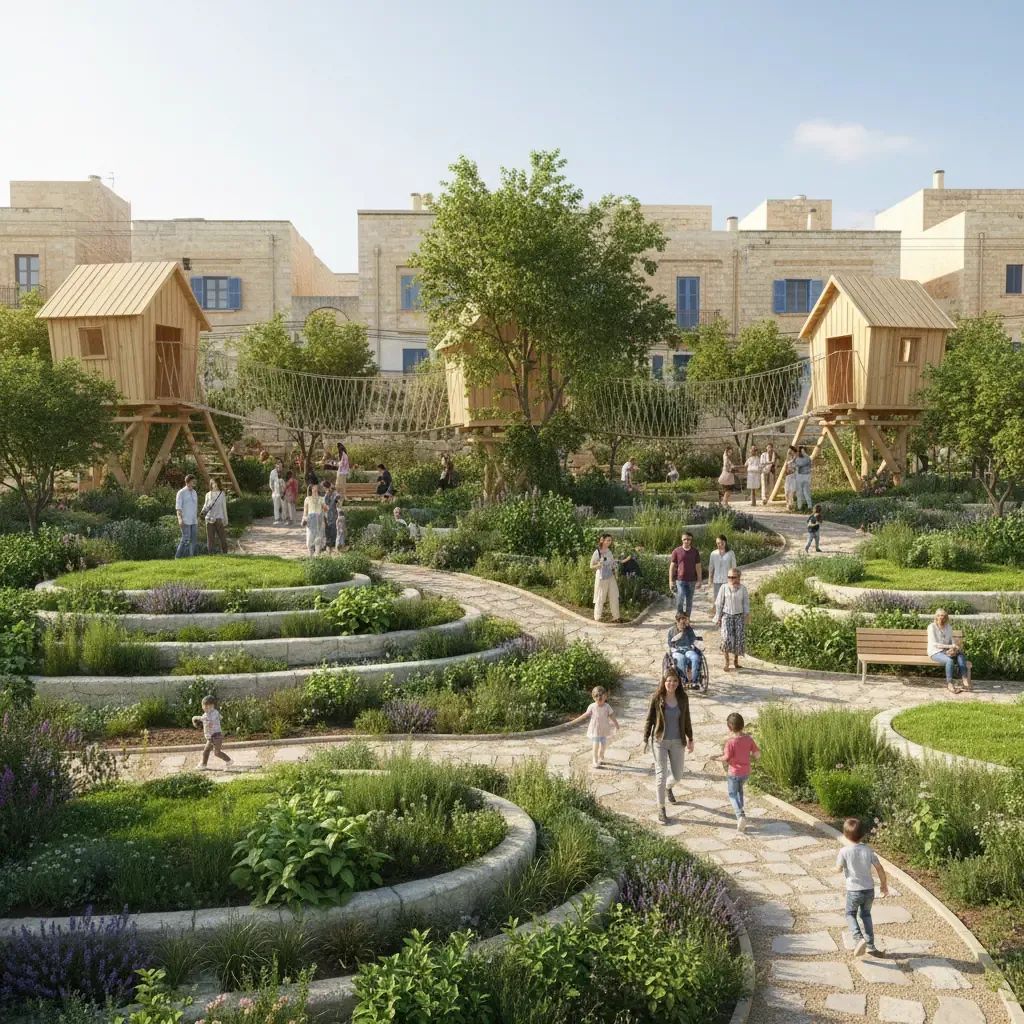
The Simar site adds genuine public green space to an island where access to nature is increasingly compressed. Malta ranks among Europe's lowest in park-to-population ratio, forcing residents to seek recreation in crowded public beaches or make expensive trips to private facilities. A naturalistic walking area with native vegetation offers a different experience—quieter, less commercialized, connected to educational value through proximity to a protected wetland.
For birdwatchers, the site functions as a buffer zone and observation point for the Simar reserve itself. Migratory species using the wetland can be observed from the adjacent recreational area without the disturbance that would occur if visitors entered the reserve directly. This separation—public access on one side, strict protection on the other—is a disciplined approach to balancing competing demands.
Families with children gain a low-cost, car-free recreation option in a region where most leisure activities involve either beach crowding or motorized transport. The permeable pathways and accessible ramps mean elderly residents and those with mobility limitations can participate.
The Replicability Question
Can this model scale to other degraded sites? The Simar project had several advantages. EU funding was available. The site's proximity to a protected area created regulatory incentive for thoughtful restoration. BirdLife Malta and other environmental organizations could monitor outcomes and maintain public accountability.
Many illegal dumping sites lack these conditions. They sit on private land, lack clear ownership, or exist in zones with weaker environmental designation. Replicating the Simar approach would require sustained investment, and Malta's budget for environmental remediation is finite. Competing demands—coastal erosion management, air quality improvements, waste infrastructure upgrades—all compete for the same funding pools.
The site itself will reveal whether this template actually works. Long-term success requires monitoring whether foot traffic damages soil structure or introduces invasive species, whether maintenance budgets hold steady beyond the opening publicity cycle, and whether enforcement actually prevents renewed dumping. The next three to five years will determine whether the Simar restoration is a genuine turning point or a well-intentioned but ultimately isolated intervention.
For now, St Paul's Bay has gained a functioning public space where there was none, and the government has demonstrated that some sites can be rehabilitated even when EU conservation rules apply. Whether that's enough to address Malta's broader dumping crisis is a separate question entirely.